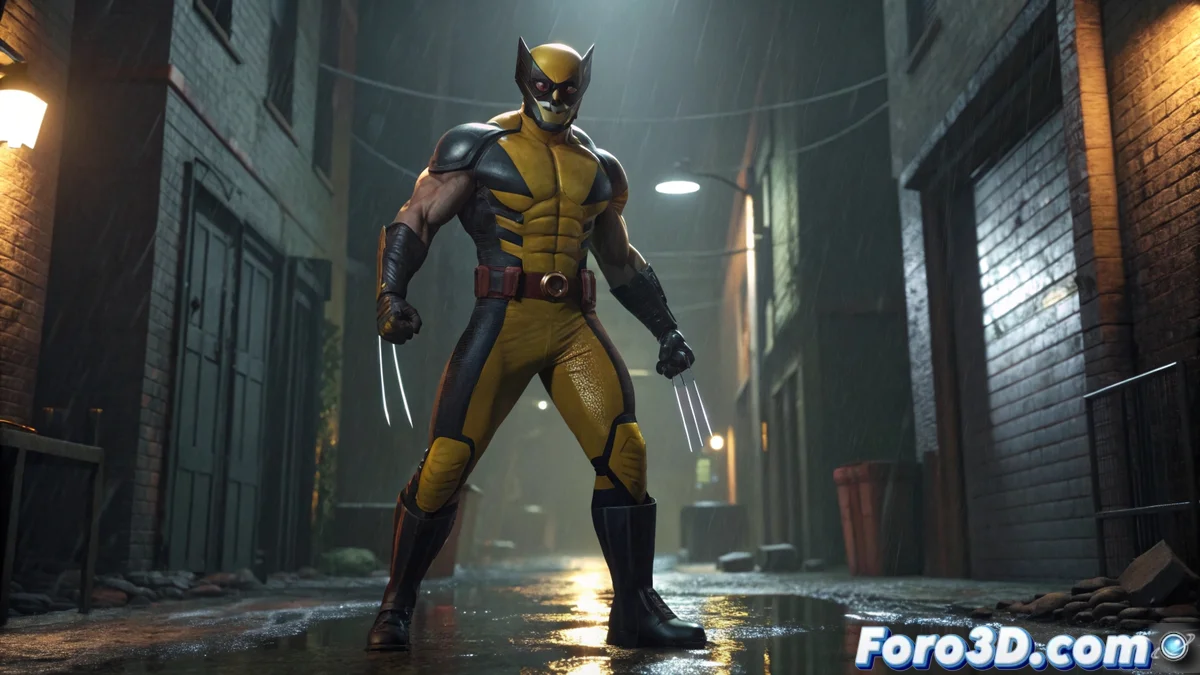
Insomniac's Engine Powers Marvel's Wolverine with Visceral Realism
Insomniac Games is advancing the development of Marvel's Wolverine using a powerful evolution of its in-house engine, the same one they perfected for Marvel's Spider-Man 2. This technology is built to process graphics that seek a direct and unfiltered visual impact, taking fidelity to a new level. 🎮
The Technical Foundation of an Indestructible Hero
The studio focuses the full capacity of its engine on two fundamental pillars to represent Logan: simulating the damage he accumulates and visualizing how his body heals. It's not just about showing wounds, but integrating these processes organically into the gameplay and visual narrative. The system ensures fluid animations and character modeling with extreme detail, from skin texture to the movement of every muscle.
Key Features of the Evolved Engine:- Ray Tracing Rendering: Implements ray tracing to generate realistic reflections on surfaces like wet metal or glass, adding depth and authenticity to every scene.
- Efficient World Streaming: Reduces loading times to almost imperceptible levels, allowing seamless transitions between extensive spaces and maintaining uninterrupted action.
- Advanced Animation Pipeline: Connects character movements naturally, creating a coherent visual bridge between actions like running, jumping, and attacking with claws.
The real challenge isn't programming the claws, but animating how the blood is cleaned from them between combats.
Graphical Priority: Realism in Service of the Experience
The visual section is based on using technical power to create an intense and immersive sensation. Wolverine's model features hyperrealism that shows every hair, scar, and muscle fiber with precision. This meticulous detail supports the core mechanic, where the player perceives how the hero's body gets marked, cut, and regenerates in real time during combat. 💥
The Dynamic Damage and Regeneration System:- Persistent Impact Registration: The engine calculates and applies every hit or cut to the character model. Wounds appear progressively and remain visible for a determined period.
- Healing Simulation: After damage, the system activates a gradual visualization where tissues close and scars disappear, reflecting Logan's mutant power.
- Synchronization with Gameplay: This process is not just a visual effect; the engine links it to the character's health state, affecting the player's perception of their vulnerability and recovery.
An Engine Designed for a Unique Character
The evolution of Insomniac's engine demonstrates a clear approach: adapt the technology to serve the essence of the character. Beyond achieving impressive graphics, its goal is for the player to feel Wolverine's resilience and violent nature through immediate and raw visual feedback. The combination of ray tracing, load-free streaming, and a dynamic damage system positions this development as a technical benchmark for future action and narrative titles. 🔧