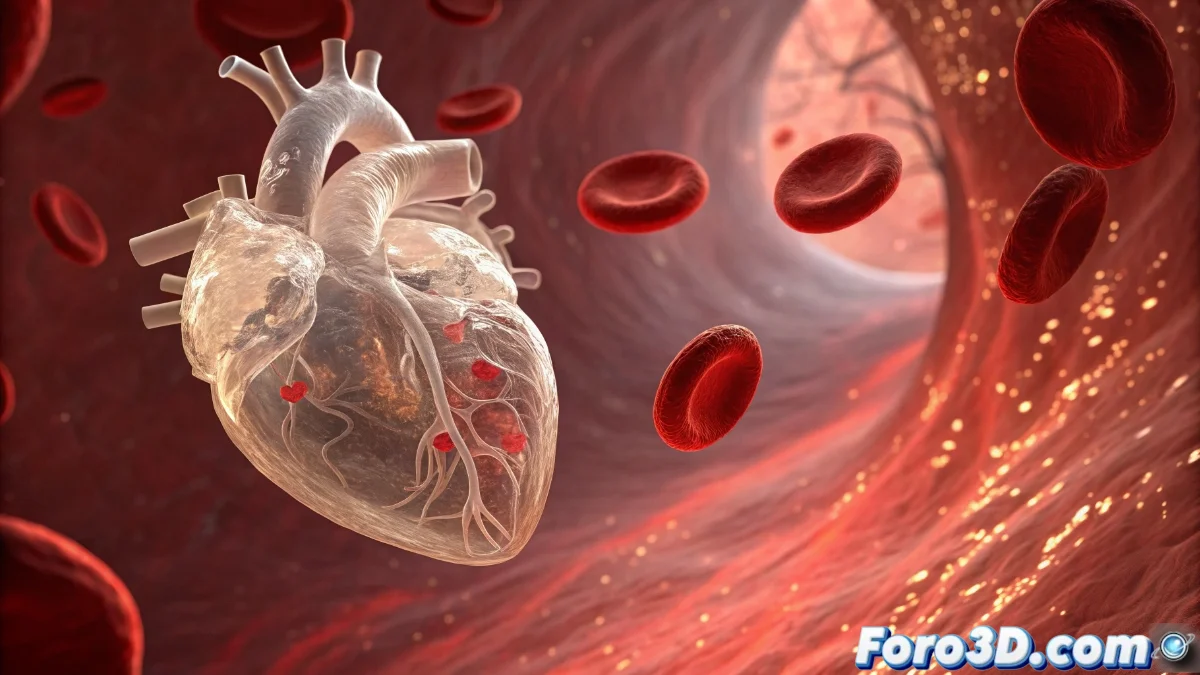
Innovation in Frictionless Artificial Hearts
The technological revolution in artificial cardiac devices is reaching extraordinary milestones through advanced hydrodynamic systems that virtually eliminate any type of internal friction. These developments incorporate state-of-the-art biocompatible materials that replicate the properties of natural human tissue 🫀.
Magnetic Levitation Mechanisms in Cardiac Devices
Contemporary biomedical engineering has implemented passive magnetic suspension systems that keep internal components floating within the bloodstream without direct physical contact. This innovative technology generates perfectly controlled laminar flow patterns that prevent turbulence and stagnation zones where clots traditionally form.
Key Advances in Biocompatibility:- Specialized coatings that mimic the smoothness of natural vascular endothelium
- Composite materials with surface nanostructures that repel adhesive proteins
- Magnetically levitated rotors that operate without mechanical contact
The combination of magnetic suspension and hydrodynamic surfaces allows blood to circulate with a fluidity comparable to a healthy biological heart
Clinical Benefits and Reduction of Complications
Clinical trials demonstrate that these frictionless devices significantly reduce the need for aggressive anticoagulants, lowering the risk of hemorrhages for patients. Specialists observe lower rates of thromboembolic complications and extended device durability that enables its implementation as a permanent solution.
Documented Therapeutic Advantages:- Drastic reduction of mechanical wear and prevention of clot formation
- Lower platelet activation and reduction of thrombosis and hemolysis risks
- Preservation of blood cellular integrity during years of operation
Future of Artificial Cardiac Technology
Current research focuses on optimizing energy consumption and developing intelligent self-monitoring systems that detect minimal alterations in blood flow. The near horizon includes integration with regenerated cardiac tissue and wireless power systems that completely eliminate percutaneous cables, marking a before and after in the treatment of terminal heart failure 💓.