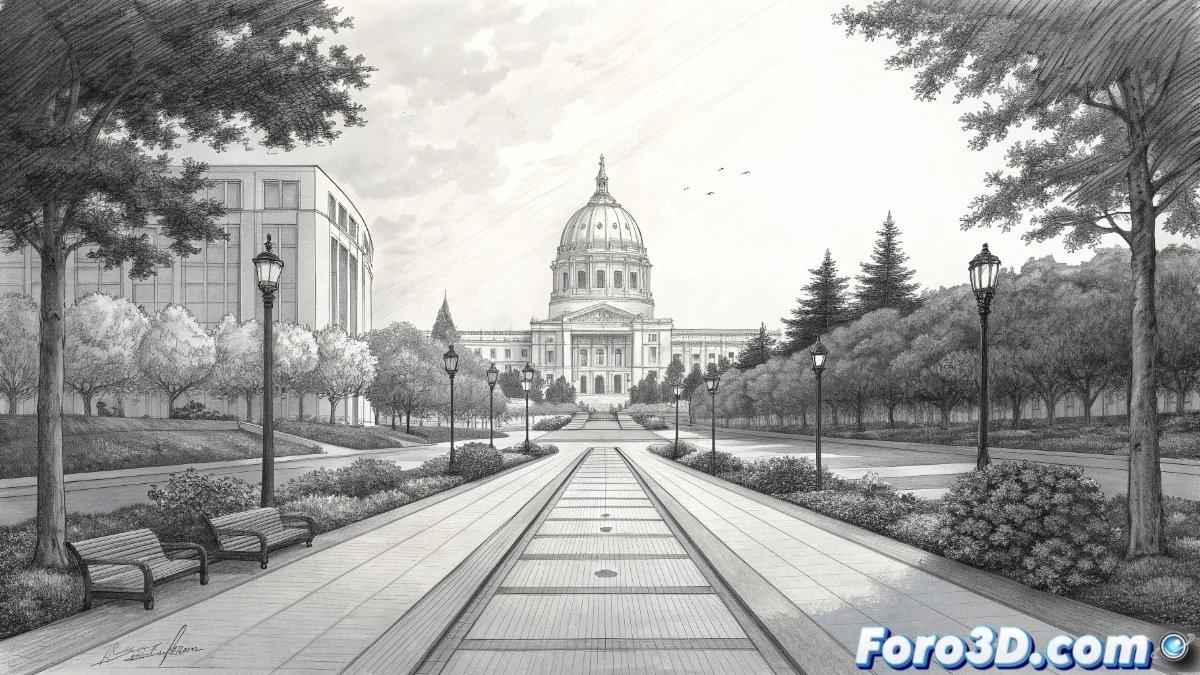
Mastering Guide Lines in Artistic Composition
The guide lines technique represents one of the fundamental pillars in visual composition, functioning as invisible paths that lead the viewer's attention directly to the focal point of your artistic creation. 🎨
The Invisible Power of Leading Lines
These directional elements can manifest in various forms within your scene, from winding paths and watercourses to architectural structures and plays of light and shadow. The magic happens when these guides intertwine to form a coherent visual narrative that takes the observer on a controlled journey through your work.
Most Effective Types of Guide Lines:- Natural lines: Rivers, tree branches, rock formations, and other organic elements that create visual flow
- Artificial lines: Streets, buildings, railings, and urban structures that establish perspective
- Implied lines: Character gazes, shadow directions, and subtle alignments between elements
The most powerful guide lines are those that the viewer follows unconsciously, without perceiving them as forced elements in the composition.
Developing Your Compositional Eye
To master this technique, it is crucial to train your visual perception to identify linear patterns in your everyday surroundings. Observe how in urban landscapes building facades and sidewalks create converging perspectives, while in natural environments tree trunks and watercourses establish natural visual paths.
Practical Observation Exercises:- Analyze photographs identifying how your eyes move through the image
- Make quick sketches marking only the main directional lines
- Experiment with different viewing angles to discover new guide lines
Technical Implementation in Your Creative Process
When starting your compositional drawing, begin by lightly tracing the master lines that will define the visual path. Play with the diversity of strokes - straight lines convey order and precision, while curves suggest movement and organic fluidity. The art lies in integrating these guides naturally within the scene's elements, creating a harmonious visual experience where even the most distracted viewer (or even your cat!) will intuitively follow the path you have designed toward that focal point that took you so much effort to define. ✨