When Geopolitics Meets Polygons
The growing tensions in the Middle East are generating waves of impact that directly affect an industry that seems seemingly disconnected, such as the video game industry. What happens thousands of kilometers away from development studios and hardware factories has tangible consequences on component availability, production costs, and stability of crucial markets for the global gaming ecosystem. This global interconnection means that a regional conflict can disrupt launch timelines, pricing strategies, and even the financial viability of ambitious projects.
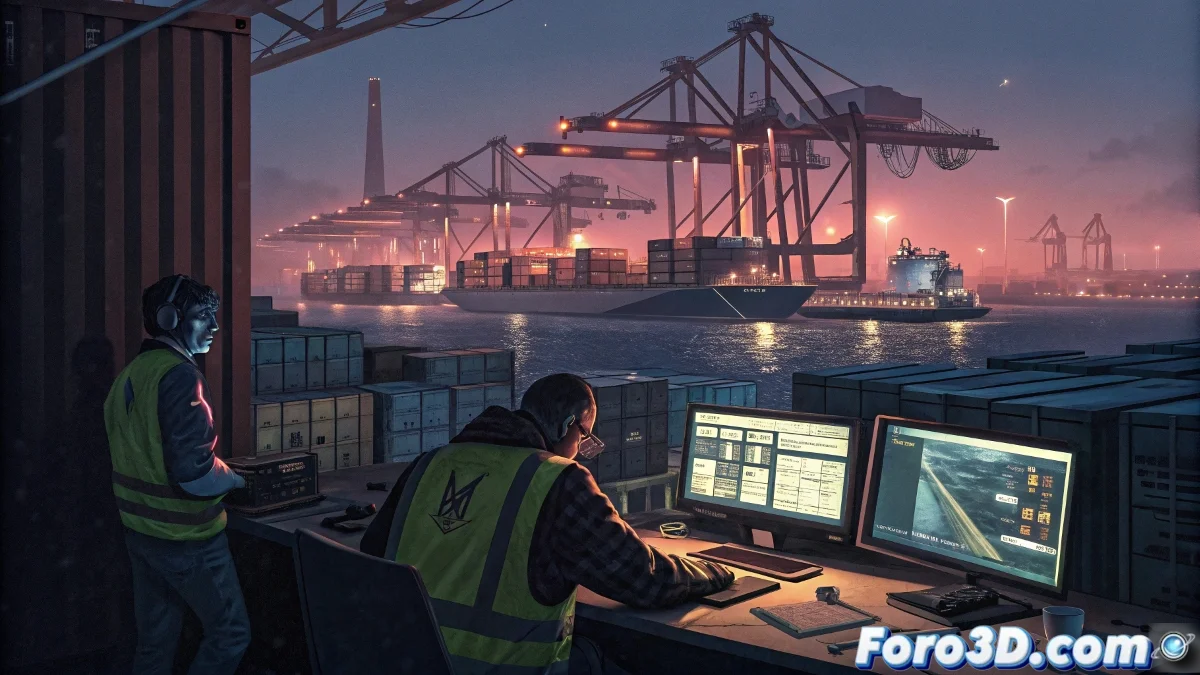
What makes the industry particularly vulnerable is its dependence on extraordinarily complex and globalized supply chains. Critical components like semiconductors, memories, and screens travel through multiple countries before being assembled into consoles and GPUs, creating potential failure points at every link in this international chain. Geopolitical tensions can not only disrupt direct production but also affect transportation routes, maritime insurance costs, and currency stability - all factors that eventually translate into higher prices for consumers and greater operational challenges for developers.
Direct Effects on Hardware and Components
- Disruptions in the supply of semiconductors and electronic components
- Increase in transportation and insurance costs for international shipments
- Volatility in prices of raw materials such as precious metals and plastics
- Delays in new hardware launches due to manufacturing issues
The Silent Impact on Game Development
Beyond the evident hardware, geopolitical tensions deeply affect the creative side of the industry. Studios with globally distributed teams face coordination challenges when members in different regions experience economic or political instability. Investment decisions in new projects become more conservative when global uncertainty increases, potentially limiting the risk-taking that drives innovation in the medium. Even launch planning is affected, as dates must consider not only direct competition but also the overall economic climate that will determine the purchasing power of potential buyers.
In the global era, no video game studio is an island - we are all connected by fiber optic cables and supply chains
The financial aspect represents another significant vulnerability for the industry. Many studios depend on venture capital investment or corporate financing that can become more conservative during periods of geopolitical instability. Publicly traded companies see their valuations fluctuate with market sentiment, affecting their ability to raise capital for future projects. And independent developers, always operating on thin margins, may find that crowdfunding platforms like Kickstarter experience reduced backing during uncertain economic times.
Consequences for the Gaming Community
- Increase in final prices of games and hardware for consumers
- Longer waiting times for physical products and components
- Possible reduction in availability of special and collector's editions
- Changes in regional pricing and availability strategies
For the foro3D.com community, these developments mean that staying informed about geopolitics is no longer an abstract interest, but a practical necessity to understand the landscape in which we operate as creators and consumers. The next time a hardware delay or price increase frustrates us, it's worth considering that the causes may be more related to meetings in diplomatic halls than to decisions in corporate boardrooms. In an industry as globally interconnected as the video game industry, understanding these dynamics helps us not only to be more informed consumers, but also more resilient and adaptable creators. 🎮
And so, between geopolitical conflicts and driver updates, we discover that the video game industry is like that NPC we always thought was just decoration until a side quest reveals it was connected to the main plot all along - only in this case, the quest affects whether we can afford that new GPU we've been wanting so badly. 💸