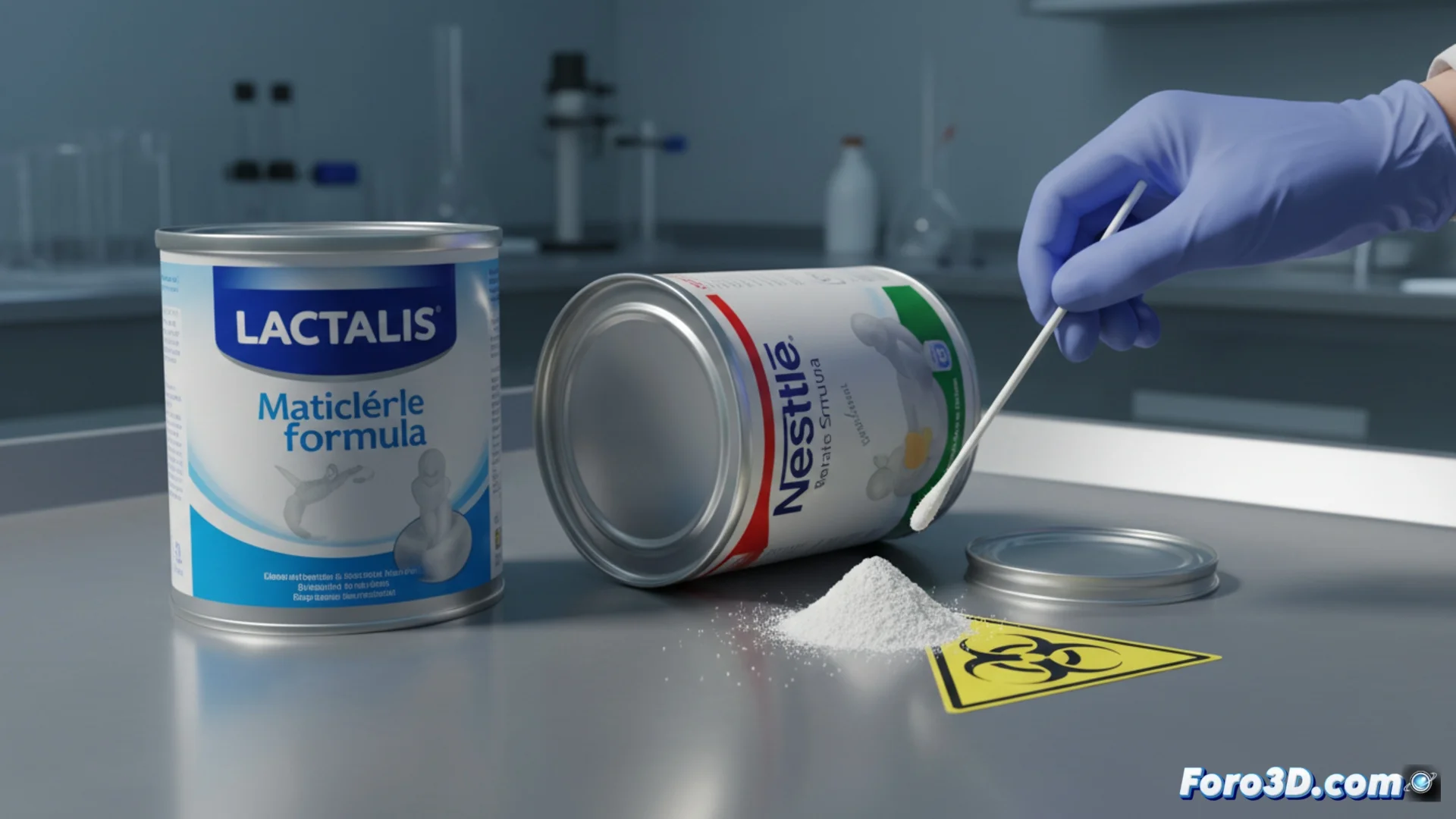
Infant Formula Recall Due to Bacterial Toxin Contamination
Health agencies in Europe have issued an order to recall from the market several batches of baby formula from Lactalis and Nestlé companies. The reason is the detection of staphylococcal enterotoxin type D, a toxic substance produced by bacteria that can cause severe gastrointestinal problems in infants. The investigation began after analyzing samples in production plants in France and Spain, and now extends to other countries on the continent. 🚨
Brands Activate Emergency Procedures
Both Lactalis and Nestlé confirmed that they have immediately activated their safety protocols. The companies proceeded with a preventive recall of the affected products, informed all distributors, and set up consultation lines so consumers can check the affected batch numbers. They state that their absolute priority is to protect babies' health and that they are working hand in hand with regulators to resolve the situation. Preliminary data indicate that the distribution of the contaminated batches is mainly limited to Europe.
Concrete Actions by the Companies:- Preventively recall all batches identified as potentially affected.
- Notify the distribution network and points of sale to stop commercialization.
- Offer direct channels for parents to check if their product is involved.
Collaboration with authorities is key to tracking the origin of this contamination and restoring trust.
Impact on User Perception
This event generates a logical concern among families and pediatric professionals, who rely on these products to nourish infants. The infant food industry has faced similar crises in the past, which may lead to renewed questioning of quality controls. Health authorities urge calm and recommend meticulously checking batch numbers before using any formula. The sector must now demonstrate that it can guarantee safety consistently and transparently.
Immediate Consequences of the Alert:- Uncertainty and alarm among parents using these products.
- Critical review of manufacturing protocols by the companies.
- Increased scrutiny by EU regulatory agencies.
A Reminder for the Industry
In a context where feeding a baby is already a challenge, this incident serves as a stark reminder that safety standards cannot falter for a moment. The ability to respond quickly and transparently will be fundamental for the brands to regain lost credibility. Continuous vigilance and process improvements are the only way to prevent such events from recurring. 🔍