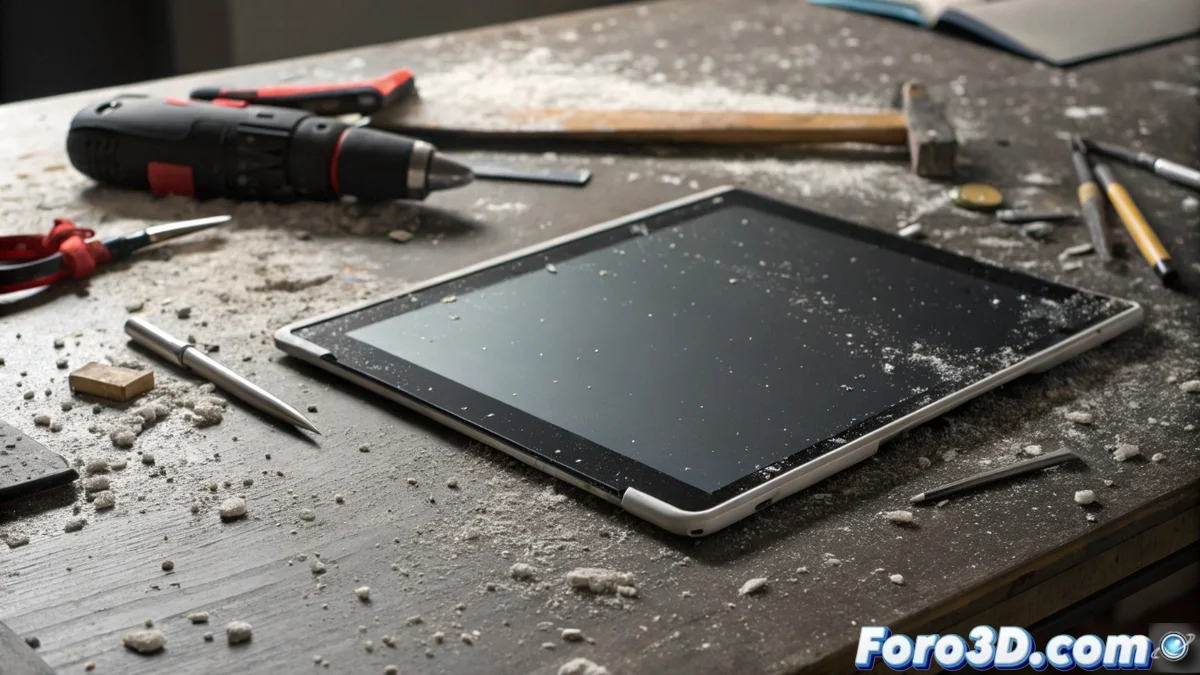
Industrial Adhesives in Technological Devices and Their Impact on Repairability
The current technology industry faces a fundamental contradiction between innovation and sustainability. Leading brands like Microsoft Surface and iPad use high-strength industrial adhesives that turn simple maintenance into complex operations 🛠️.
The Repairability Problem in Modern Devices
These permanent adhesives create nearly indestructible seals that prevent the replacement of essential components like batteries or storage units. Users discover that attempting basic repairs frequently results in irreversible damage to other parts of the device, forcing expensive options or complete equipment replacement 📱.
Immediate Consequences for Consumers:- Significant increase in maintenance and repair costs
- Exclusive dependence on authorized technical services
- Drastic reduction in the lifespan of technological hardware
"Industrial adhesives represent a physical and economic barrier to independent repair, limiting consumers' basic rights" - iFixit
Environmental and Social Impact of Irreparable Designs
This manufacturing practice generates an accelerated consumption cycle where functional devices are discarded prematurely. Planned obsolescence through permanent assembly methods directly contradicts the sustainability campaigns that the same companies publicly promote 🌍.
Critical Environmental Problems:- Exponential increase in polluting electronic waste
- Waste of natural resources and valuable materials
- Expanded carbon footprint due to constant manufacturing
Alternatives and Market Resistance
The global right to repair movement is gaining momentum by pushing for legislation that mandates more accessible designs. Some companies are exploring modular configurations and standard screws, although they represent a minority against the conventional industry. Corporate resistance manifests through arguments of safety and aesthetics, although consumer organizations demonstrate that balanced solutions exist ⚖️.
The Future of Technological Repairability
It is paradoxical that in an era of unprecedented technological advances, seemingly simple devices require specialized interventions for basic maintenance. Battery replacement, which should be a routine operation, becomes a high-risk mission that demands specialized tools and surgical precision. The path to true sustainability requires manufacturers to prioritize longevity over planned obsolescence 🔄.