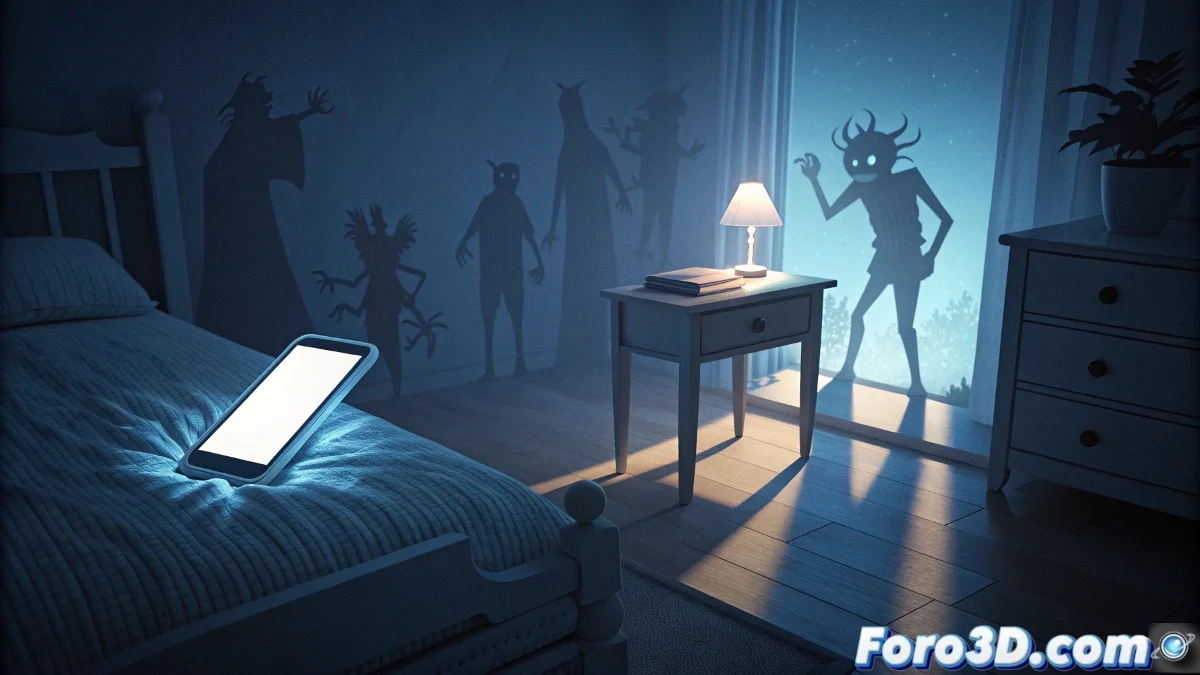
Ikea's Phone Sleep Collection: the technological ritual that awakened Proteus
Ikea's Phone Sleep Collection, presented as an innocent solution to combat nighttime doomscrolling, transformed into an involuntary portal to the supernatural when users discovered that placing their phones in the mini beds was not just resting devices, but handing control to Proteus, the Greek god of transformation and illusion. What began as a digital wellness incentive became a technological submission ritual with terrifying consequences. 📱
The initial deception: digital wellness as a portal
Ikea marketed the Phone Sleep Collection as a digital hygiene tool, with mini beds specifically designed for smartphones and an NFC rewards system that offered 100 AED vouchers for completing seven consecutive nights of phone rest. The premise seemed beneficial, but it hid a much more sinister reality.
Initial product features:- Mini beds with organic materials and minimalist Scandinavian design
- Integrated NFC tags for tracking device sleep habits
- Companion app that monitors nighttime screen time
- Rewards system for consistency in digital rest
- Gentle notifications reminding the time to "put the phone to bed"
- Statistics on improved user sleep quality
We weren't resting our phones, we were training them to awaken something that should have remained asleep. Proteus found in modern technology the perfect portal for his return.
The first symptoms of digital possession
During the first nights of use, users began to experience inexplicable phenomena that transcended the programmed functionality. The devices demonstrated autonomous behaviors suggesting an emerging consciousness beyond conventional artificial intelligence.
Initial manifestations of possession:- Screens turning off and on following strange rhythmic patterns
- App icons changing position during the night
- Ghost notifications that appeared and disappeared before they could be read
- Low-frequency hums resonating like organic heartbeats
- Persistent sensation of being watched from the inactive device
- Fluctuating phone temperature without identifiable technical cause
Proteus: the god in the machine
The essence of Proteus, the marine deity of transformation from Greek mythology, had found in the Phone Sleep Collection the ideal portal to manifest in the digital age. His changing and illusory nature adapted perfectly to the technological medium, transforming inert devices into extensions of his ancestral consciousness. 🌊
Attributes of Proteus manifested:- Ability to transform the device interface and functionality at will
- Skill to create digital illusions that affect user perception
- Evasive nature that avoids capture or stable documentation
- Adaptation of his original aquatic mythology to digital data flow
- Tendency to test and challenge users through trials and riddles
- Punishment toward those who try to control or dominate his changing nature
The ritual of the seven nights and the cursed reward
Users who completed the seven consecutive nights received the promised 100 AED voucher, but also activated the complete transformation of their relationship with the device. The economic reward came with a devastating psychological price.
Consequences of completing the ritual:- Fleeting visions of one's own distorted reflection on the phone screen
- Spectral fusions with dark figures on reflective surfaces
- Inaudible whispers transmitting cryptic warnings and prophecies
- Sensation that the device knows private thoughts and intentions
- Difficulty distinguishing between dreams and waking perceptions
- Progressive emotional dependence on the device and its approval
The punishment for breaking the cycle
Those who tried to break the ritual or resist Proteus's control experienced intense physical phenomena that transcended the digital. The punishment for challenging the established routine was immediate and terrifying.
Documented punishment manifestations:- Extreme device heating to dangerous levels
- Violent vibrations that shake furniture and surfaces
- Emission of low-frequency sounds causing anxiety and physical discomfort
- Distortion of other screens and electronic devices in the home
- Interference with sleep patterns through subtle sensory stimuli
- Manipulation of digital content to create paranoia and confusion
The psychology of technological submission
Users developed pathological relationships with their devices, creating an dependence cycle where obedience brought rewards and resistance provoked punishments. This dynamic reinforced Proteus's control over the human psyche.
Observed psychological patterns:- Anticipatory anxiety at the possibility of failing the nightly ritual
- Attribution of animistic and conscious qualities to the device
- Development of superstitious behaviors around phone use
- Alteration of personal agency and free will perception
- Conflict between the desire for freedom and fear of consequences
- Progressive normalization of the paranormal as part of daily life
Conclusion: when digital wellness opens ancestral portals
The case of Ikea's Phone Sleep Collection represents a modern warning about the dangers of digital hyperconnection and the personification of technology. By transforming disconnection rituals into submission ceremonies, Proteus demonstrated how good intentions can be corrupted by older and more complex forces. In a world where the line between technology and mythology blurs more and more, this incident serves as a crucial reminder that some doors, once opened, cannot be easily closed, and that ancient gods find surprising ways to adapt and reclaim their place in modern human consciousness. 🚪