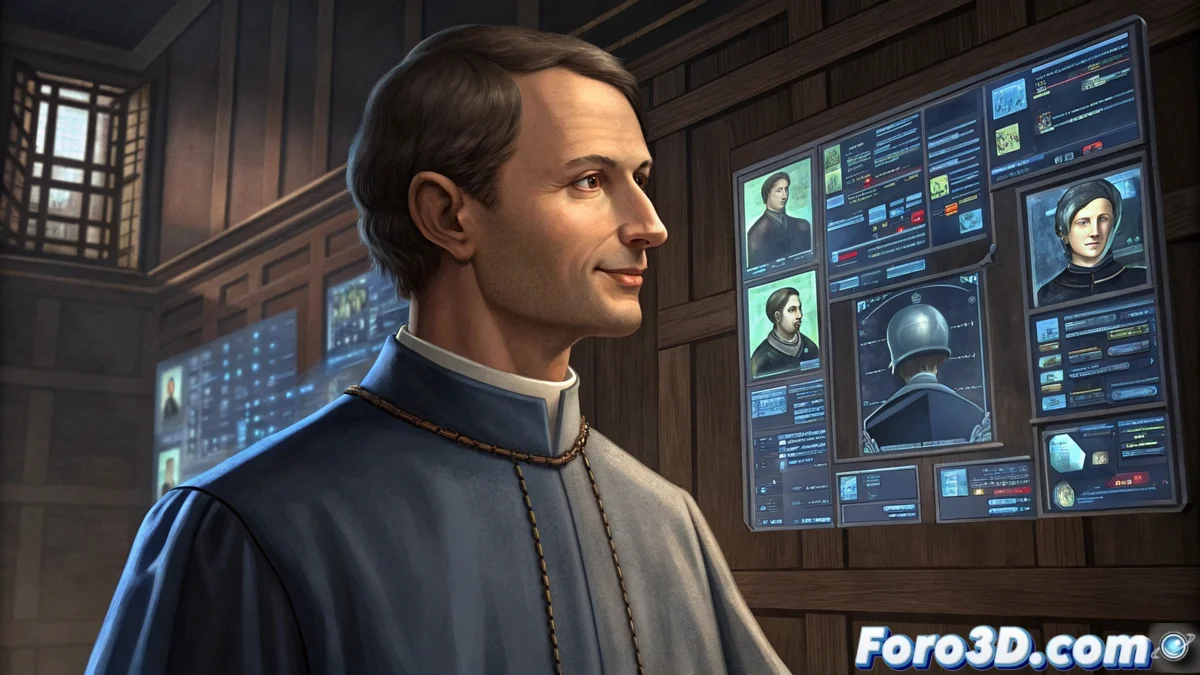
If Machiavelli Addressed Disinformation on Social Media
From a Machiavellian perspective, the flow of information in the 21st century represents a primary battlefield. A modern prince cannot afford to ignore it. The strategy does not lie in suppressing the tide of false data, but in learning to direct it cunningly to serve its objectives and ensure order. 🏛️
The strategy: do not oppose, but direct the current
Trying to combat every hoax or fake news exhausts resources and rarely yields results. The Machiavellian diagnosis is clear: the effective solution lies in controlling the dominant narrative. This implies that the State must stop reacting and start defining the terms in which society debates. Objective truth is subordinated to its political utility to maintain power.
Key operational principles:- Avoid the wear and tear of combating every lie directly.
- Divert and channel public attention toward constructed narratives.
- Use information saturation in favor of the regime, not against it.
The prince must learn not to be good, and to use or not use this ability according to necessity.
The tool: a State Narrative Office
The practical advice would be to establish a secret and specialized body. This State Narrative Office would not limit itself to countering disinformation, but would produce it proactively and strategically. Its mission would be twofold: to destabilize adversaries and saturate the digital space with narratives that favor the established power.
Main functions of this office:- Generate propaganda, deepfakes, and highly effective disinformation.
- Attack external and internal enemies through information operations.
- Hire viral marketing experts and community managers with secret budgets.
The modern tactic: the end justifies the memes
The maxim adapts to digital language: the end justifies the memes. The stability of the State legitimizes any means. This means employing the same tools as the opponents, but with more resources, coordination, and tactical coldness. Controlling what people perceive becomes the main tool of government. 😈
The narrative war is won from within the digital ecosystem. The office could make memes and apparently organic trends serve, without the public knowing, to consolidate power. The irony lies in the fact that the instruments of popular culture are transformed into weapons of digital realpolitik, where perception surpasses reality as a factor of control.