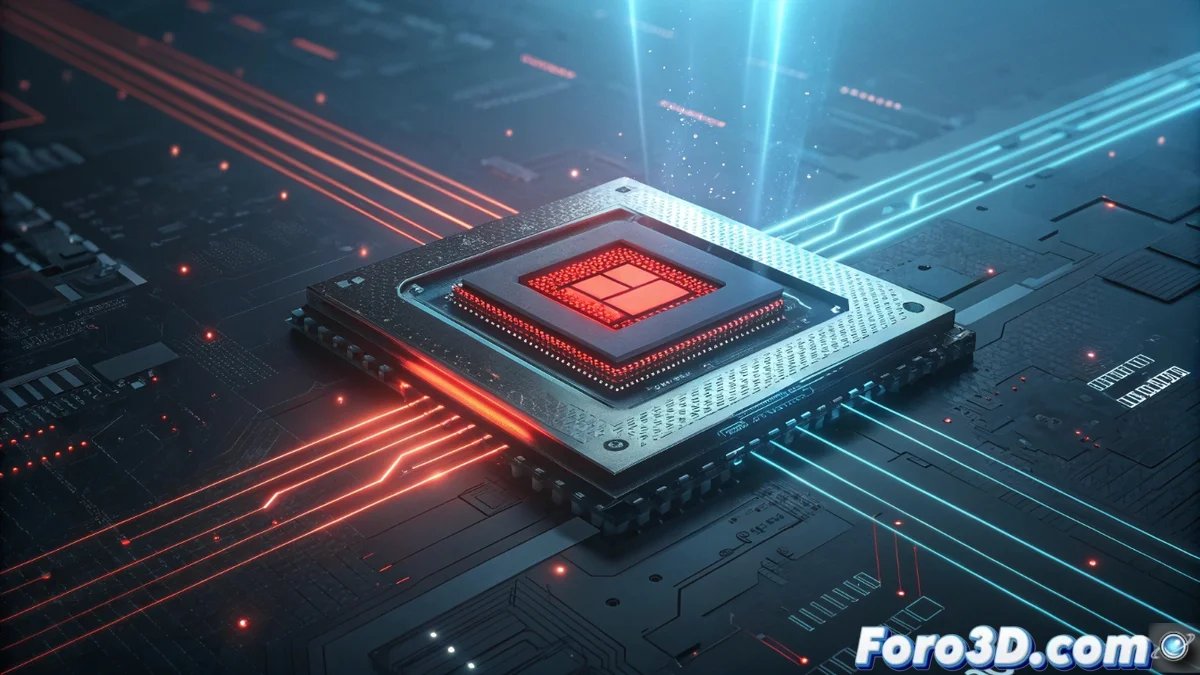
Hybrid CPU Architectures: Balance Between Performance and Efficiency
Hybrid CPU architectures represent a revolutionary approach in processor design, integrating two physically different types of cores on a single silicon die. This innovation allows for adaptive optimization of both energy consumption and processing speed. 💡
Duality of Specialized Cores
Performance cores (P-cores) are designed to handle applications that demand high computational capacity, while efficiency cores (E-cores) manage secondary processes with minimal energy expenditure. This combination creates an intelligent processing ecosystem where each type of task finds its ideal execution environment.
Main features of hybrid architecture:- Integration of heterogeneous cores in a single integrated circuit
- Dynamic resource allocation based on task priority and complexity
- Simultaneous optimization of maximum performance and energy efficiency
"We don't need a nuclear reactor to boil water, nor an AA battery to power a city, but the perfect balance between power and efficiency according to each situation" - Design principle of hybrid architectures
Intelligent System Resource Management
The operating system functions as a computational orchestra conductor, constantly analyzing running applications to distribute workloads to the most suitable type of core. This intelligent distribution occurs in real time without requiring user intervention, creating a fluid and efficient experience.
Examples of automatic task assignment:- Intensive processes like 3D rendering and video editing are directed to P-cores
- Background activities like cloud synchronization use E-cores
- The transition between cores is completely transparent to the user
Tangible Impact on User Experience
The benefits of this architecture manifest in concrete improvements both in portable devices and desktop systems. Users enjoy greater autonomy without sacrificing responsiveness when running demanding applications, achieving the perfect balance between power and efficiency that engineers have pursued for years. 🚀