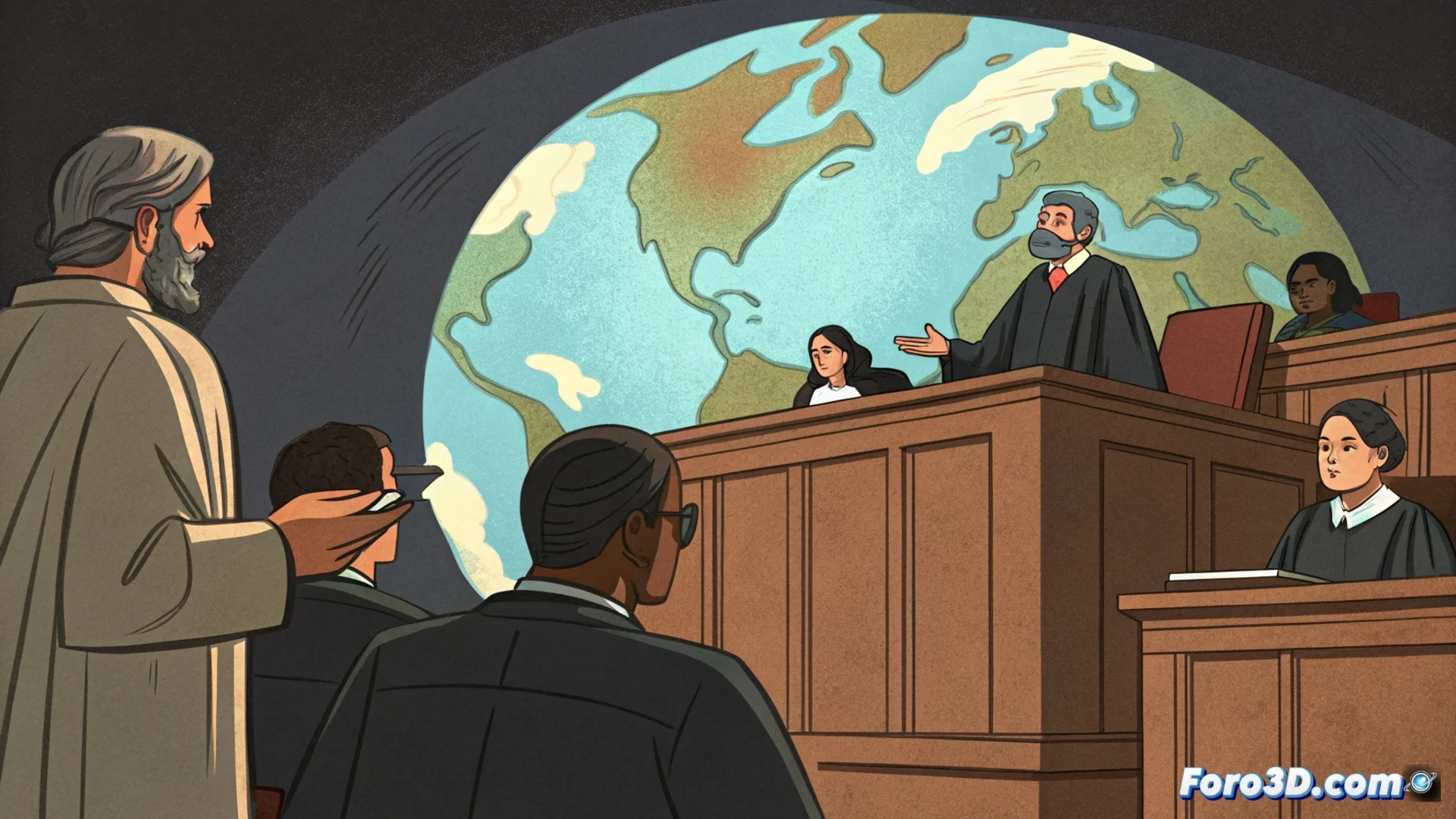
Human Rights Are Used to Force Carbon Emission Reductions
A recent study published in the journal Science reveals a paradigm shift: human rights laws are emerging as the most powerful legal mechanism to demand that states and corporations immediately and significantly reduce their greenhouse gas emissions. This approach is gaining traction in courts worldwide. 🌍
Courts Impose Concrete Actions Against Warming
Plaintiffs in these cases argue that climate change violates fundamental rights such as the right to life, health, and a healthy environment. This transforms abstract commitments into enforceable legal duties. Judges not only declare responsibilities but order detailed plans with specific deadlines and reduction percentages, creating binding jurisprudence.
Examples of Transformative Rulings:- In 2021, a Dutch court ordered the company Shell to reduce its emissions by 45% by 2030, based on its duty of care under human rights law.
- The European Court of Human Rights ruled in favor of a group of elderly Swiss women, determining that their government failed to adequately protect them from the effects of heatwaves.
- These rulings establish a solid precedent that other judges can apply, forcing legislation and changes to internal policies.
Climate change is no longer just an environmental issue; it is a clear case of human rights with identifiable victims.
The Legal Impact Accelerates Economic and Political Changes
Beyond economic sanctions, the main effect of these trials is how they redefine risks for companies and governments. Corporations must now assess climate risk as a direct legal risk that affects their market value and ability to attract investments.
Key Consequences of Judicial Pressure:- Companies reconsider investing in fossil fuel projects due to fears of future lawsuits and reputational damage.
- The transition to renewable energies accelerates as a strategy to mitigate legal and financial risks.
- Governments are forced to review and strengthen their national climate policies to comply with the international human rights treaties they have already signed.
Justice as the Final Engine for Action
After years of unfulfilled promises and slow progress, the judicial system positions itself as the actor that can demand accountability effectively. Climate litigation based on human rights gives a name and a face to the victims, personalizing the crisis and making the obligations of major polluters unavoidable. This global legal movement signals that protecting the climate is, essentially, protecting people's dignity and lives.