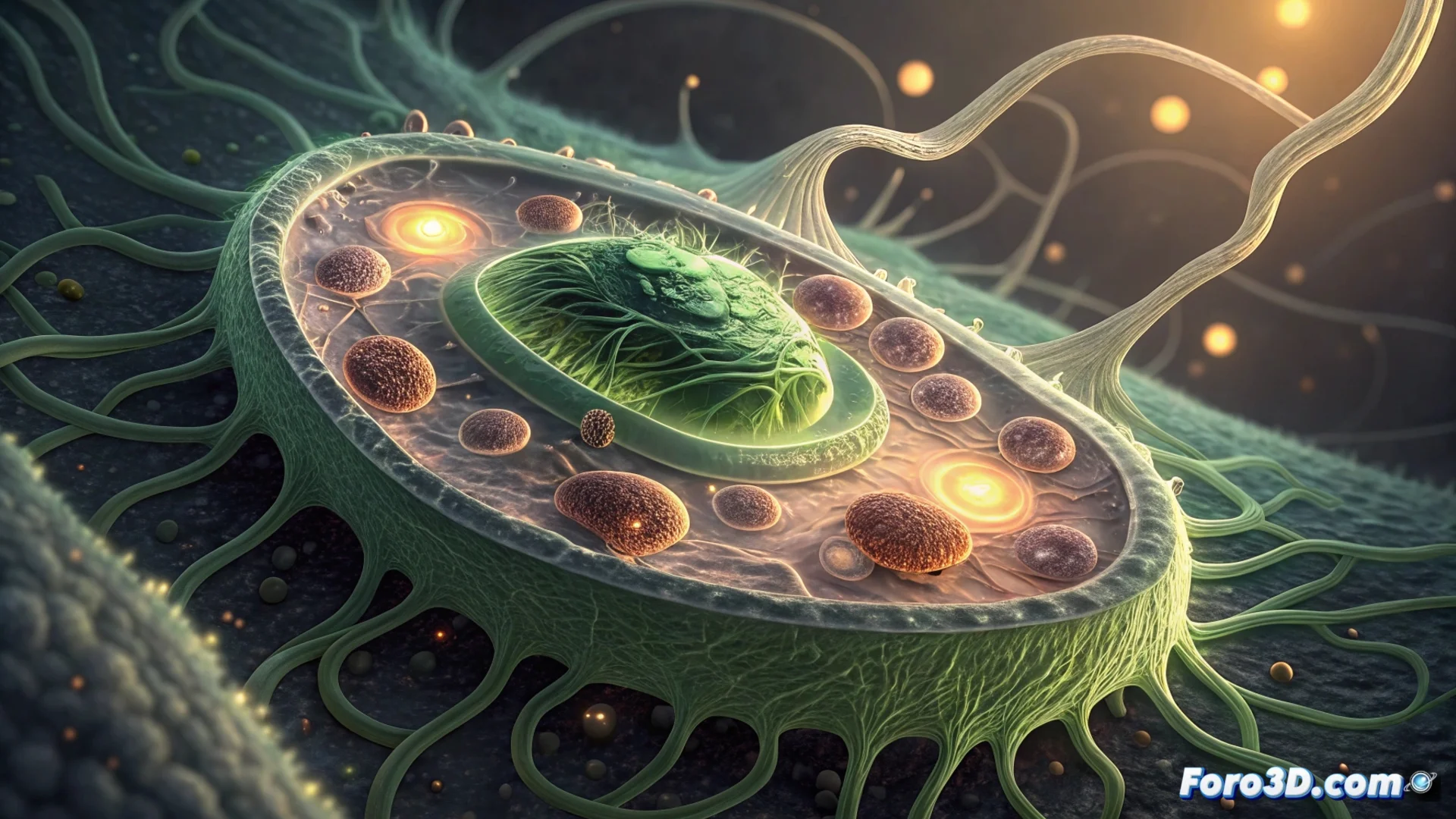
Human-Plant Hybrid Cells Analyze Dark DNA
An innovative experimental approach uses hybrid cells that fuse human and plant material to scrutinize the extensive regions of the genome that do not produce proteins. This method allows for highly precise measurement of what happens in these areas, commonly labeled as dark DNA or genomic junk. 🔬
Distinguishing Function from Noise in the Genome
The study's results reveal that a significant portion of the activity detected in non-coding DNA lacks a clear biological function. Instead, it is generated randomly, acting as background noise tolerated by the cellular machinery. This helps separate genuinely important signals from mere byproducts of cellular processing.
Key Findings from the Experiment:- Much of the activity in dark DNA is random and non-functional.
- Many signals previously interpreted as crucial are actually biological noise.
- The method helps refine maps indicating which parts of the human genome regulate genes.
It seems our genome, like an old hard drive, accumulates many temporary files that the system never bothered to delete.
A Filter to Prioritize Genomic Research
This technique serves as a powerful filter to distinguish genomic regions with a real biological role from those that evolution simply hasn't eliminated. By identifying random noise, researchers can focus their efforts on studying the sequences that truly matter for understanding health and disease. 🧬
Implications of the Study:- Enables prioritization of genomic sequences with potential impact in medicine.
- Does not rule out that some parts of dark DNA have hidden functions yet to be discovered.
- Suggests that a considerable portion of this DNA lacks direct importance for the organism.
Impact on Genomics Science
The work provides solid evidence to clean up functional maps of human DNA. By clarifying which activity is essential and which is mere noise, this hybrid cell approach paves the way for more efficient and precise genomic research, optimizing resources to explore what truly defines our biology. 🧪