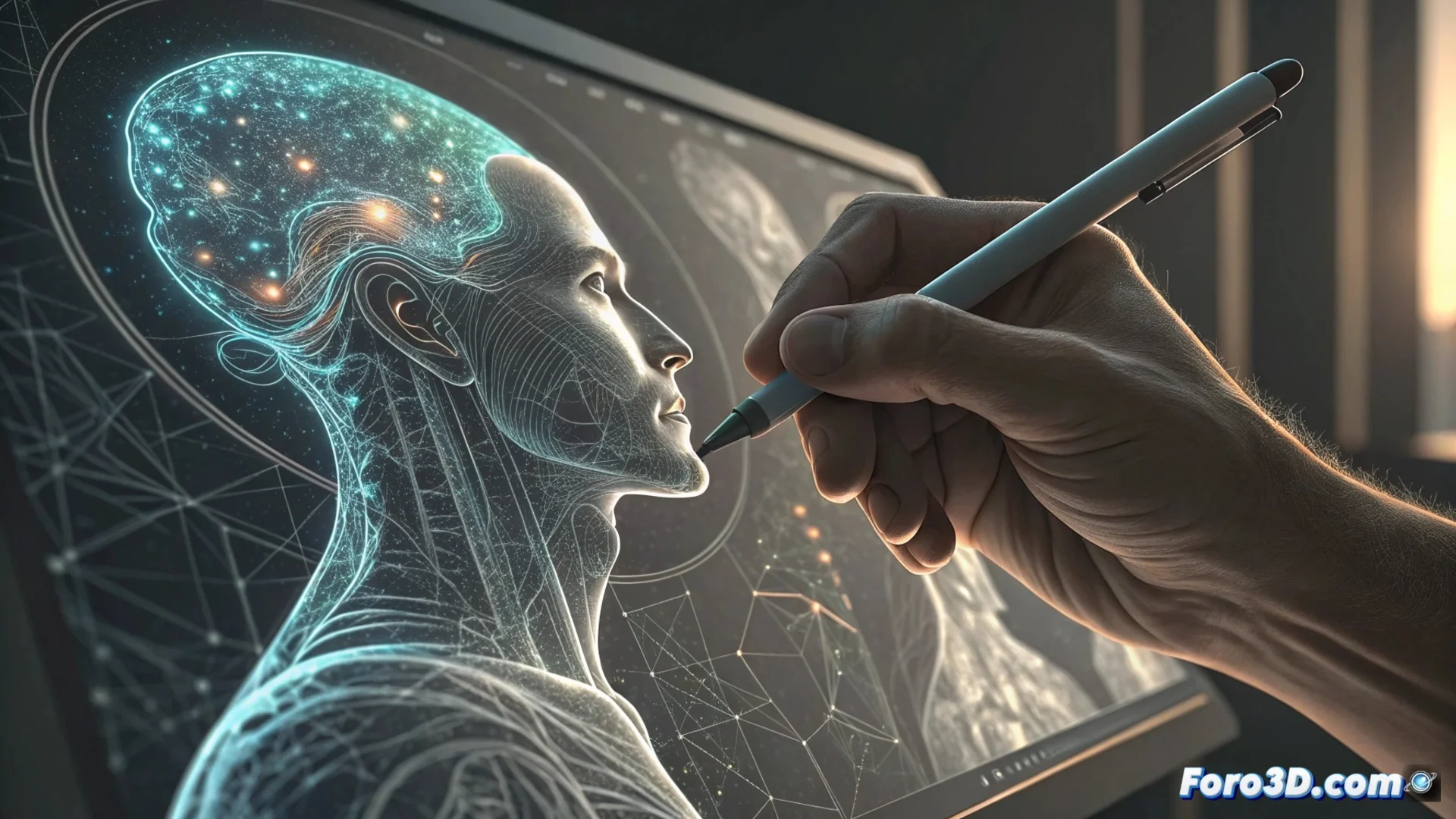
Human creativity defines value in the age of artificial intelligence
Artificial intelligence changes how we produce, but does not replace the essence of thought. By 2026, technical capabilities that execute tasks will lose weight compared to those that distinguish people: having judgment, discernment, and a unique voice. These qualities enable selecting and directing among the infinite options generated by AI, giving meaning to the flow of possibilities. 🤖➡️🧠
Critical thinking and the ability to narrate make the difference
Beyond generating options, it matters to understand processes in depth, question assumptions, and delve deeper. This analytical gaze combines with the ability to build stories and conceptual frameworks that connect with an audience. Narration gives context and purpose to what AI produces, transforming data into meaningful experiences.
Key skills that AI does not replicate:- Critical thinking: Digging deeper beyond the first response and evaluating assumptions.
- Building narratives: Creating stories that provide emotional context to generated elements.
- Connecting conceptually: Developing frameworks that unify scattered ideas into a coherent whole.
The professional of tomorrow does not compete with the machine, but directs it with a clear intention.
Unique vision arises from questioning and contextualizing
Meaningful creativity in this new era comes from how people think and contextualize, not from the speed of production. Capabilities such as empathy, cultural and emotional intelligence, and asking the right questions become fundamental. It is these human perspectives that give each project a unique character.
Elements that integrate personal vision:- Empathy and emotional intelligence: Perceiving and connecting with the human context of the project.
- Formulating powerful questions: Posing the inquiries that guide technology toward a meaningful end.
- Integrating technology as a tool: Using AI in service of a personal vision, not as an end in itself.
The final challenge: valuing the idea over mass production
Perhaps the greatest challenge will be to make it clear that the real value lies in the original idea, in that unique thought that arises outside the digital flow, and not in the massive quantity of variants that a machine can generate in seconds. Technology amplifies, but human direction defines the course and ultimate meaning of any creation. 💡