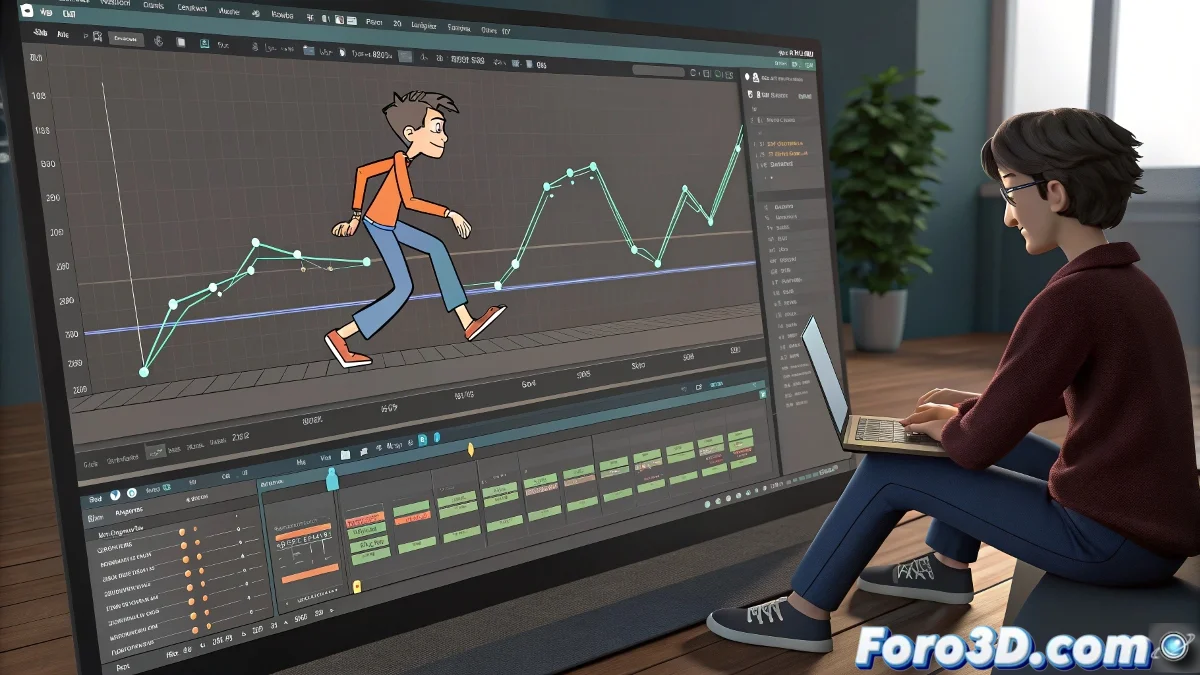
From Feedback to Growth: Making the Most of Criticism
Receiving comments on your animation can feel like a masterclass... or like a bucket of cold water. 🌊 The difference lies in how you ask for, process, and apply that criticism. Here is your guide to turning feedback into real progress.
How to Share Your Work to Get Good Criticism
Essential Information You Should Include:
- Type of animation: Character? Mechanical? Abstract?
- Software used: Maya, Blender, 3ds Max, etc.
- References: What inspired your animation?
- Specific areas: What do you want them to review especially?
Helpful criticism is like a professional mirror: it shows your flaws without destroying your passion for the art.
Types of Feedback That Actually Help
1. On the Fundamentals
- Do the poses clearly communicate the action?
- Is the timing and spacing believable?
- Does it have proper weight and balance?
2. On the Technique
- Does the rig allow for the necessary movements?
- Are the curves in the graph editor clean?
- Is there any popping or jumping in the animation?
Processing Criticism Like a Professional
- Listen without defending: Separate ego from learning
- Ask for concrete examples: "In which exact frame do you see the problem?"
- Prioritize: Address the major problems first
- Always thank them: Even if you disagree
Key fact: 80% of vague criticisms ("something doesn't convince me") are resolved by asking for specifics. The remaining 20%... is probably envy in disguise. 😉
Remember: even Pixar animations go through dozens of revisions. What matters is not how many times you are criticized, but how much you improve between each version. Let's get animating!
Bonus tip: Create a "Lessons Learned" file where you record the most valuable feedback. Your future self will thank you.