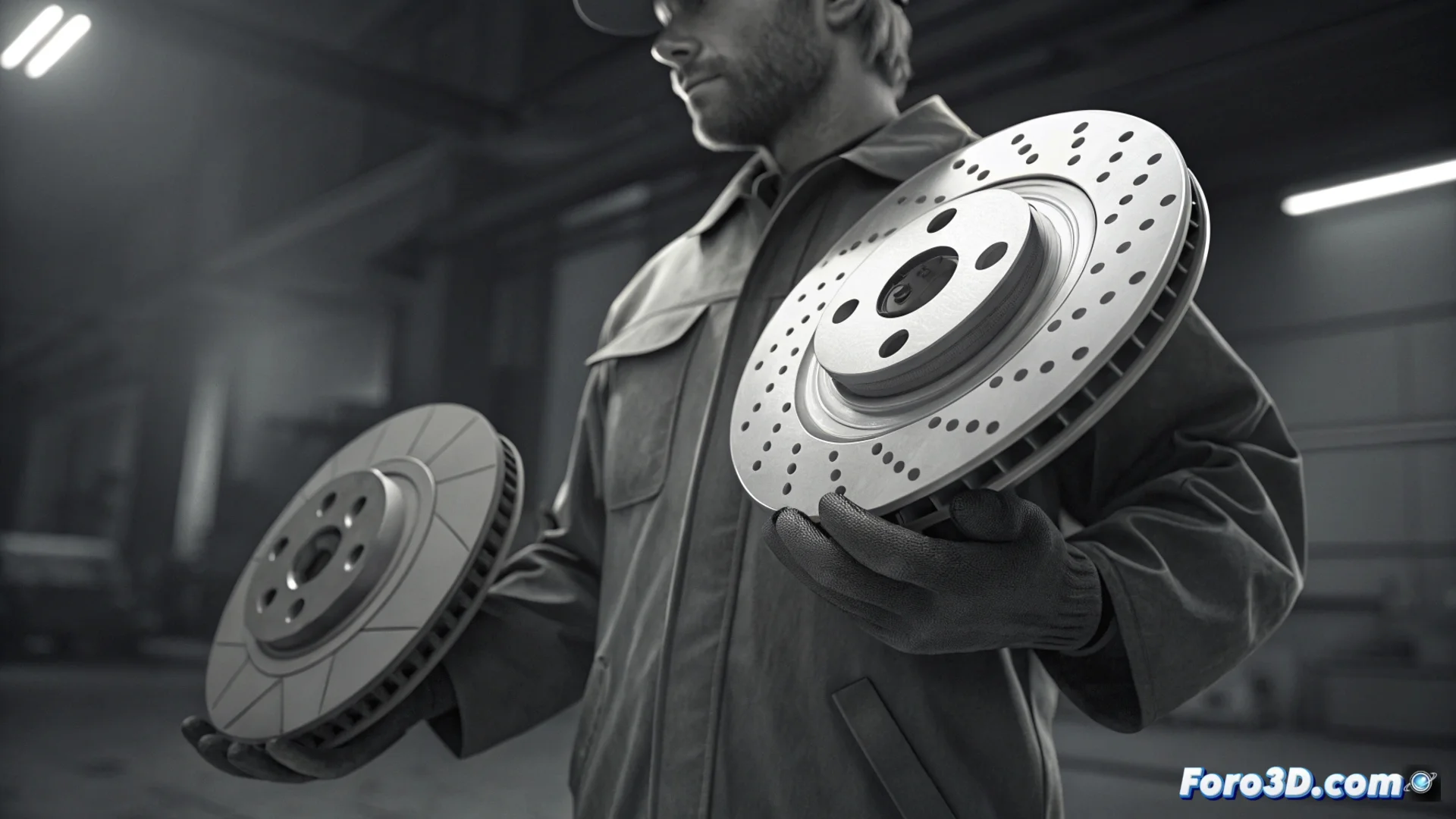
How to Detect if They're Using Original Parts in Your Car
When you take your vehicle to the workshop, you trust that they will use OEM spare parts from the manufacturer. This guarantee usually provides peace of mind, as we associate these parts with a precise fit and greater durability. However, there is a reality where some establishments install components from other, cheaper brands, but charge for the work as if they were original. The user, without being a specialist, can hardly check what has actually been installed. 🛠️
The Main Reason Behind This Practice
The fundamental reason is economic benefit. The price gap between an OEM component and one from an alternative brand can be considerable. By billing the repair at the cost of the original, but acquiring a cheaper one, the workshop increases its profit in a non-transparent way. For the car owner, this means paying more than fair and, possibly, facing a decline in quality and warranty over time, as these spare parts do not always match the manufacturer's standards.
Consequences for the user:- Hidden overcost: You pay for premium quality that you don't receive.
- Risk to the vehicle: Generic components may not perform the same or last as long.
- Loss of warranty: Some manufacturer coverages may be voided if non-approved parts are used.
Trust in the workshop is key, but actively verifying what they install is your best defense.
Practical Actions to Protect Your Investment
You don't have to resign yourself to this situation. There are concrete steps you can take to minimize the risk and ensure they use the correct spare parts.
Verification measures you can implement:- Request a detailed quote: Always ask for a written document that lists the exact references of the parts they will use.
- Examine the packaging: Before they install any component, ask to see the original box. Keeping a label or the reference code is tangible proof.
- Review the final invoice: When picking up the car, meticulously check that the invoice matches what was agreed in the quote, reference by reference.
Conclusion: The Importance of Being Informed
In an ideal world, it would be enough to find a trusted workshop. Until that happens, informing yourself about the OEM brands and codes for your model, especially for critical parts like brakes or engine components, gives you crucial verification power. Although it may seem complex, knowing these details is simpler than becoming an expert in spark plug logos. Transparency should be the norm, not the exception, in any repair. 🔍