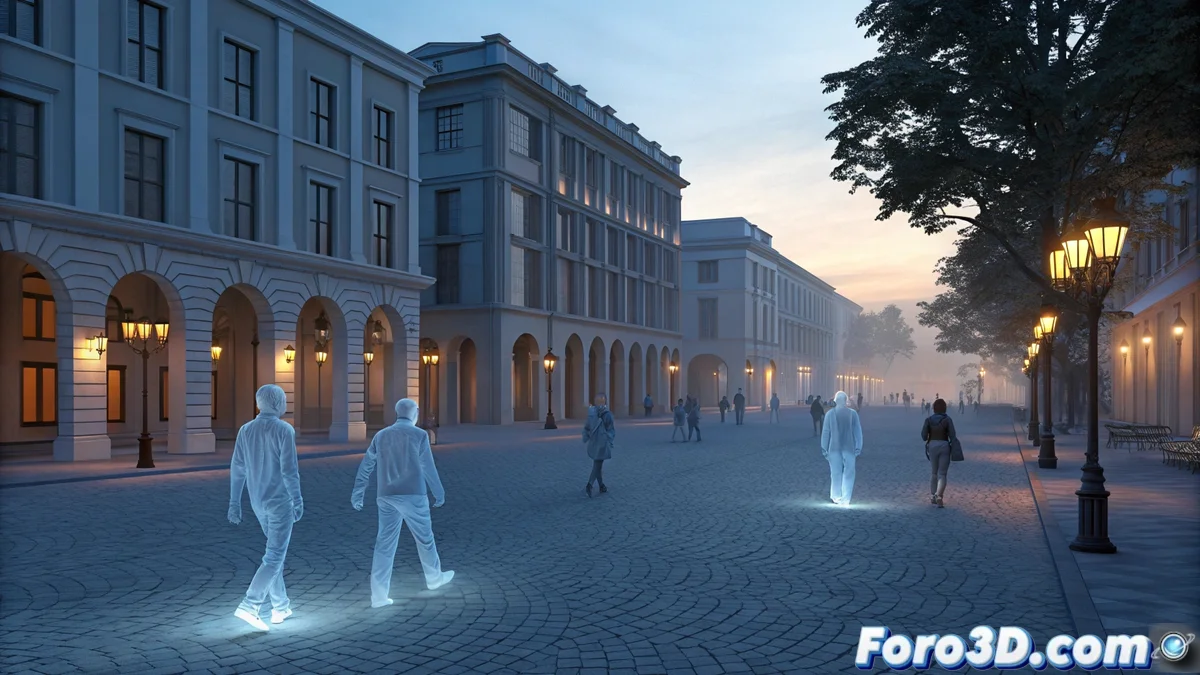
How to Capture the Ghost Effect with Long Exposure Photography
The long exposure technique opens a portal to images where time blurs, allowing the creation of the intriguing ghost effect or ghosting. This method transforms everyday scenes into ethereal stillness paintings, where moving subjects become transparent or fade away completely. The magic lies in how the camera sensor records light over an extended period. 👻
Set Up the Equipment for Absolute Stability
The first step allows no compromises: secure the camera on a sturdy tripod. Any vibration will ruin the sharpness of the static elements that form the image's foundation. Select a scene with architectural structures, landscapes, or defined interiors. Switch the camera to manual mode (M) or shutter priority mode (Tv/S). The heart of the technique is the shutter speed, which you must extend from several seconds to minutes.
Key Technical Settings to Control Exposure:- Set a minimum ISO value (e.g., 100) to reduce digital noise.
- Close the lens aperture to openings like f/11 or f/16 to limit light entry and increase depth of field.
- In bright daylight conditions, a neutral density (ND) filter is essential to allow long times without overexposing.
- Use a remote shutter release or the camera's timer to avoid moving it when pressing the button.
Long exposure does not freeze an instant, but weaves a visible thread of time into a single image.
Orchestrate the Movement and Execute the Shot
Scene planning is what separates a casual photo from a powerful image. You must coordinate or anticipate the flow of people within the frame. For subjects to become ghosts, they need to move constantly during almost the entire exposure. If they stop, their image will fix solidly. You can work with collaborators who follow routes or, more commonly, capture the natural transit of a city.
Variables to Modify the Final Result:- Exposure Duration: A few seconds create blurry and dynamic trails. Several minutes can completely eliminate people, leaving an empty scene.
- Movement Pattern: People walking in a straight line, crossing the scene, or in multiple directions generate different layers of transparency.
- Subject Speed: Faster movement leaves a fainter trail than slow movement.
Final Considerations and a Common Effect
Experimenting with different shutter speeds and scenes is crucial to master the technique. A frequent and often unintended side effect is that the photographer can become an accidental ghost if they move within the frame during the capture. This phenomenon underscores the importance of remaining completely static or out of the composition once the shot has started. Long exposure photography for ghosting fuses precise technical control with a creative vision of movement and time, producing images that challenge our perception of instantaneous reality. 📸