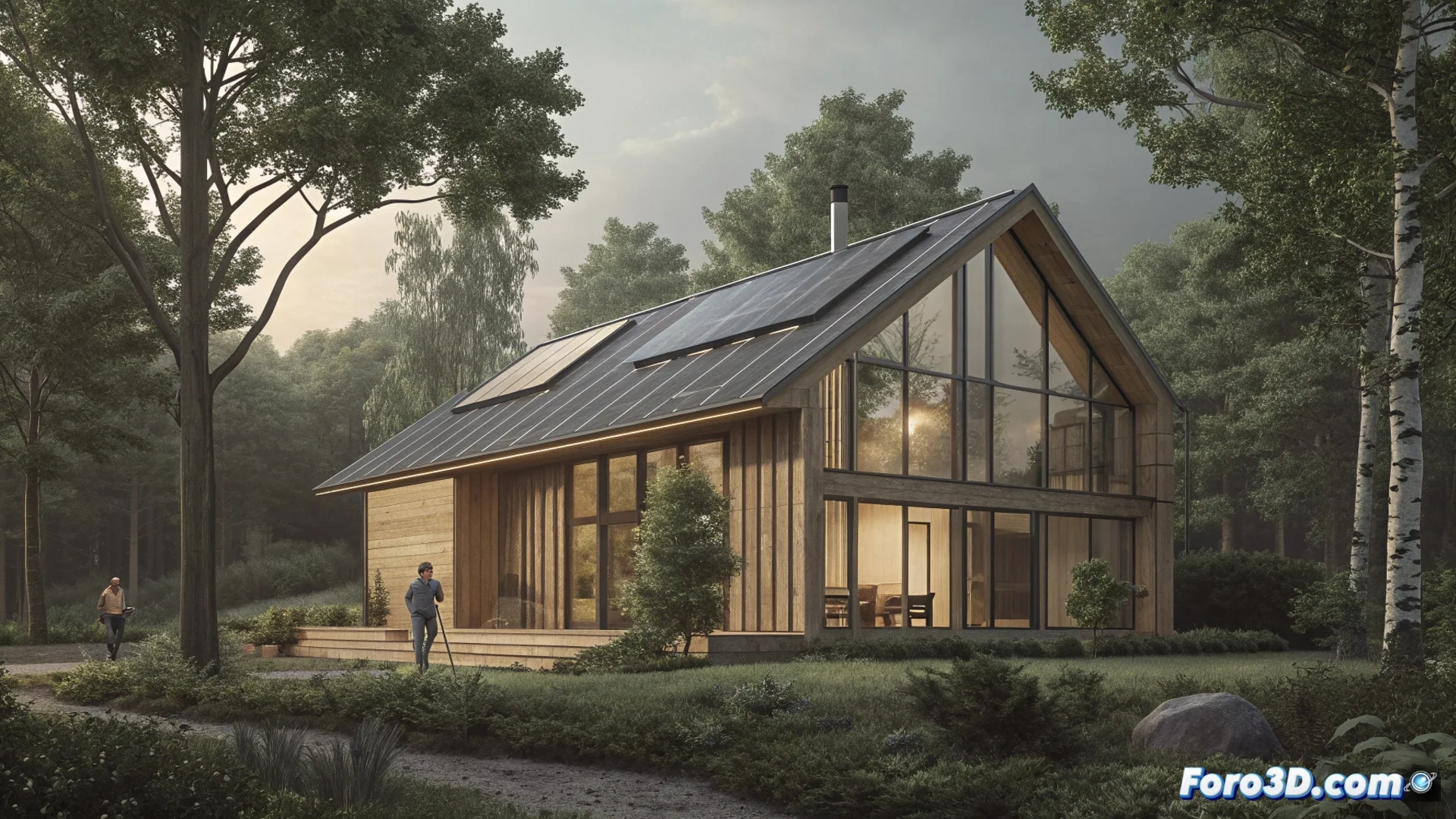
Housing construction must transform to limit global warming
A recent report highlights the urgent need for the building sector to radically reduce its carbon emissions. Current buildings consume a large amount of energy and generate a significant percentage of global emissions. If the way we build is not changed, it will be unfeasible to keep the global temperature increase below 2°C. The solution lies in adopting sustainable materials and designing low-energy consumption homes from the outset. 🏡
The challenge of materials and energy systems
Conventional materials like cement and steel, fundamental in modern construction, are major emitters of carbon dioxide. To address this problem, it is necessary to implement alternatives such as cross-laminated timber (CLT) or recycled composites. Additionally, it is vital that new buildings generate their own renewable energy and have excellent thermal insulation. This way, dependence on air conditioning systems based on fossil fuels is minimized.
Key actions to transform the sector:- Replace high-carbon footprint materials with sustainable materials of local origin.
- Design homes that produce renewable energy through solar panels or aerothermal systems.
- Prioritize high-efficiency thermal insulation to reduce heating and cooling demand.
The future of housing may lie in building as before the industrial era, but with 21st-century technology. A paradox where the innovative is recovering the wisdom of building with what is available.
Changing regulations and training professionals
Achieving this transition requires administrations to update building regulations and establish clear economic incentives. Architects and engineers must focus on bioclimatic and passive designs that optimize solar light and natural ventilation. At the same time, it is crucial to train construction professionals in these new techniques and eco-friendly materials. Without coordinated action among all actors, the climate goal will remain unattainable.
Elements necessary for effective adaptation:- Update building technical codes to include stricter environmental requirements.
- Promote passive designs that leverage the environment and reduce the need for active energy.
- Train the workforce