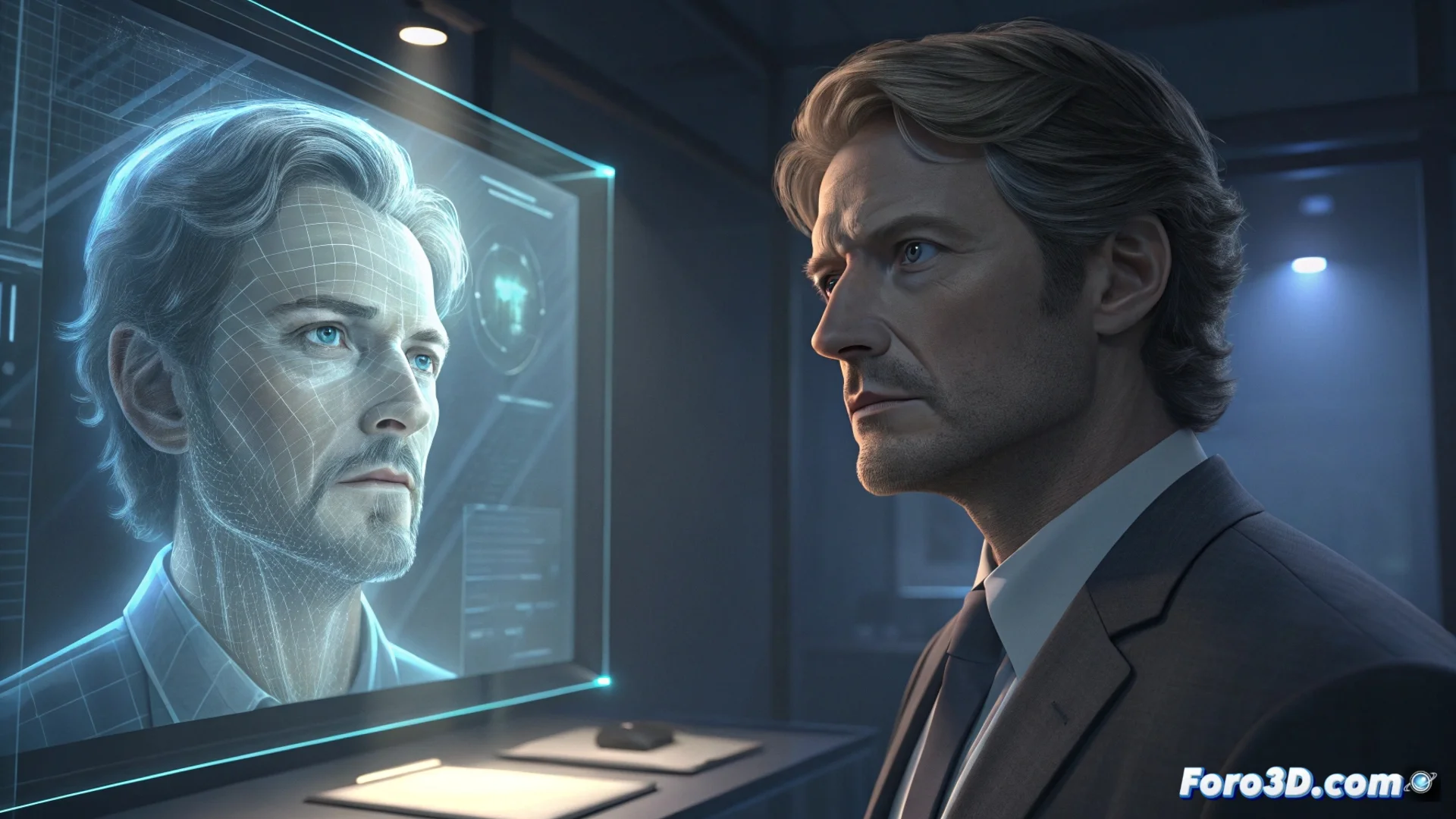
Hollywood Actors Seek to Protect Their Image from Artificial Intelligence
The main actors' unions in the United States support a legislative initiative that aims to block artificial intelligence systems from using a person's physical appearance or voice without permission. This legal battle is being fought on two fronts: the slow path through Congress and the immediate action of the artists, who are exploring alternative avenues to defend their most personal attributes. 🛡️
A Law to Require Permission Before Replicating
The bill, which is still under debate, is based on a fundamental principle: a clear and prior authorization is required to copy the unique elements that define an individual. This includes everything from the face and silhouette to gestures, voice tone, or manner of movement. The goal is to create a framework where actors can negotiate and grant permission for each specific use of their digital double, preventing studios or platforms from creating these replicas without their approval and fair economic compensation.
Key Elements the Law Wants to Protect:- Facial and bodily appearance in its entirety.
- Characteristic gestures and unique body language.
- The timbre, tone, and modulation of the voice.
Technology advances faster than the law, leading artists to seek creative tools to defend themselves.
Trademarks as an Immediate Legal Weapon
Faced with the delay in the legislative process, numerous artists are turning to the U.S. Patent and Trademark Office. They register trademarks on specific aspects of their identity, such as a particular gaze, a recognizable scar, or even an iconic phrase they often say. This strategy does not offer as broad a coverage as the proposed law, but it works as a powerful deterrent against unauthorized commercial uses. Additionally, it serves as a legal basis for filing a lawsuit if someone exploits those registered traits without consent.
Examples of What Actors Are Registering:- Distinctive and unusual physical traits.
- Dialogue phrases or vocal catchphrases associated with them.
- Acting styles or characteristic body poses.
A Future Where You Own Your Own Smile
This landscape creates a paradoxical situation in the entertainment industry. While legislators try to catch up, some actors could end up legally owning aspects as personal as their smile or laugh. It's a gi