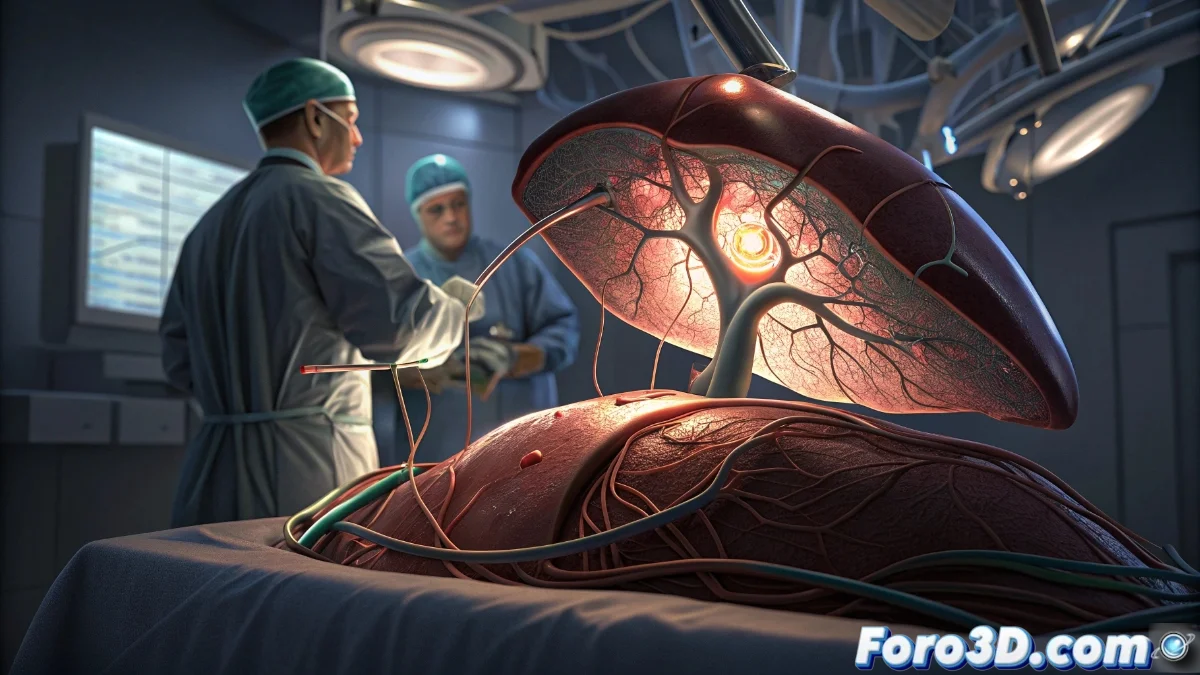
Hepatic Xenotransplants: Genetically Modified Pigs Revolutionize Regenerative Medicine
Regenerative medicine is achieving extraordinary milestones in addressing the global shortage of organs for transplantation. Xenotransplants with genetically altered pig livers are exceeding expectations in initial experimental phases, demonstrating that they can temporarily maintain vital functions in human patients. This technology not only mitigates the critical shortage of donors but also provides a real alternative for people on conventional waiting lists 🐖→👨⚕️
Genetic Engineering to Overcome Biological Barriers
The success of these procedures lies in the precise genetic modification applied to donor pigs. Researchers eliminate specific porcine genes that trigger violent immune responses in humans, while incorporating human genes that control essential processes such as blood clotting and inflammatory reactions. This meticulous process generates organs with improved biocompatibility, drastically reducing dependence on aggressive immunosuppressive drugs.
Implemented Safety Measures:- Elimination of porcine endogenous retroviruses to prevent interspecies infectious transmissions
- Comprehensive control of potential pathogens through advanced biosafety protocols
- Validation of organ functionality through rigorous preclinical testing
Modified porcine organs represent the most promising bridge between the immediate need for transplants and the limited availability of compatible human organs
Current Applications and Future Prospects
In the current clinical scenario, these modified livers primarily function as temporary support devices for patients with acute liver failure, maintaining essential metabolic functions while they await a definitive human organ. Preliminary data confirm that these organs are capable of filtering toxins and performing key metabolic processes during limited periods with remarkable efficiency.
Advances in Development:- Research to extend the functional duration of xenotransplanted organs
- Development of porcine organs that can operate permanently in human recipients
- Potential reduction of global waiting lists for liver transplants
Transformative Impact on Transplant Medicine
This biotechnological revolution is redefining the paradigms of liver disease treatment. What began as a temporary solution could become the definitive answer to the chronic organ shortage, completely transforming the prognosis for patients with terminal liver diseases. Pigs, traditionally valued for their meat, now emerge as potential saviors in cutting-edge laboratories, although they would surely prefer their natural habitat to the clinical environment 🏥