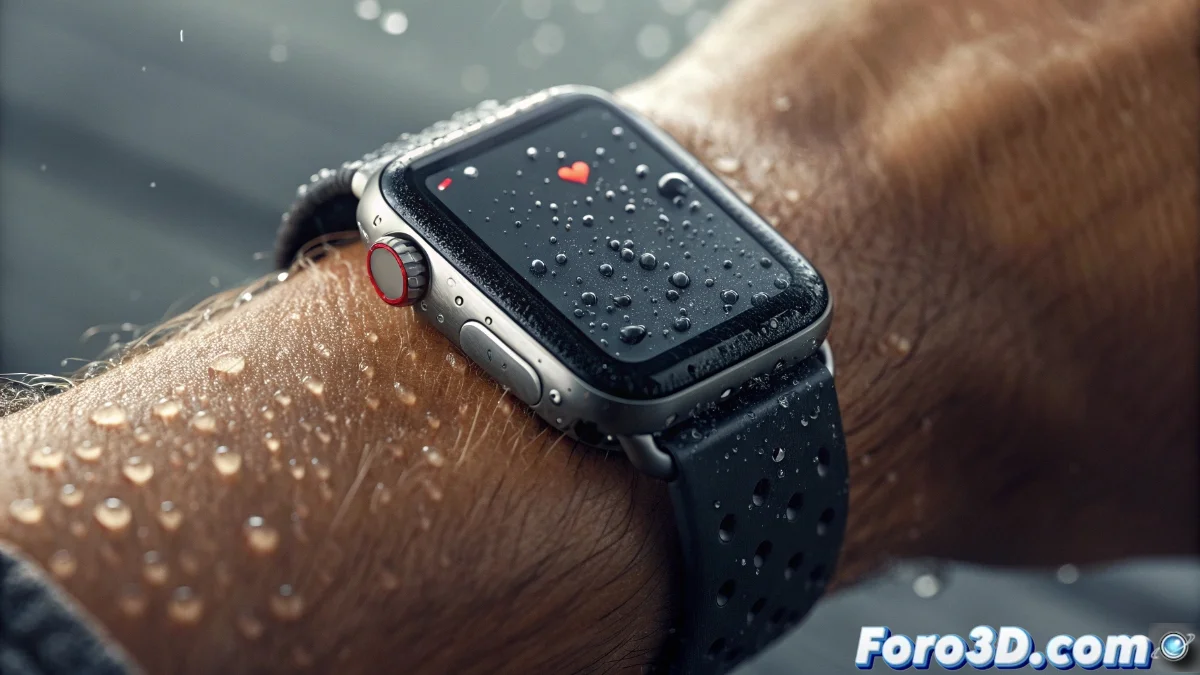
Problems with Heart Rate Sensors in Older Sports Smartwatches
Sports smartwatches from renowned brands like Garmin, Polar, Fitbit, and Suunto, marketed between 2015 and 2020, are experiencing premature failures in their pulse measurement systems. These devices, after a usage period ranging from one to three years, begin to record inconsistent data and discontinuities in heart rate monitoring, seriously compromising their primary functionality 🚨.
Technical Origin of Sensor Deficiencies
The root of the problem lies in the progressive deterioration of the LED elements and photodiodes that make up the optical sensor, worsened by sweat and moisture infiltration inside the device. Numerous models from this generation have inadequate protection in their encapsulation, allowing environmental moisture to gradually degrade the electronic circuits. This combination of factors results in a loss of metric precision that becomes most evident with continued use.
Determining Factors in Deterioration:- Accelerated degradation of LED and photodiode components due to intensive use
- Accumulation of moisture and sweat salts inside the device
- Inadequate sealing in compact models from previous generations
"Sometimes it seems like these smartwatches decided that our pulse should be more exciting, with random ups and downs that not even the most intense training would justify"
Corrective Measures and Current Landscape
Manufacturers have implemented partial improvements in recent models, integrating more resistant sensors, better sealing systems, and more advanced calibration algorithms. However, for devices from previous generations, options are limited: it basically comes down to the complete replacement of the sensor or the watch entirely. Owners of these devices are forced to accept unreliable measurements or invest in a new device, as repairs are usually economically prohibitive and technically complex 🔧.
Available Alternatives for Users:- Live with inaccurate measurements while keeping the original device
- Purchase a new model with improved technology
- Attempt costly repairs that do not guarantee a permanent solution
Reflections on Technological Durability
This situation raises serious doubts about the expected lifespan of sports wearables and the sustainability of current technology. Consumers face the dilemma of accepting devices with reduced functionality or contributing to the cycle of accelerated consumption, while manufacturers balance between innovation and real durability 💡.