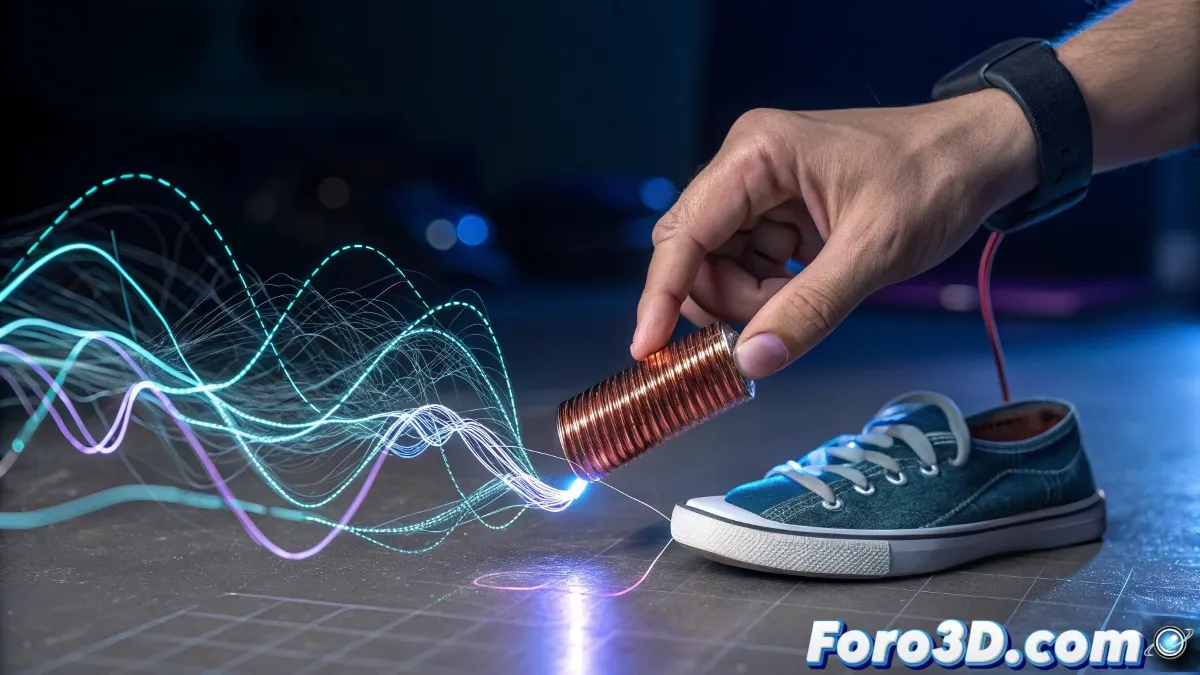
The Silent Revolution of the Sense of Touch
While audiovisual technology reaches levels of realism unimaginable a decade ago, tactile interaction remained stuck in elementary vibrations. This sensory imbalance is changing thanks to haptic devices that recreate sophisticated tactile experiences, approaching the richness of stimuli we perceive in the physical world.
Electromagnetism in Service of Perception
The system developed by researchers at Northwestern University employs fundamental physical principles to achieve something extraordinary. A set of miniaturized coils and magnets generates multidirectional forces that the brain interprets as complex sensations. This approach overcomes the limitations of conventional vibration motors, which are unable to transmit spatial or temporal nuances.
"The skin processes information in three dimensions, not just vertically. Our system respects this biological complexity."
Unexpected Horizons of Application
The possibilities of this technology extend beyond digital environments:
- Medical rehabilitation: restoring perception in patients with nerve damage
- Special education: tools for people with sensory disabilities
- Interactive art: adding a tactile dimension to creative experiences
In the field of extended reality, this innovation could close the gap between the digital and the physical. By enabling the feeling of texture, shape, and resistance of virtual objects, immersion would reach unprecedented levels.
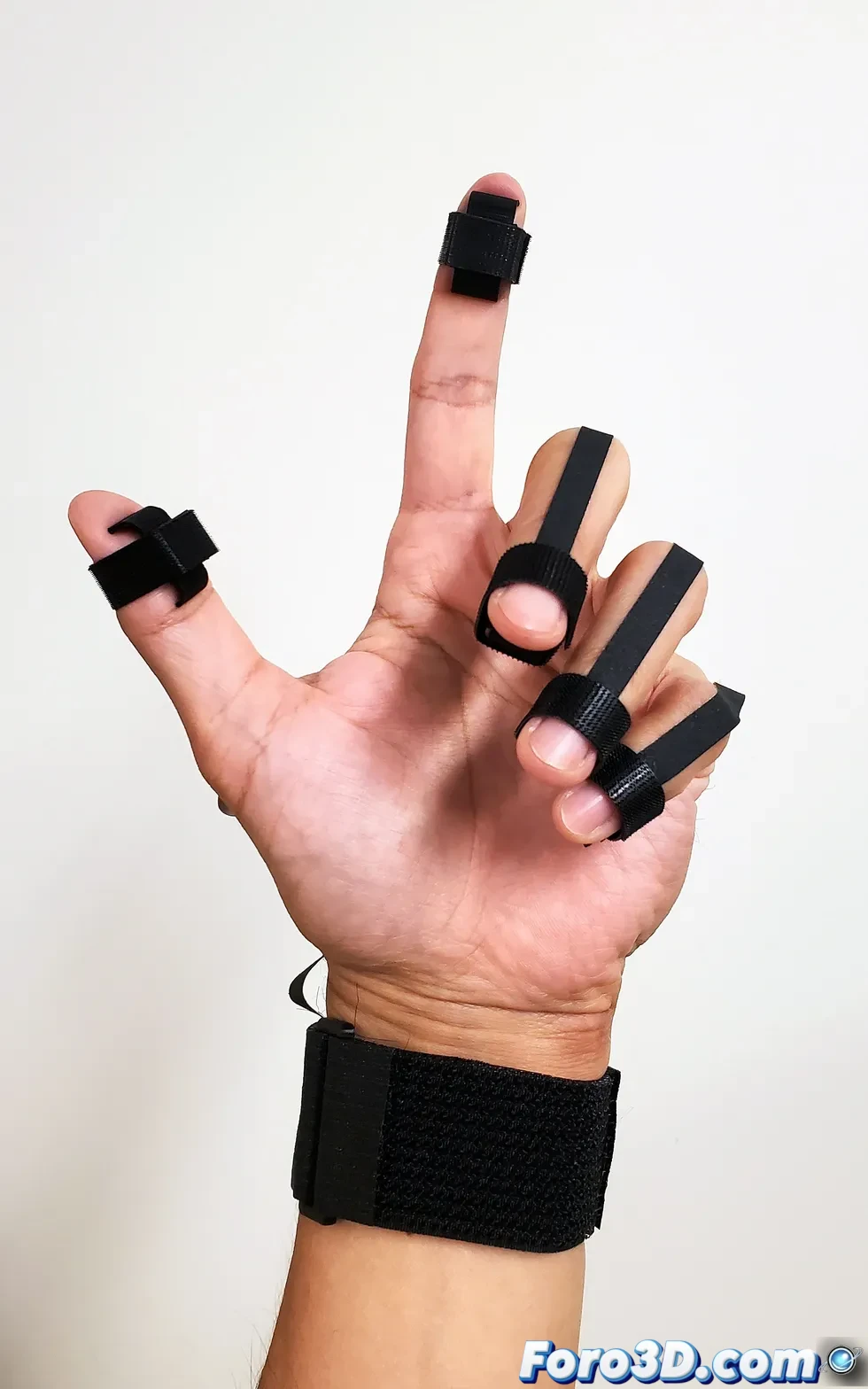
New Languages for Tactile Communication
The ability to encode complex information in haptic stimuli opens fascinating possibilities:
- Transmit emotions remotely through tactile patterns
- Translate visual or auditory information into the language of touch
- Create more intuitive and less intrusive alert systems
This technology represents a significant step toward interfaces that speak the natural language of our senses. By better understanding how we process touch, researchers are not only creating more advanced devices but rediscovering a forgotten dimension of human experience.