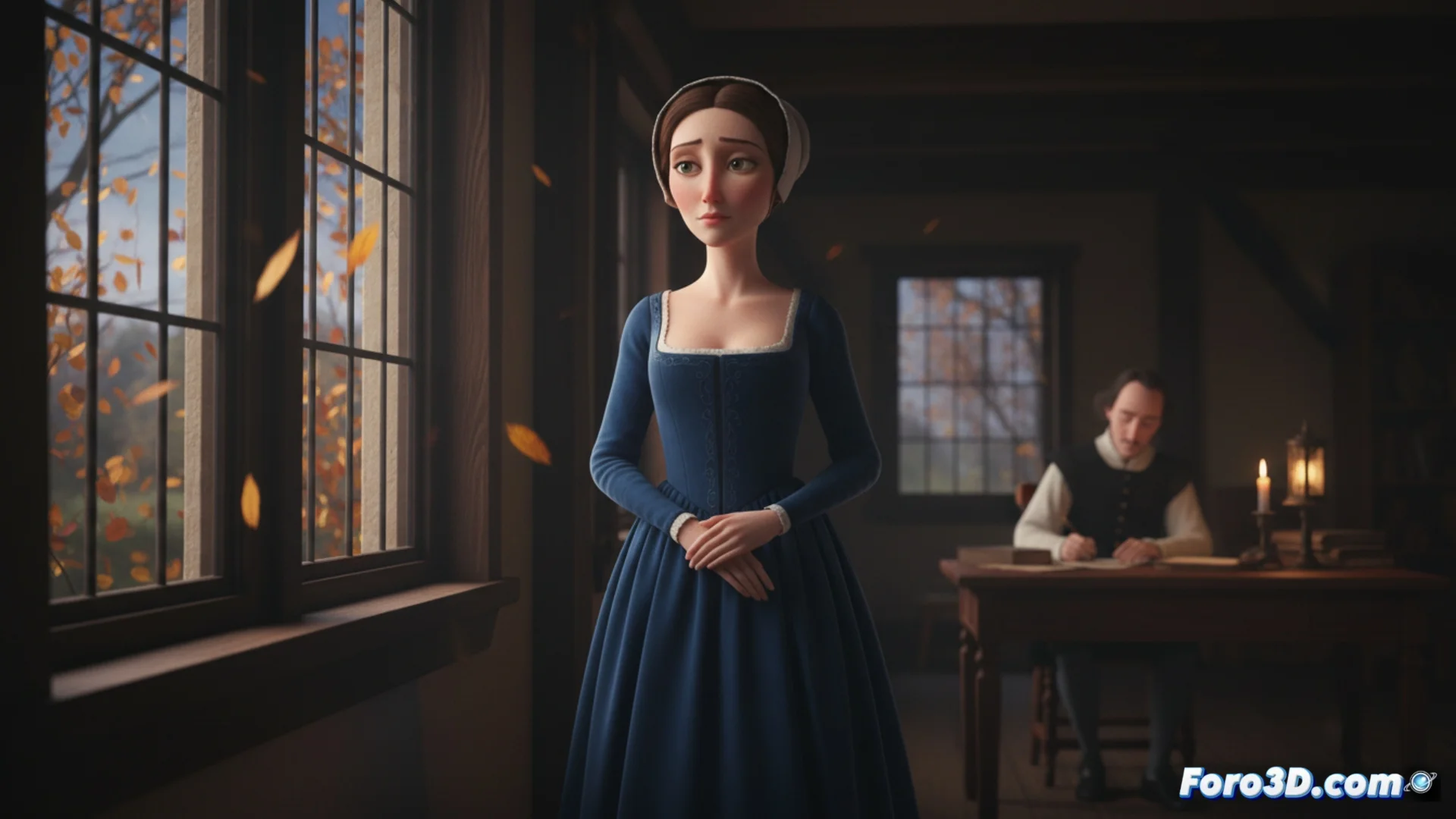
Hamnet: an intimate look at the pain that inspired Shakespeare
Maggie O'Farrell builds in Hamnet a powerful fiction around a real event: the death of William Shakespeare's son. 🎭 The plot does not seek to be a biography, but to delve into the private world of pain and how this event may have marked the playwright and his wife, Agnes, in Stratford-upon-Avon.
Agnes Hathaway: the heart of the story
O'Farrell decides to place Agnes, the wife, at the center of the narration. The author grants her a special bond with the natural world and healing gifts, thus displacing the figure of the famous writer to a secondary plane. This choice allows deepening into the emotional universe of those who remain in the home, weaving a web of omens and everyday details that announce the tragedy.
Key elements of the narrative:- The story is told mainly from Agnes's point of view, offering an alternative vision to that of the literary genius.
- An atmosphere charged with omens is built through domestic life and connection with nature.
- The narrative speculates on family life and the dynamics that loss completely alters.
The irony lies in the fact that the most famous work about a son who mourns his father may be born from the pain of a father who mourns his son.
Grief as a seed for creating art
One of the central proposals of the novel is to link personal loss with artistic creation. It explores the idea that the experience of losing Hamnet may have directly influenced the writing of Hamlet.
Connections between life and work:- The novel suggests that the masterpiece arises from a deep and personal wound.
- It examines how grief can act as a driving force to produce enduring art.
- It proposes that the ghost on the Hamlet stage might reflect a very real ghost in the author's life.
A literary exploration of pain
In short, Hamnet presents itself as a literary exploration of intimacy and suffering. 🖋️ By focusing on the emotional impact on the family, O'Farrell illuminates the possible human origins behind one of the most studied works in universal literature, reminding us that sometimes the most sublime art is born from the most devastating experiences.