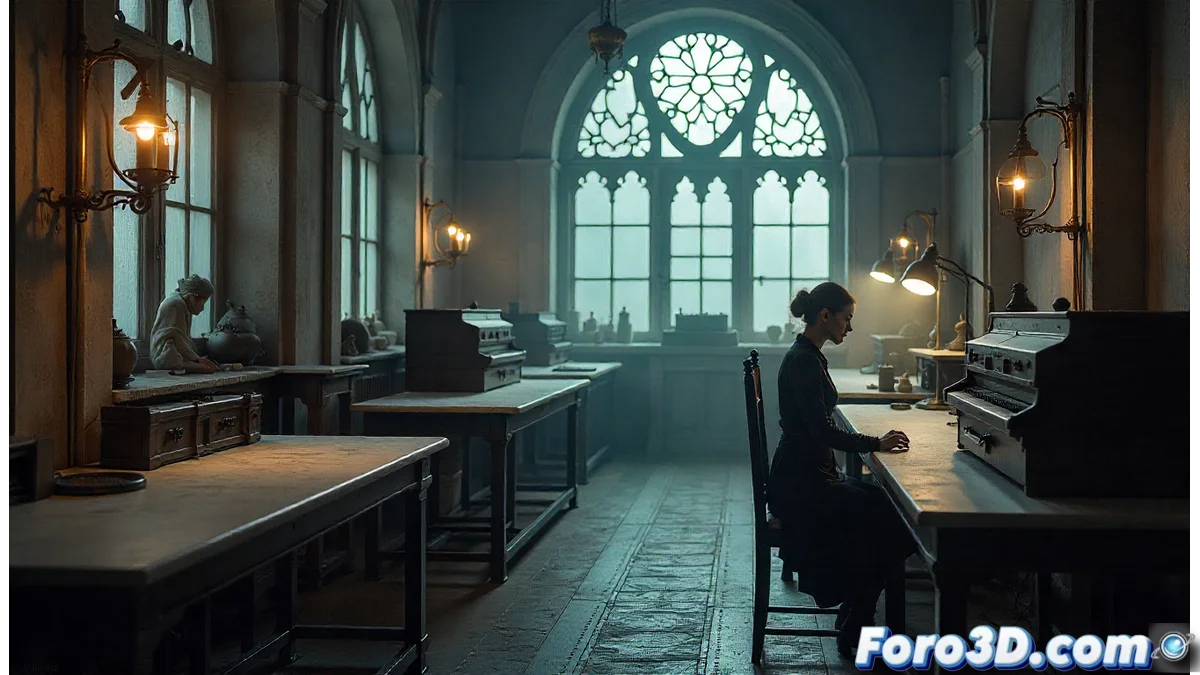
Guillermo del Toro's New Frankenstein Uses 3D Printing to Create Its Gothic Scenarios
The upcoming film adaptation of Frankenstein directed by visionary Guillermo del Toro is revolutionizing set production through the extensive use of 3D printing technology. This innovative approach allows materializing the complex gothic designs that characterize the Mexican director's style, combining digital precision with traditional artistic sensitivity 🎬.
Technology Applied to the Creation of Gothic Environments
Production teams are employing large-format 3D printers to manufacture everything from the smallest decorative details to complete set structures. This methodology not only significantly accelerates production times but also allows modifications and adjustments during the creative process, adapting to the specific needs of each cinematic sequence.
Elements Produced Using 3D Printing:- Cornices and architectural moldings with intricate gothic designs
- Ornamental sculptures requiring a high level of detail
- Complete structural components for period buildings
3D printing allows us to achieve a level of detail that would be prohibitively expensive and slow with traditional methods, maintaining visual coherence throughout the film
Symbiosis Between Traditional Craftsmanship and Technological Avant-Garde
Although 3D printing generates the base pieces, the creative process still crucially depends on traditional artists. Once printed, the elements pass through the expert hands of sculptors, painters, and finishing specialists who give them that aged and organic appearance so characteristic of Del Toro's visual universe.
Stages of the Hybrid Creative Process:- Digital design and 3D modeling of scenic elements
- Printing of pieces in materials specialized for cinema
- Manual finishing with aging and texturing techniques
The Future of Film Production
This hybrid approach demonstrates how new technologies can enhance artisanal techniques rather than replace them, creating synergies that greatly enrich the final result. The production of Frankenstein sets an important precedent for future productions seeking to combine technological efficiency with artistic authenticity, proving that even in the most classic gothic horror genre, innovation finds its natural space 🖨️.