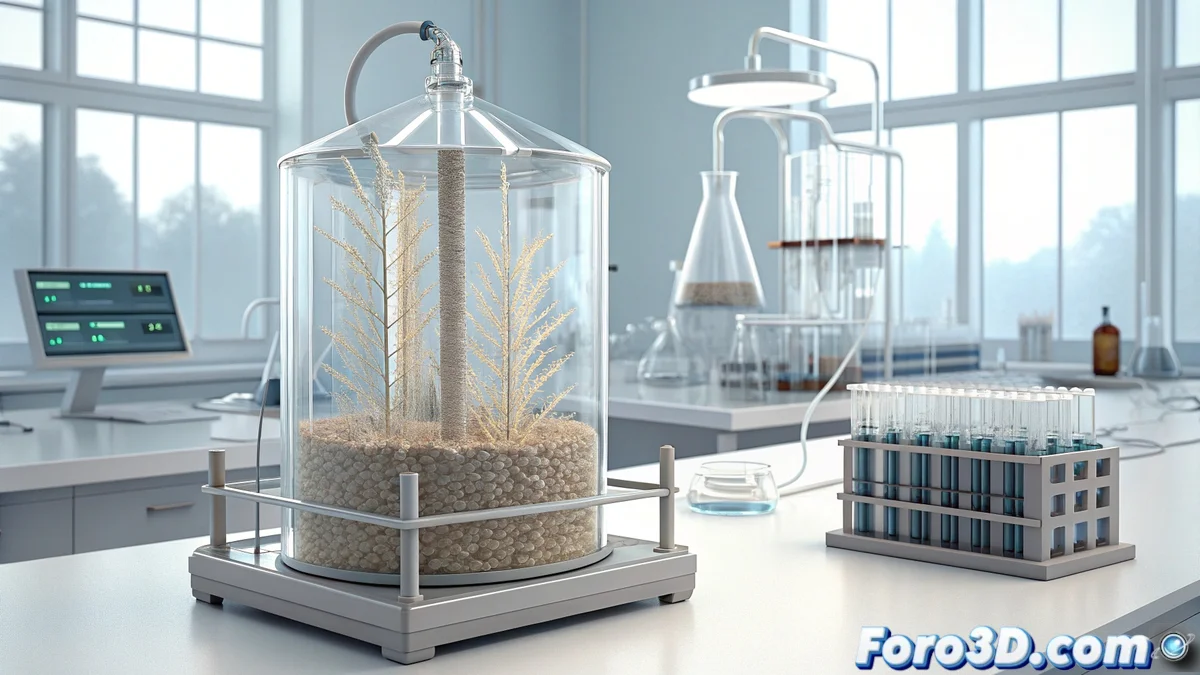
Growing Coffee in the Lab with Plant Cells
A group of scientists in Finland has managed to produce coffee without the need for a conventional plant. They use plant cells that grow in bioreactors under controlled conditions, an advance that could transform how we obtain this beverage. ☕
The Foundation of Cellular Agriculture
The technique is based on cellular agriculture, similar to processes for developing cultivated meat. Researchers take cells from leaves of Coffea arabica and multiply them in a nutrient medium inside specialized tanks. This system accelerates the process and makes it independent of climatic factors or large land areas.
Key Steps in the Process:- Obtain cells from a real coffee plant to start the culture.
- Multiply the biomass in bioreactors with essential nutrients.
- Dry and roast the resulting biomass to create a coffee powder ready for brewing.
This approach allows for producing coffee in a more controlled and potentially faster way than traditional agriculture.
Motivation: Reducing the Ecological Footprint
The main objective is to mitigate problems linked to traditional cultivation. Cellular agriculture in the lab can use less water, avoid deforestation for new plantations, and be less vulnerable to the effects of climate change.
Potential Environmental Advantages:- Optimize resources like water and land in a closed environment.
- Reduce deforestation associated with expanding coffee crops.
- Minimize the overall ecological footprint of production.
The Future of Lab-Grown Coffee
The developers indicate that the flavor and aroma of the product are promising, although they admit they need to perfect the sensory profile. This project represents a significant step toward sustainably produced food. The next logical challenge, in a humorous tone, would be to invent a cup that fills itself. 🔬