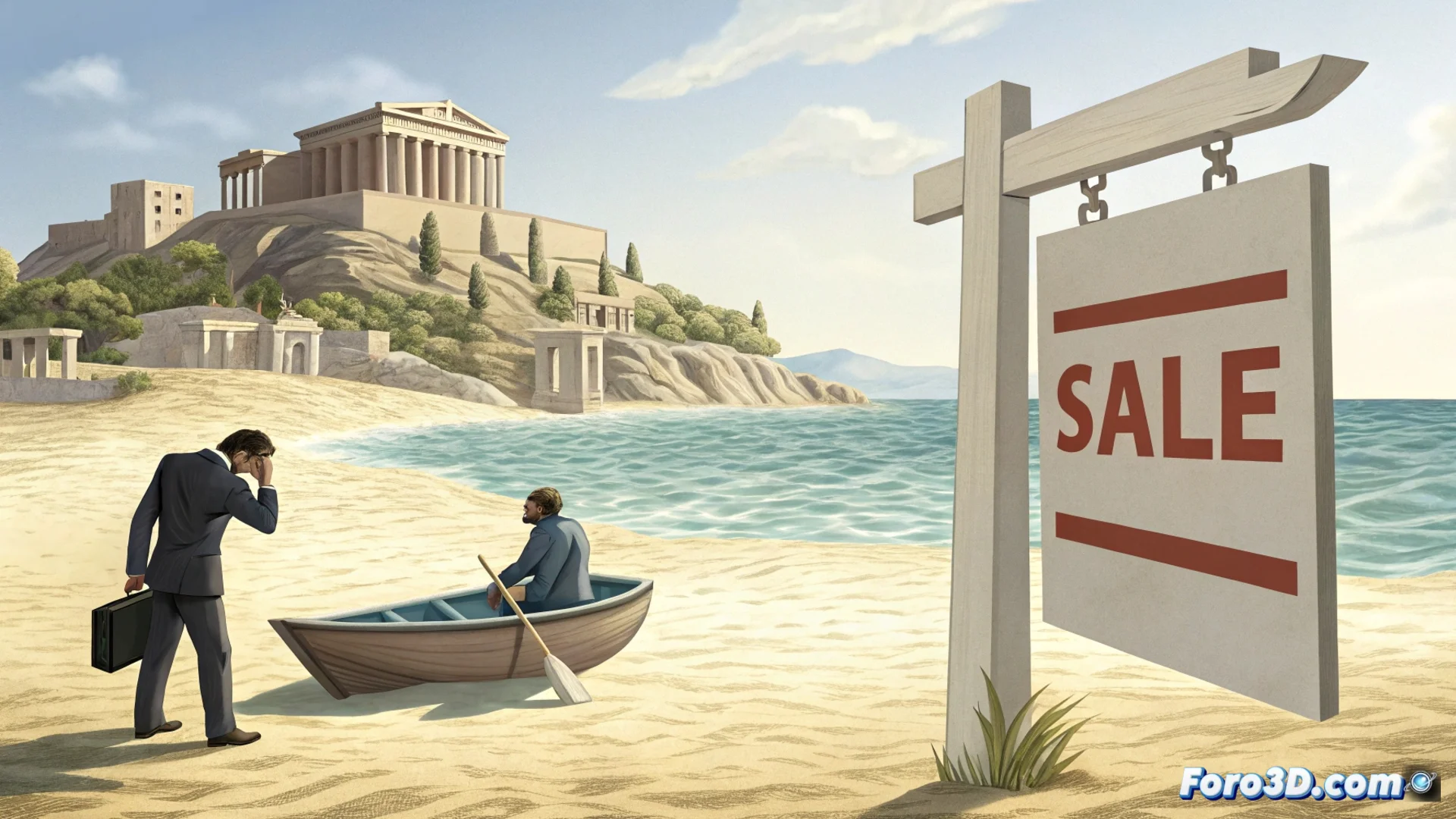
Greece Privatizes Public Assets After Agreements with the European Union
The Greek government is transferring public companies and assets to the private sector to comply with commitments made to its European partners. This process, which has intensified over the last ten years, aims to generate resources to alleviate the sovereign debt and modernize key areas of its economy. The Troika, composed of the European Commission, the European Central Bank, and the International Monetary Fund, structured these financial aid plans that include such measures. Greek authorities argue that attracting private capital is necessary to make services like airports, ports, or electricity supply more efficient. 🏛️
The Scope of Privatizations Covers Strategic Sectors
The catalog of assets for sale includes infrastructures considered of high strategic value. The Port of Piraeus, one of the most important in the Mediterranean, is already operating under majority control of a Chinese corporation. The state electricity company, DEI, and the railway manager, TRAINOSE, have also passed, in whole or in part, into private hands. Even state-owned islands and coastal lands have been made available to investors. Supporters of this process argue that these operations help clean up public finances and transfer the risk of managing complex infrastructures.
Key Assets Transferred:- Port of Piraeus: Operated mostly by a Chinese consortium, it is a crucial node in maritime trade.
- Electricity Company DEI: Its management and ownership have been partially opened to private capital.
- Railway Operator TRAINOSE: It has been sold entirely to a private operator.
It seems that selling the beach where you vacationed as a child now counts as a growth policy.
The Greek Population Perceives a Profound Social and Economic Impact
These measures are sparking intense political and social debate within the country. Numerous citizens observe how basic services increase their prices after changing ownership, while unions regularly call protests. Critics point out that the State loses authority over assets vital to national sovereignty and that they are sold at prices below their real value. The prevailing opinion is that Greece is implementing an economic policy designed from outside, which fosters a sense of loss of autonomy.
Main Consequences of Privatization:- Increase in Tariffs: Users face higher prices in essential services after privatization.
- Union Protests: Workers and unions organize frequent mobilizations against the sales.
- Loss of State Control: The sale of assets considered strategic for the nation is criticized.
A Future Between Financial Stability and Sovereignty
Greece's path illustrates the difficult balance between stabilizing public finances and preserving control over key national resources. While revenues from sales seek to reduce the heavy debt burden, the debate focuses on the long-term cost to the Greek economy and society. The process continues, defining not only the country's economic landscape but also its capacity to decide its own future. 🇬🇷