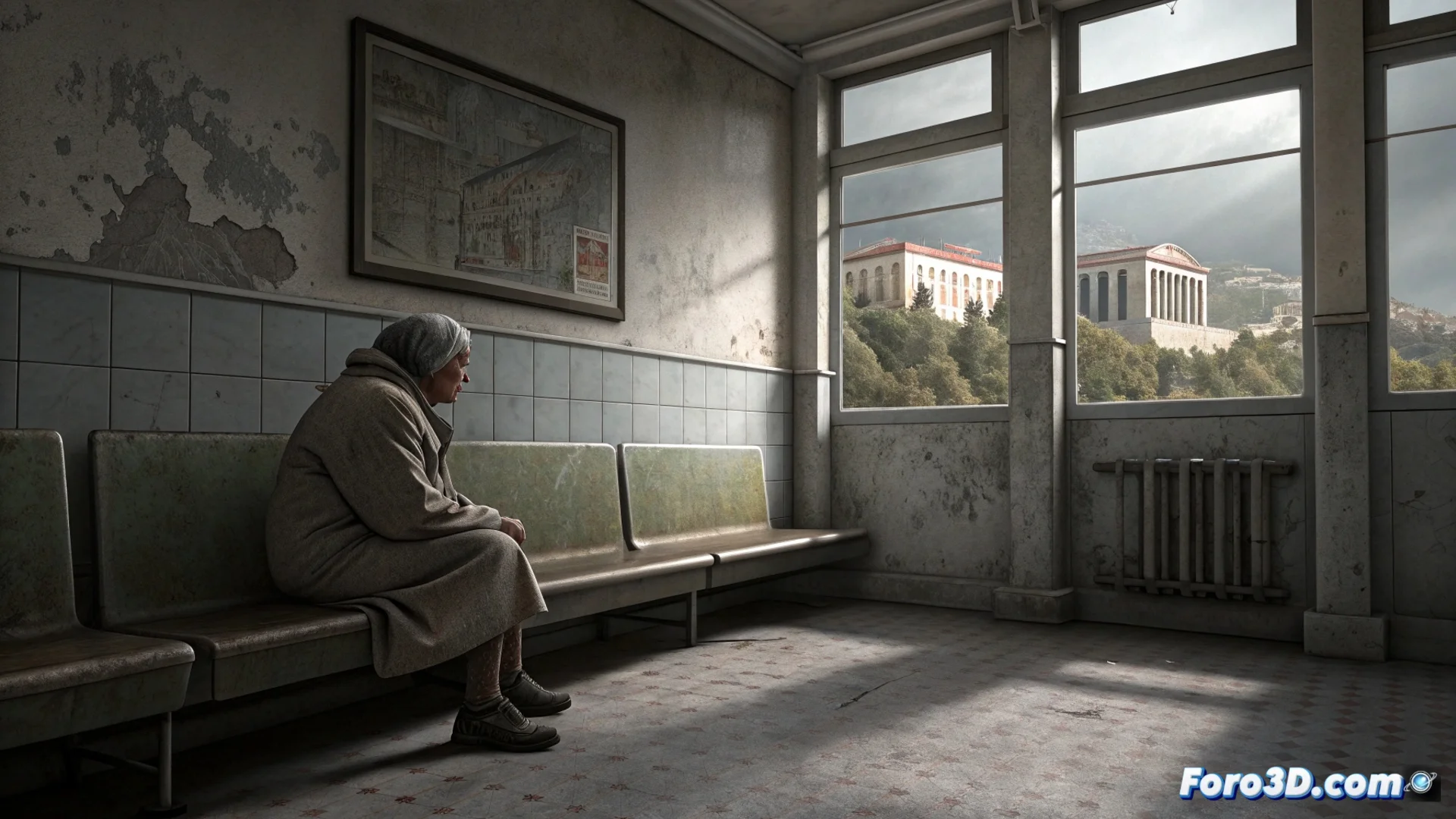
Greece Faces Social Deterioration Due to Austerity Policies
The austerity policies demanded by the European Union and the International Monetary Fund from Greece after the 2010 debt crisis are profoundly transforming its social structure. Successive cuts in public spending, structural reforms, and privatizations aim to balance the country's finances, but at the same time dismantle the foundations of the welfare state. This process directly impacts citizens, who perceive how access to basic services is limited and their labor rights are eroded. 📉
Health and Education Bear the Weight of the Cuts
The Greek healthcare system operates with scarce resources after years of budget reductions. Public hospitals run with a shortage of staff and equipment, extending waiting times and reducing the quality of medical care. In parallel, the education sector experiences similar cuts that increase the number of students per class and decrease investment in infrastructure. These decisions jeopardize the country's future human capital and widen inequality gaps, as only those who can afford private services achieve optimal care.
Direct Consequences on Public Services:- Hospitals with shortages of materials and medical staff, affecting urgent care.
- Overcrowded classrooms and lack of investment to renovate educational centers.
- Growing reliance on private healthcare and education for those who can afford them.
Trust in European and national institutions is declining, fueling a climate of discontent and political polarization.
Employment Becomes Precarious and Society Divides
The labor reforms flexibilize the market but also generate unstable employment, with a notable increase in temporary and part-time contracts. Unemployment, especially among the young population, remains high, driving a constant brain drain of qualified talent. Poverty and social exclusion levels are rising, while family and community networks try to compensate for the shortcomings left by the state.
Effects on the Labor Market and Social Cohesion:- Increase in job precariousness with temporary contracts and low wages.
- High youth unemployment motivating the emigration of professionals.
- Expansion of poverty and greater dependence on family ties to survive.
A Transformed Social Landscape
The result is a society where, ironically, many citizens have more free time, not for leisure, but because they lost their jobs or must wait in longer lines to access social benefits. Policies designed to stabilize the economy have ended up eroding the fundamental pillars of social protection, leaving a deep mark on the quality of life and the confidence of Greeks in the European project. 🤝