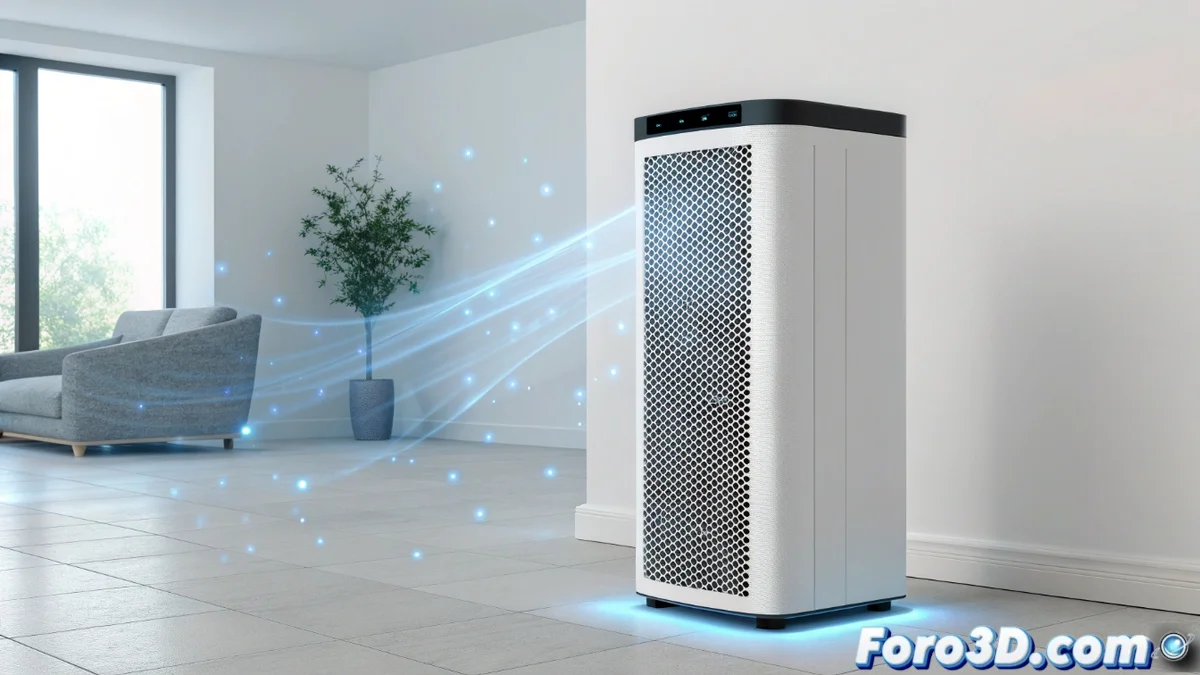
Graphene Air Purifiers: Revolution in Molecular Filtration
Air purification technology has taken a qualitative leap with the incorporation of graphene membranes, a revolutionary material composed of carbon atoms organized in hexagonal patterns that function as sieves at the molecular scale. 🌀
Atomic Filtration Mechanism
These devices leverage the exclusive properties of graphene, including its extraordinary electrical conductivity and massive specific surface area. When air flows through the membrane, the atomically controlled pores selectively block harmful molecules while allowing the free flow of oxygen and beneficial gases.
Main Features:- Capture of contaminants at the nanoscale including viruses, bacteria, and volatile organic compounds
- Regeneration through the application of heat or low electrical current without generating secondary waste
- No consumables required like conventional HEPA filters, reducing maintenance
The ability of graphene to decompose trapped contaminants represents a paradigm shift in air purification
Competitive Advantages Over Conventional Technologies
These systems significantly outperform methods based on activated carbon or ultraviolet light by providing more complete and energy-efficient removal. They do not generate ozone or dangerous chemical byproducts, and their maintenance is substantially lower due to less frequent replacements.
Applications and Scalability:- Integration into smart building ventilation systems and vehicles
- Continuous protection against allergens and pathogens in public spaces
- Real-time implementation for environments requiring high air purity
Impact on Indoor Air Quality
Graphene technology marks a before and after in molecular purification, addressing invisible contaminants that traditional systems cannot capture. Although it represents a significant advancement, its implementation complements but does not replace the need to address broader sources of contamination in our environment. 🌍