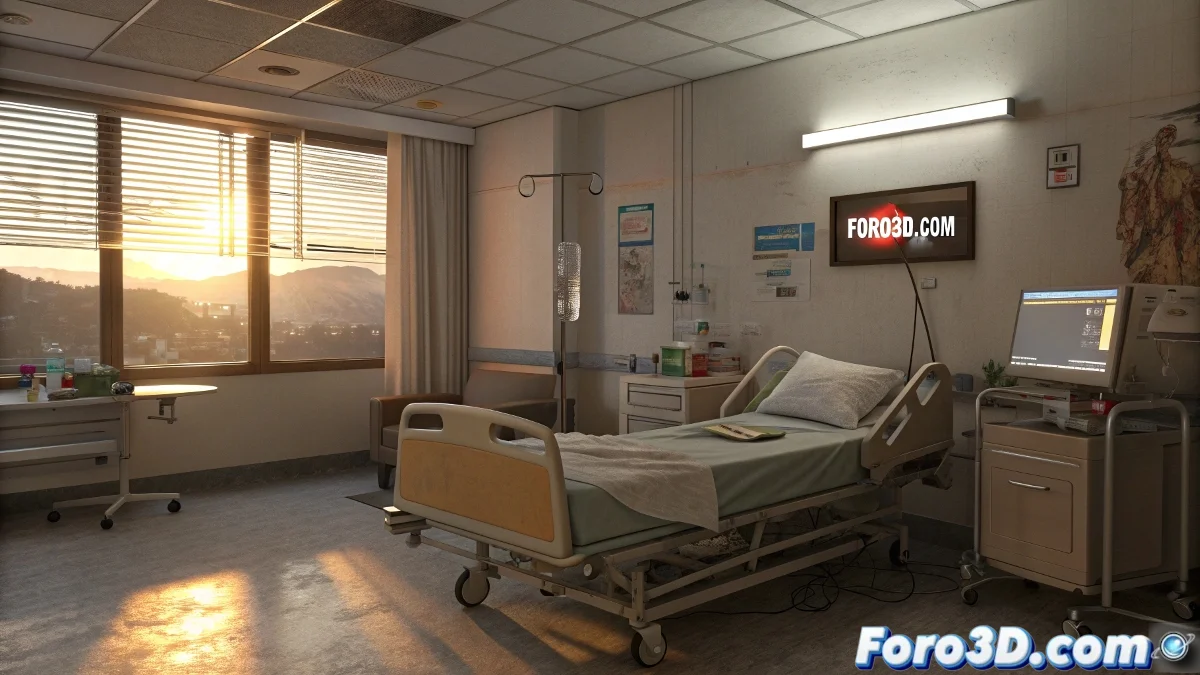
When Medical AI Saves Lives... and 3D Projects
Google has just launched an AI tool that understands human pain better than a sleepy doctor 🩺. But what they didn't expect is that 3D artists would use it to recreate hospital rooms more realistic than life itself. Ironies of the digital age.
From Symptoms to Polygons: The New Workflow
How does this help 3D modeling? More than you think:
- Ultra-precise references: Forget searching for "generic wheelchair". Now you can find the exact model used in Hospital X, with its characteristic scratches.
- Real emotions: The AI gathers patient testimonials. Perfect for animating believable facial expressions in your medical characters. 😷
- Details that matter: Those wear marks on the MRI scanner buttons that no one notices... until they're missing.
A hospital without the typical peeling poster in the corner is like a 3D model without a bump map: technically correct but emotionally empty.
Survival Kit for Medical Artists
For realistic projects, combine this AI with:
- MedModelBuilder (free Blender add-on)
- Medical textures from Substance Painter
- The "Hospital Essentials" collection from TurboSquid
And don't forget the star detail: that hallway fluorescent light that flickers as if sending SOS signals. Because realism sometimes hurts more than surgery without anesthesia. 💡
Rendering with Medical Diagnosis
When your scene is ready, remember: if Google's AI can diagnose appendicitis, it probably also notices if your medical lighting is unconvincing. The upside: at least your UV mapping errors won't show up in an MRI. 🎨
So go ahead, model that perfect operating room. And if the AI suggests adding more coffee stains to the reports, listen to it. Medical realism specialist, at your service.