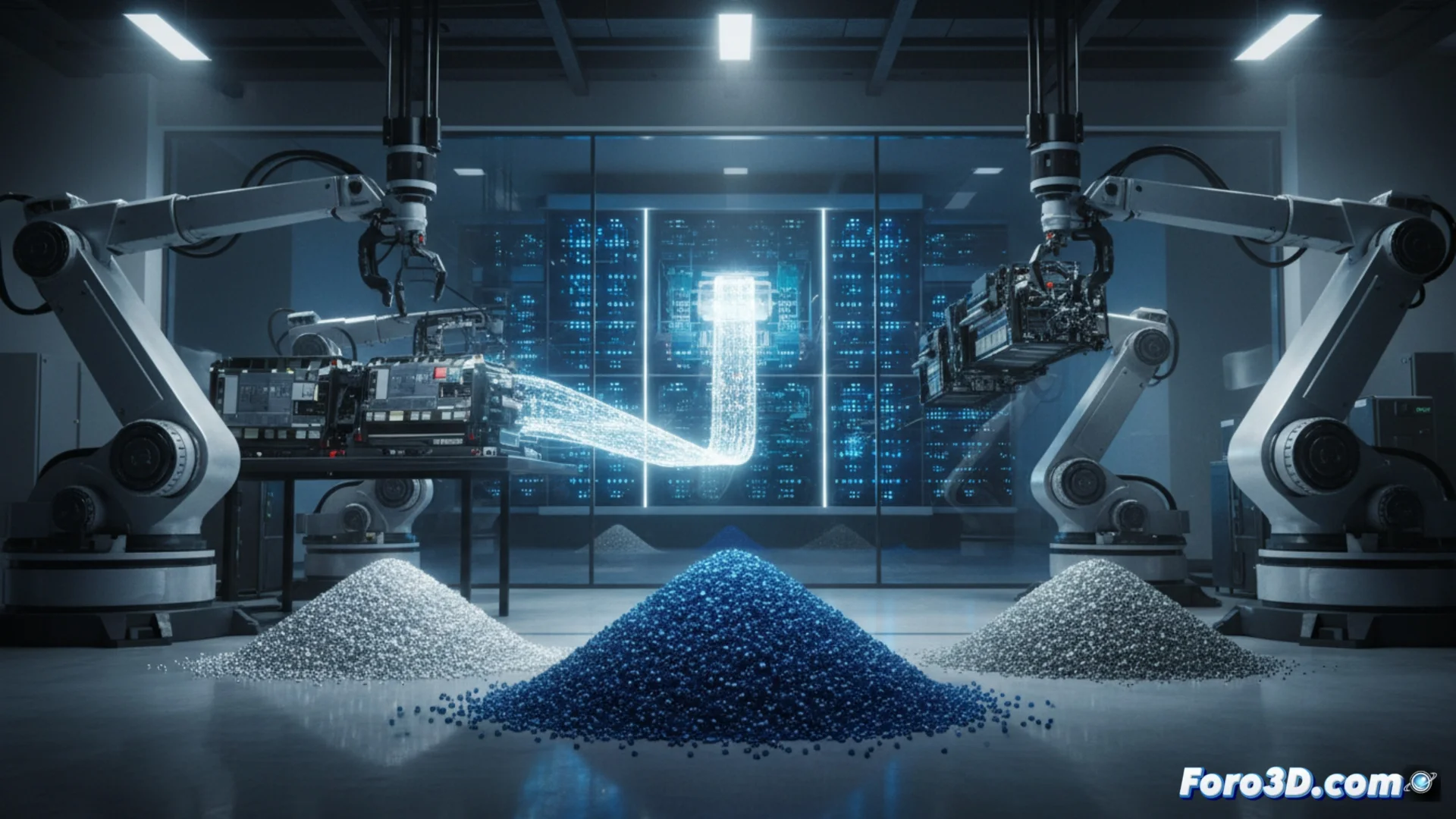
Google and Redwood Materials Invest 425 Million to Recycle Batteries and Power AI
A joint project with a massive investment seeks to transform how we manage technological waste. Google and Redwood Materials have joined forces in an initiative valued at 425 million dollars, focused on recovering valuable components from depleted batteries. The goal is to give them a second life, boosting both the manufacturing of new accumulators and the powerful computing that artificial intelligence needs. ♻️⚡
A Strategy to Close the Materials Loop
This investment is not an isolated event, but part of a broader plan to promote a circular economy. Google aims to stimulate and expand battery recycling infrastructure in the United States, collaborating closely with industrial sector partners. The ultimate goal is to close the loop on critical materials, ensuring a more stable and less harmful supply flow for the planet. At the same time, this action supports the growth of high-energy computing demanded by AI services.
Key Pillars of the Project:- Recover Precious Metals: Extract lithium, nickel, and cobalt from used batteries in electric vehicles and electronic devices.
- Reuse on Two Fronts: The materials are used to manufacture new batteries and to power data centers.
- Reduce Dependency: Decrease the need to extract virgin raw materials and the associated emissions from that process.
This initiative demonstrates how industry can address two challenges at once: managing electronic waste and fueling the growing demand for data processing.
Recycling as the Foundation of Future Computing
The effort establishes a direct link between environmental sustainability and tomorrow's technological needs. By rescuing and reusing metals from spent batteries, pressure on traditional supply chains, which rely on mining, is alleviated. In this way, a more resilient materials base with a significantly lower ecological footprint is built.
Direct Impacts of the Initiative:- Mitigate Extractive Pressure: Mining exploitation for new resources is reduced.
- Create Resilience: The supply chain is strengthened by having a secondary source of materials.
- Connect Sustainability and Technology: A waste problem is solved while fueling innovation.
A Future Where Waste Fuels Innovation
This plan symbolizes a paradigm shift: today's waste is tomorrow's fuel. The collaboration between a tech giant and a recycling specialist shows that the ecological transition and the digital revolution can, and must, go hand in hand. Thus, that old mobile phone you have in a drawer could end up contributing, in a very tangible way, to generating the next big innovation in artificial intelligence. 🔋🤖