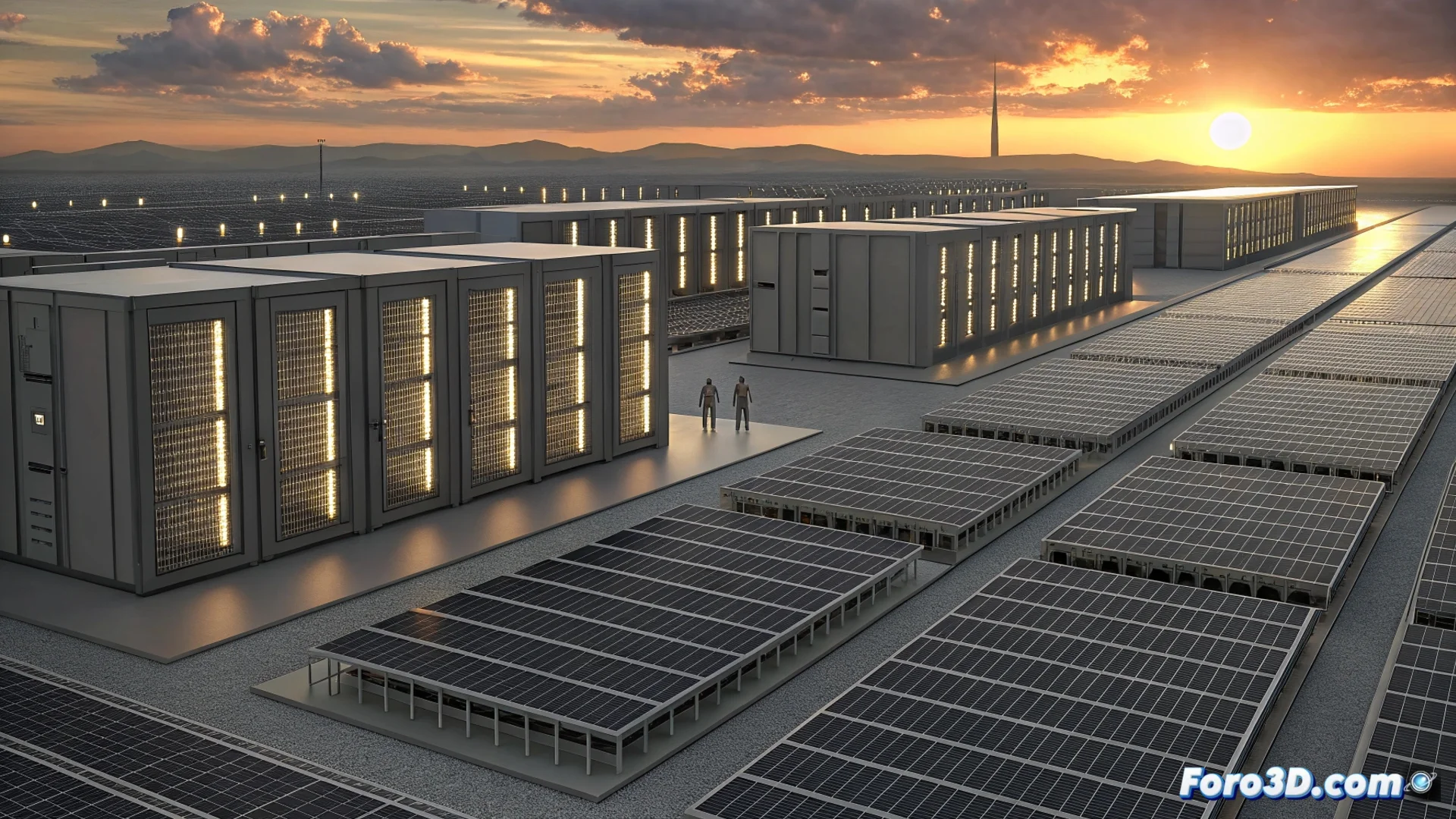
Google Acquires Intersect Power to Power Its AI Infrastructure
The tech giant Google has confirmed the acquisition of the renewable energy company Intersect Power for an amount of 4.75 billion dollars. This strategic move has a clear objective: ensure a stable, clean, and direct electricity supply for its vast data centers. The demand for power to process artificial intelligence tasks is growing at an accelerated pace, forcing big tech companies to control their own energy resources. 🔋
A Direct Response to AI's Energy Thirst
Current artificial intelligence models consume enormous amounts of electricity, both for training and running. By integrating an energy provider like Intersect Power, Google not only aims to secure capacity but also to meet its ambitious goals of using carbon-free energy 24 hours a day. The company states that this acquisition is a key step to manage future costs and reliability of its electrical grid, a factor that is becoming increasingly critical for its core business.
Key Details of the Operation:- Acquisition Amount: 4.75 billion dollars.
- Main Objective: Secure clean and stable electricity supply for data centers.
- Intersect Power's Activity: Develops and operates large-scale solar and battery storage projects in the United States.
The boundary between technology and energy is blurring, as computational power becomes a resource as strategic as the electricity that makes it work.
A Trend Marking the Tech Sector
This operation is not an isolated event, but reflects a broader trend in the tech sector. Other companies like Amazon and Microsoft are also making multimillion-dollar investments in renewable energy for their cloud operations. However, Google's move stands out for its scale and for being a direct acquisition, rather than relying on power purchase agreements with third parties. Analysts observe how the need for power is redefining corporate strategies.
Implications of This Trend:- Direct Control: Tech companies seek to own or directly control their energy sources for greater security and cost management.
- Zero Carbon Commitment: Investments in renewables are crucial to fulfill corporate sustainability promises.
- Sector Convergence: Technology companies are becoming, de facto, major players in the energy sector.
The Energy Paradox of Artificial Intelligence
There is an evident paradox in the AI ecosystem: while users consult these systems about climate change, the AIs themselves consume an ever-larger portion of the global electrical grid. The industry is trying to resolve this dilemma by massively investing in the sun and wind. Google's acquisition of Intersect Power is a tangible example of how companies seek to align their technological growth with environmental sustainability, although the road ahead is still long. 🌍⚡