When Reality Becomes Optional
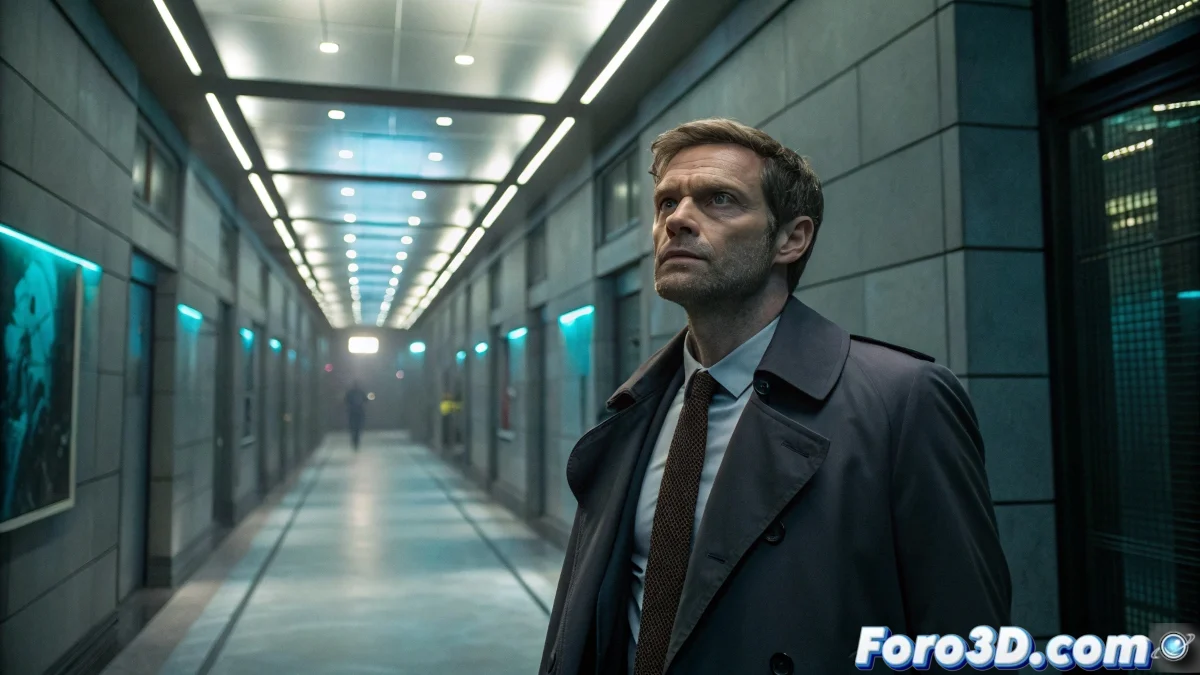
In the fourth season of Goliath, Pixomondo proved that a legal drama can need more visual effects than a superhero movie 🎭. The studio transformed Billy Bob Thornton's already murky world into a shattered mirror of digital paranoia, where every effect reveals more about the protagonist's mind than the dialogues.
Ingredients for Convincing Distortion
Pixomondo's psychological toolkit included:
- Nightmare modeling to turn normal offices into architectural cages
- Nuke compositing that played hide-and-seek with reality
- Emotional lighting where every shadow told a visual lie
The most surreal moment (even for them): when a distortion glitch turned the protagonist into a giant potato for a few frames. Unintentional abstract art.
How to Replicate This Effect in Blender
- Distortions: Use the Displace modifier with procedural textures
- Transitions: Animation of shader and geometry parameters
- Atmospheres: Volumetrics with dramatic lighting
The Visual Language of Paranoia
The most innovative technical resources:
- Geometric projections that made walls grow
- Impossible reflections that contradicted the laws of physics
- Liquid transitions where time and space lost sense
The result was so effective that viewers wondered if they were taking something or if it was the effects... and that was precisely the goal 🍸.
Lessons for Distorting Realities
This project teaches that:
- The simplest effects can be the most psychological
- Digital lighting is the best storyteller
- Sometimes a technical glitch becomes inspiration
So the next time you watch a legal drama, remember: behind every intense close-up there might be a VFX artist subtly manipulating your perception... or accidentally turning the lawyer into a tuber 🥔.