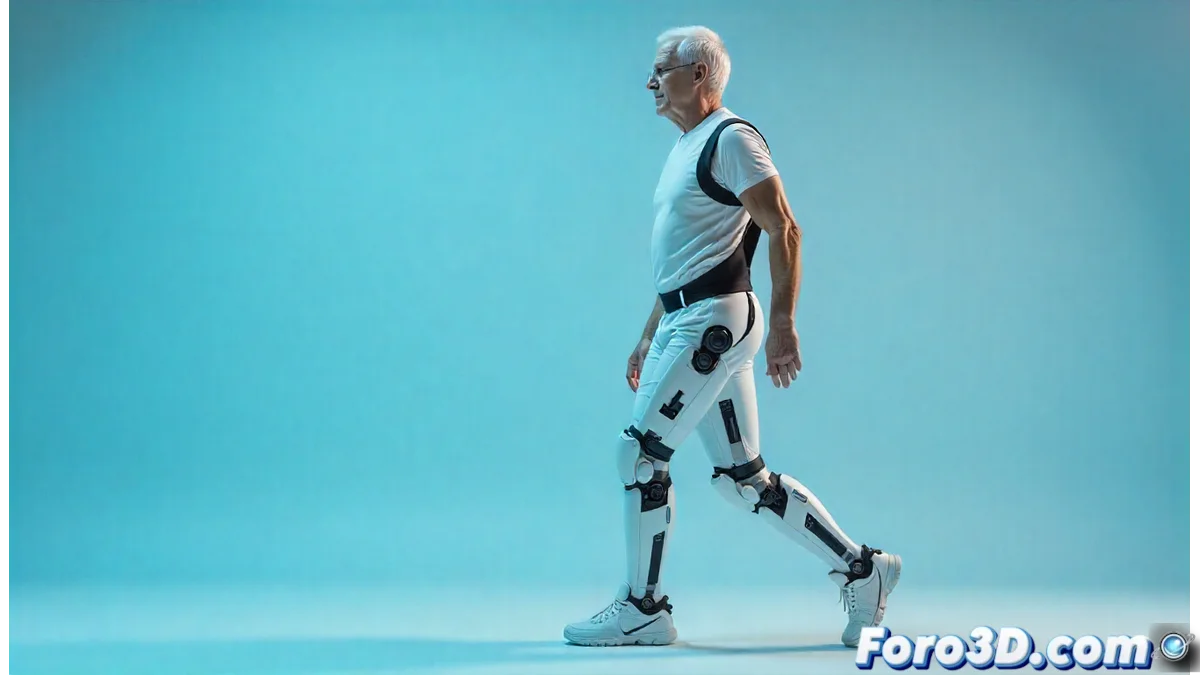
Gogoa Mobility Robots presents HANK: Neurological Rehabilitation Exoskeleton
The technology company GOGOA Mobility Robots has developed HANK, a revolutionary rehabilitation exoskeleton specifically designed for lower extremities, aimed at patients suffering from various types of neurological injuries. This cutting-edge device allows users to progressively regain mobility through fully customizable gait patterns, precisely adapting to each individual's specific needs 🦿.
Advanced Customization of Gait Patterns
The HANK system stands out for its ability to dynamically adjust gait patterns according to the patient's specific condition, thus enabling a more precise and effective rehabilitation process. Specialized therapists can modify multiple biomechanical parameters to optimize each therapy session.
Configurable Parameters:- Step Length: Millimetric adjustment to adapt to each patient's range of motion
- Gait Speed: Progressive control that allows increasing intensity according to progress
- Lift Height: Customization of step height to prevent tripping and improve stability
This configuration flexibility not only optimizes therapeutic outcomes but also significantly reduces the risk of complications during the recovery process
Innovative Technology in Neurological Rehabilitation
HANK incorporates a sophisticated network of advanced sensors and intelligent algorithms that continuously monitor the patient's progress in real time, generating valuable data for precise therapy adjustments. It is specifically designed to treat various highly prevalent neurological conditions.
Main Therapeutic Applications:- Strokes: Recovery of motor function after stroke
- Spinal Cord Injuries: Rehabilitation in cases of spinal cord damage
- Multiple Sclerosis: Improvement of mobility in neurodegenerative diseases
Impact on Patients' Quality of Life
The documented benefits include greater independence for users, reduction in dependence on constant human assistance, and a significant decrease in overall recovery time. Additionally, its ergonomic design ensures maximum comfort during prolonged use sessions, facilitating adherence to treatment 🤖.
Reflection on the Future of Technology in Rehabilitation
With the unstoppable advancement of robotic technology in the healthcare field, curiosity arises about how far these systems could complement or even take on traditionally human functions. Will the day come when an exoskeleton requests contractual improvements for performing physiotherapist tasks? This humorous reflection invites us to consider the fascinating future that technological integration in medicine holds for us 🚀.