
The Cultural Phenomenon of a Cinematic Icon
Since its appearance in 1954, Godzilla has evolved from a simple cinematic creature to a globally recognizable symbol. This Japanese titan achieved an exceptional milestone by receiving a star on the Hollywood Walk of Fame, equaling real show business figures. Its relevance persists through decades, demonstrated by recent successes like the Monsterverse productions and the acclaimed Godzilla Minus One.
A Titan That Crosses Universes
Godzilla's ability to integrate into diverse narratives distinguishes it from other characters. The rights holders have allowed unthinkable collaborations, where the kaiju has interacted with:
- DC superheroes like Batman and Superman
- The iconic Power Rangers
- Marvel characters on multiple occasions
- Unexpected animated productions
These encounters demonstrate the character's narrative flexibility and its ability to adapt to different tones and styles.
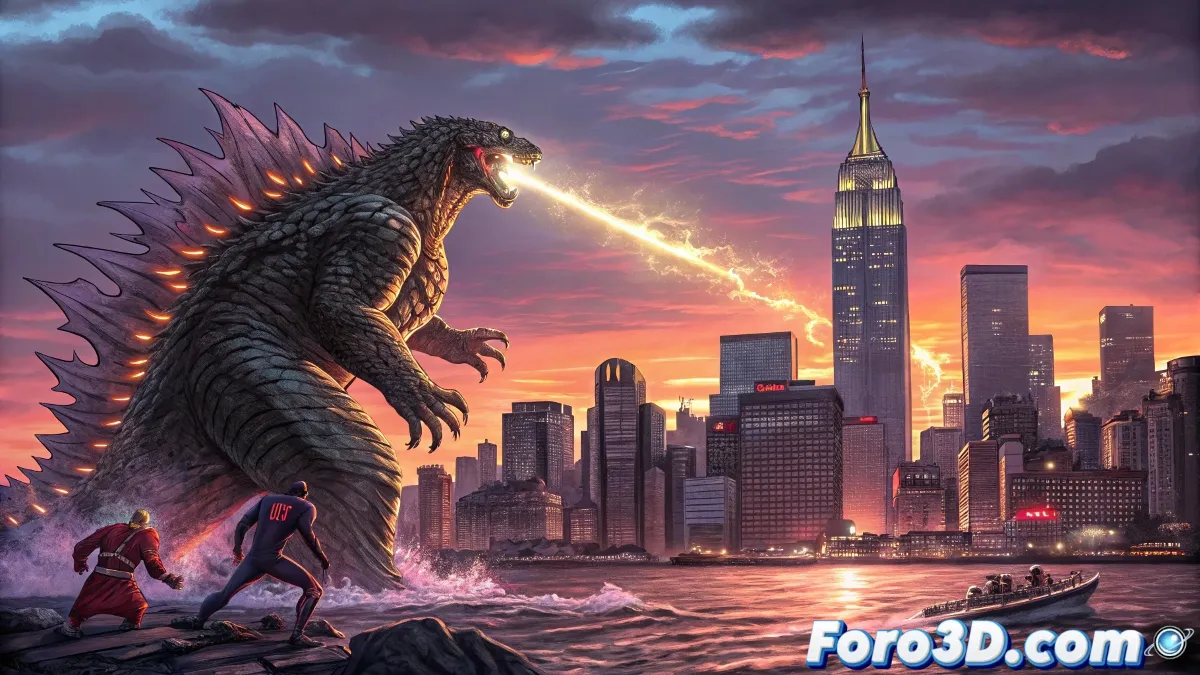
Its Footprint in the Comic World
Marvel Comics marked a milestone by incorporating Godzilla into its main universe during the 1970s. For two years, readers enjoyed memorable showdowns against figures like the Avengers. As a comic historian noted:
"Godzilla's run at Marvel set a precedent for later crossovers, showing that characters from different origins could coexist organically."
Collaborations That Defy Expectations
The recent crossover between DC and the Monsterverse has produced iconic moments, such as Kong wielding a Green Lantern ring. These projects evidence the creative potential that emerges from mixing universes, offering fans encounters that previously only existed in the imagination.
Perspectives on an Enduring Icon
Godzilla's trajectory suggests that its reign is far from over. Each new interpretation, whether in film, television, or comics, brings fresh dimensions to the character while preserving its fundamental essence. This combination of innovation and tradition ensures its permanent place in global popular culture.