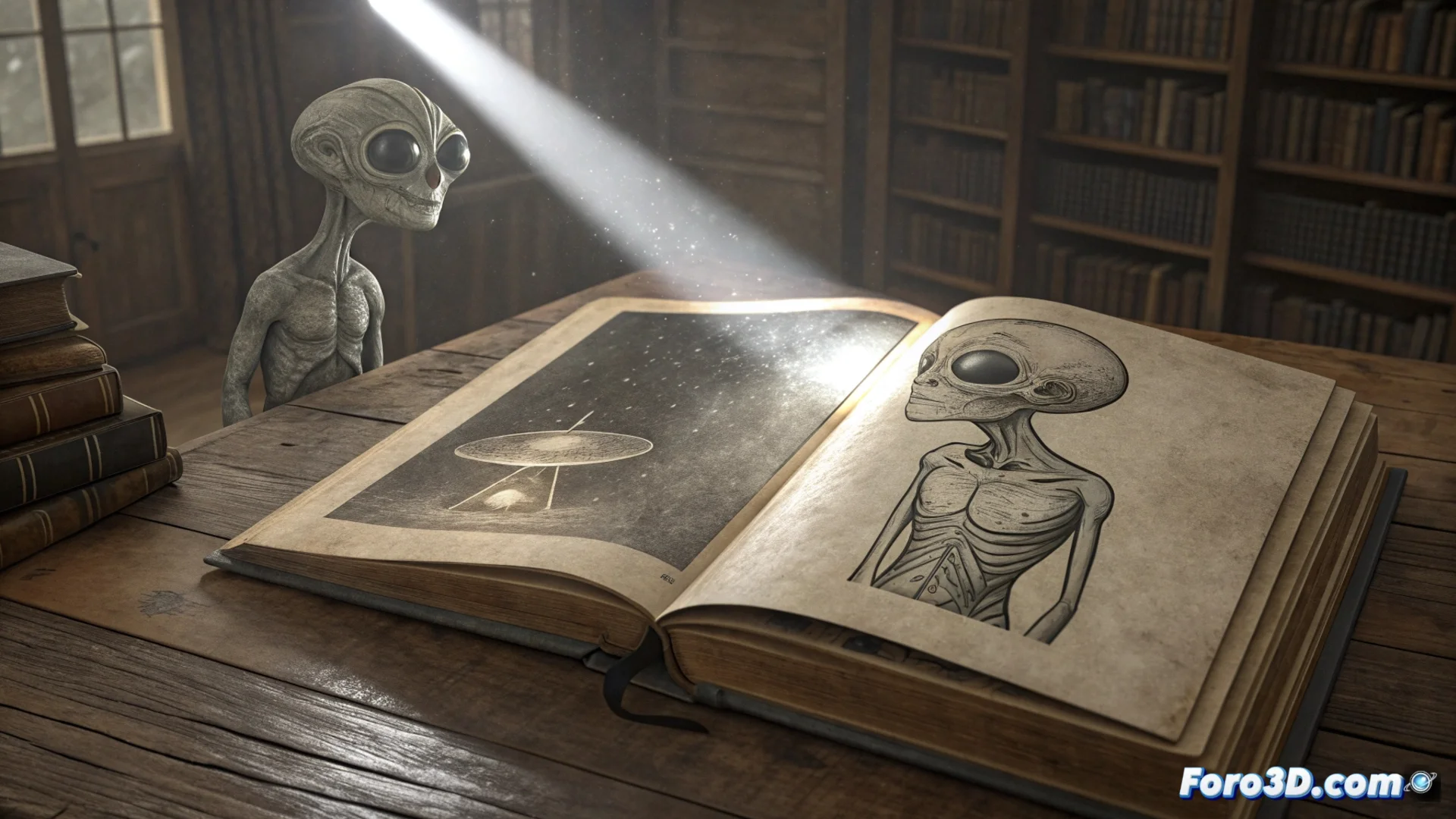
Gods, Gachas and Goblins: an encyclopedia of intermediate beings
Andy Paciorek compiles in Gods, Gachas and Goblins a vast catalog of entities that populate the world's oral traditions. The work serves as a guide to explore that narrative territory where fairies, goblins, and similar beings dwell. Its approach prioritizes documenting over speculating, offering a solid foundation for anyone who wants to investigate 🧚.
A map to navigate global folklore
The book's main value lies in how it organizes the information. Paciorek not only lists creatures but traces their traces across different cultures and eras. It presents these figures as phenomena with a persistent narrative basis, beyond considering them mere legends. The methodology is purely mythographic, avoiding delving into unverified theories.
Key features of the compendium:- Compiles a huge variety of entities from worldwide folk traditions.
- Focuses on minor gods and creatures from the intermediate world, often overlooked.
- Organizes the data so that the reader can follow connections and patterns autonomously.
The book might make you look twice at that noise in the attic: it could be the wind or a Scottish redcap looking for its cap.
Links between ancient myth and the modern phenomenon
A central thesis of the work proposes significant parallels between these folkloric beings and the entities described in contemporary UFO accounts. Paciorek points out similarities, for example, between gray aliens and certain goblins or genies from ancient traditions. This approach places him in the line of researchers like Jacques Vallée and John Keel.
The book as a research tool:- Functions as a map that guides through a complex and scattered mythological territory.
- Does not attempt to prove an ultimate truth, but to show connections so that the reader can form their own conclusions.
- The tone is objective and descriptive, ideal for anyone who wants to investigate these links on their own.
A resource for thinking about persistent narratives
More than offering definitive answers, Gods, Gachas and Goblins provides the raw material for thinking. By documenting extensively, it allows observing how certain archetypes of beings and encounters repeat throughout human history. The work is, essentially, a mine of information for anyone who wishes to understand how we construct and transmit these liminal experiences 🌌.