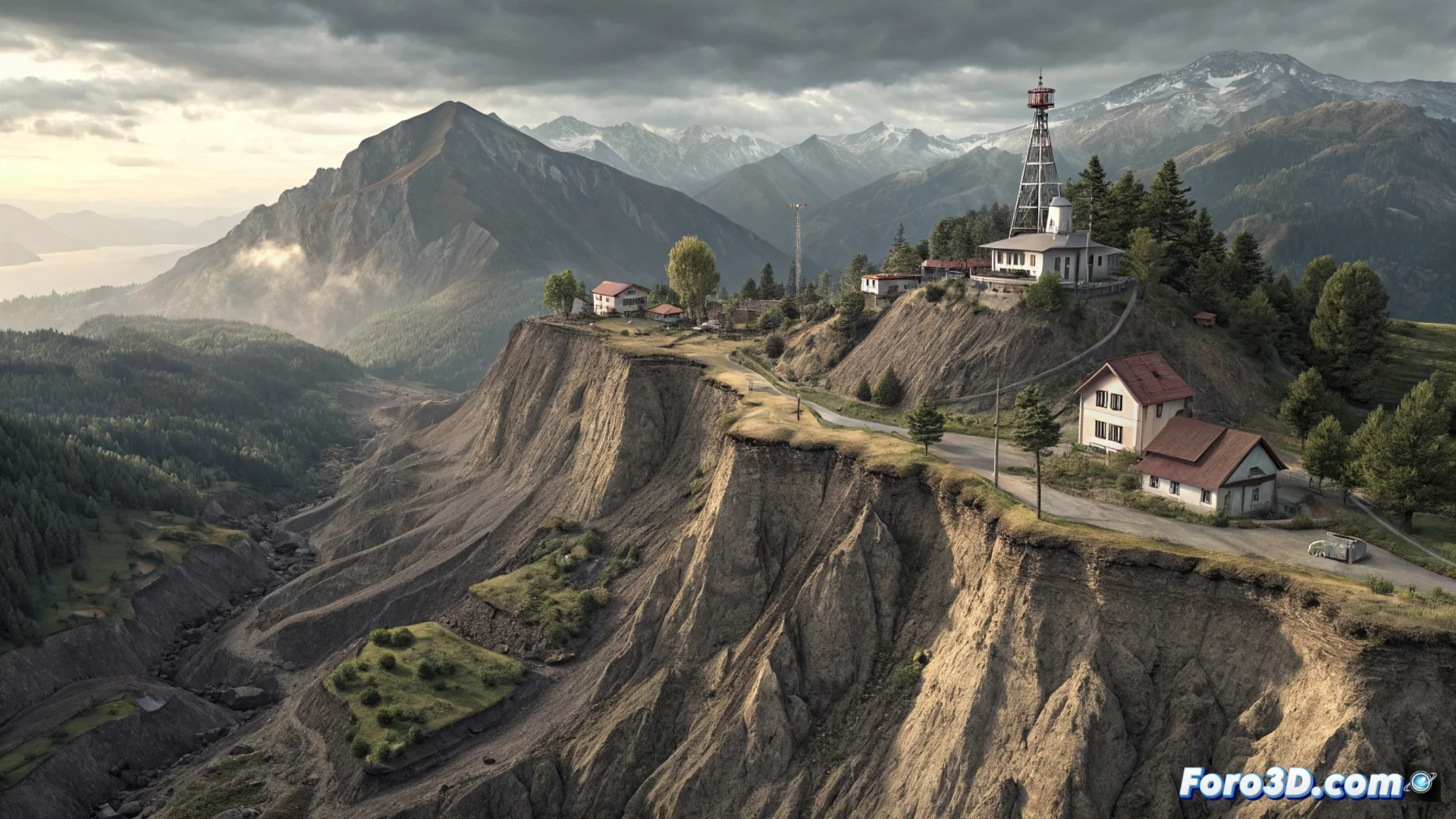
Glacier Collapse in the Swiss Alps Triggers Massive Landslide
This year, a glacier in the Swiss Alps collapsed, initiating a large-scale landslide in the Blatten area. Thanks to monitoring systems that detected the movement in advance, residents were able to be evacuated safely. This event, although it did not end in catastrophe, reveals a growing danger for alpine communities as ice disappears and permafrost melts. 🏔️
Monitoring Technology Saves Lives
After the ice collapse, authorities deployed a network of precision sensors on the mountain. These devices, which include inclinometers and GPS receivers, track millimeter changes in the ground. Upon recording a dangerous acceleration in the slide, alarms activated automatically. Emergency teams had several hours to clear the area and block access before the slope gave way completely. This effective protocol now serves as a reference for other vulnerable areas. ⚠️
Key Elements of the Alert System:- GPS Sensors: Measure the exact displacement of the terrain.
- Inclinometers: Detect the slightest changes in the slope's inclination.
- Evacuation Protocols: Activate automatically when critical movement thresholds are exceeded.
The mountain is no longer just an imposing backdrop, but an unstable neighbor that requires constant vigilance.
Communities Face a Complex Future
High-mountain villages now must adapt to a new geological risk. Planning where to build, reinforcing roads and bridges, and keeping alert systems operational represents a huge logistical and financial challenge for small populations. Experts warn that these events will likely repeat with greater intensity. The uncertainty about which slopes may fail and when makes protecting inhabitants an extremely difficult task. 🛡️
Main Challenges for Adaptation:- Replanning Urban Development: Avoid building in areas that are now unstable.
- Reinforcing Critical Infrastructure: Protect roads, power lines, and water supplies.
- Sustaining Monitoring Systems: Maintain and fund sensor networks and response teams in the long term.
A Landscape Changing Identity
There is an evident paradox: these majestic landscapes that attract tourism and sustain the local economy have transformed into the main threat to their own residents. The alpine beauty that defines the region is now tied to a latent danger. The need for constant monitoring of the terrain has become an inseparable part of life in the valleys, marking a new era in the relationship between humans and the mountain. 🔄