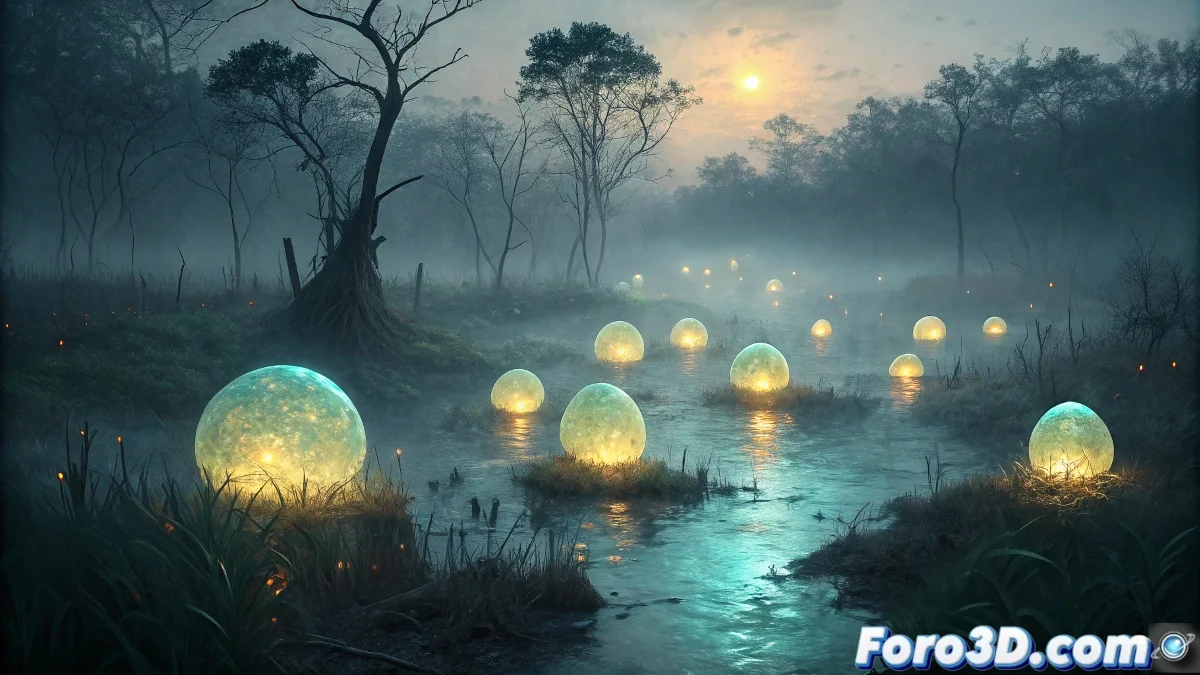
The Science Behind the Lights
The mystery that has surrounded ghost lights for centuries is finally being unraveled by contemporary scientific research. 🔬 These luminous phenomena, known internationally as will-o'-the-wisps, are the result of natural chemical processes that occur in wetlands and swampy areas. The decomposition of organic matter generates a mixture of gases such as phosphine, diphosphine, and methane that, upon contact with atmospheric oxygen, can combust spontaneously. This reaction produces small flames in bluish and greenish tones that appear to float and move capriciously over the terrain. Environmental factors such as temperature, humidity, and soil chemical composition determine the intensity, coloration, and persistence of these fascinating luminous manifestations.
Historical and Cultural Significance
Before science could explain their origin, ghost lights held a prominent place in the collective imagination of numerous cultures around the world. In European folklore, they were considered mischievous spirits that tried to disorient nighttime travelers, leading them along dangerous paths or toward natural traps. Other traditions interpreted them as omens of future events or indicators of hidden treasures waiting to be discovered. These narratives, though lacking scientific basis, reflect the deep impression these phenomena made on those who witnessed them, contributing to a rich repertoire of legends and superstitions passed down through generations.
Upon contact with the air's oxygen, these gases can ignite spontaneously
Implications of the Findings
The scientific understanding of ghost lights transcends mere academic interest or the demystification of ancestral legends. The detailed study of these phenomena provides valuable information on the biogeochemical processes occurring in wetlands, ecosystems crucial for planetary health. Monitoring gas emissions in these areas contributes to a better understanding of global methane cycles, a gas with significant greenhouse effect. Additionally, research on the spontaneous combustion of these compounds could have applications in diverse areas such as industrial safety and the development of new energy sources.
Recreation in After Effects
For visual artists and motion graphics designers, ghost lights represent a fascinating creative challenge. After Effects offers the perfect tools to capture the ethereal essence and unpredictable movement of these natural phenomena. A convincing recreation requires combining particle techniques, dynamic lighting, and color treatment to evoke that supernatural quality that has fascinated humanity for millennia.
Base Composition Setup
Creating a convincing scene begins with establishing a solid visual base that serves as context for the luminous phenomenon. The environment must suggest the appropriate atmosphere from the start.
- Nighttime Composition: Set up a comp with appropriate dimensions and frame rate for smooth animation
- Atmospheric Background: Create solids with subtle gradients that simulate the darkness of a nighttime wetland
- Visual Depth: Establish multiple planes with different levels of blur and contrast
- Environmental Elements: Incorporate static elements like vegetation or subtly animated water reflections
Particle System for Lights
The heart of the recreation lies in setting up the particle system that will generate the ghost lights. The naturalness of the movement is crucial for realism.
- Implementation of Trapcode Particular or CC Particle World for luminous particle generation
- Setup of continuous emission with variable rates to simulate spontaneous appearance
- Adjustment of physics parameters for erratic movement and natural floating
- Variation of sizes and shapes to avoid evident repetitive patterns
Lighting Treatment and Coloration
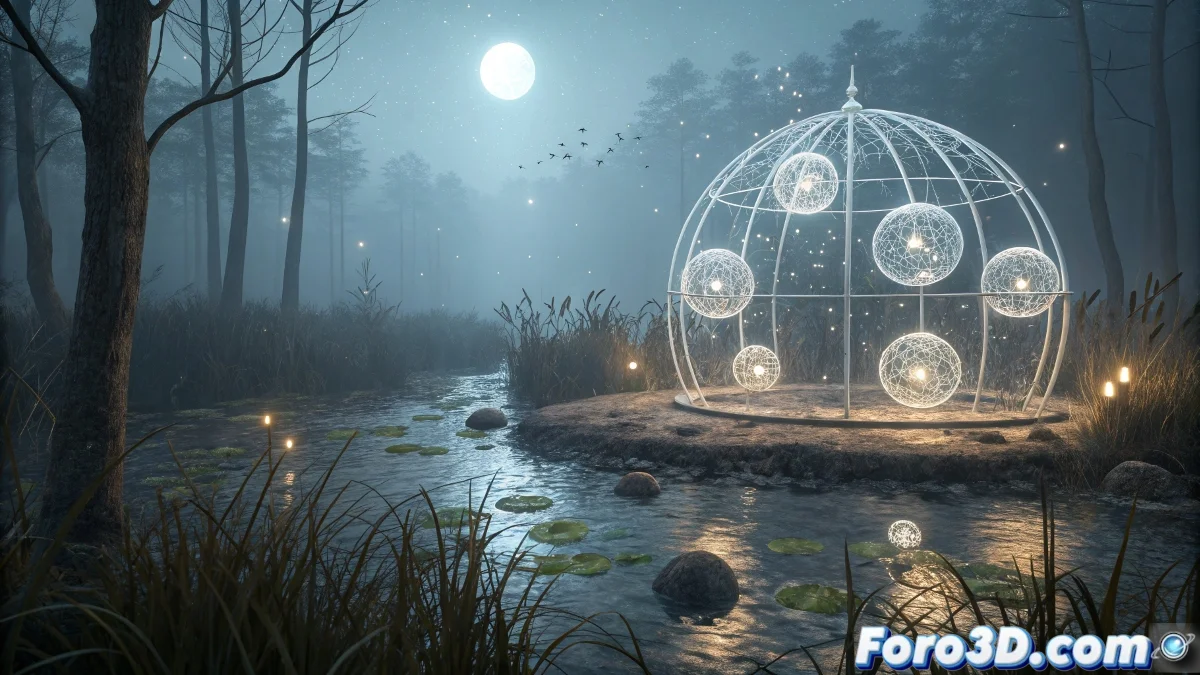
The visual appearance of the lights must reflect the specific characteristics described by science and folklore. Color and intensity are key to authenticity.
- Application of colors within the characteristic blue-green spectrum of these gases' combustion
- Implementation of Glow effects with different intensities to create the characteristic aura
- Temporal variation of luminosity using expressions to simulate natural flickering
- Use of blending modes like Add or Screen for realistic integration with the background
Animation and Behavior
The movement of the lights is what truly defines their ghostly and mysterious character. The animation must avoid regular or predictable patterns.
- Implementation of wiggle expressions for organic and unpredictable movement
- Opacity keyframes to simulate progressive appearance and fading
- Animation of particle parameters to vary intensity and behavior over time
- Creation of multiple layers with different timing to avoid artificial synchronization
Integration and Post-Production
The finishing touches are what unify all elements and seal the illusion of reality. Post-processing adds cohesion and atmosphere.
- Application of directional blur effects to suggest movement and depth
- Inclusion of subtle volumetrics to create a sense of ambient humidity
- Adjustment of overall color grading to unify the chromatic palette of the entire scene
- Incorporation of ambient sound elements for a complete multisensory experience
While science explains the chemistry behind the phenomenon, After Effects artists demonstrate that some natural truths look better when we animate them with a touch of digital magic. ✨ Because, let's be honest, what would be more fascinating than a visual effect that nature has been perfecting for millennia?