Ghent University develops a soft exoskeleton for the back
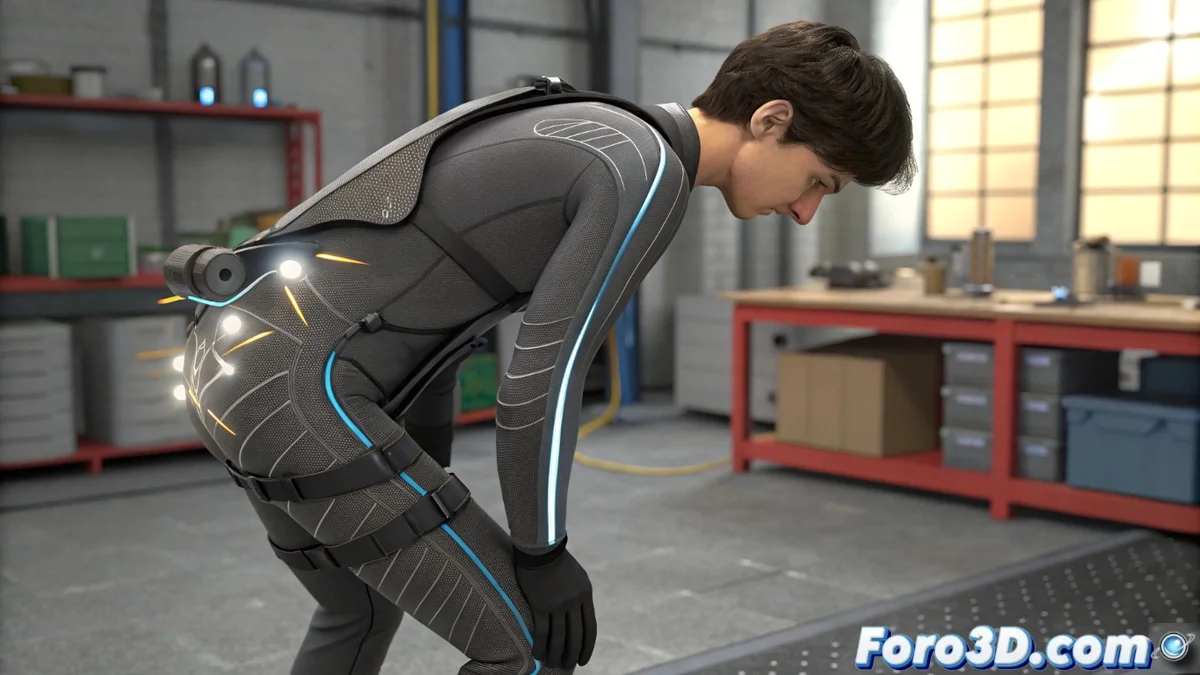
A team from Ghent University has presented a new concept in robotic assistance for the back. It is the Exo-Skin, a soft exoskeleton that focuses on protecting the lumbar area, moving away from conventional rigid designs to imitate a second skin. 🦾
Custom manufacturing with 3D printing
The key to this system lies in its production method. The team manufactures each unit using 3D printing, which allows the device to be adapted to the specific anatomy of each user. They use elastic and textile materials that integrate with the body without restricting the wearer's natural range of motion.
Technical features of Exo-Skin:- Flexible structure: Combination of fabrics and elastomers that fit like a garment.
- Activation mechanisms: Incorporates pneumatic or cable systems that can be activated to assist the muscle in specific movements.
- Total customization: Each exoskeleton is 3D printed according to the user's measurements for an optimal fit.
It seems that the solution for back pain no longer just involves strengthening the muscles, but printing them in 3D and wearing them on top.
Objective: Reduce the load on the lower back
The device's main function is to mitigate fatigue in the lumbar musculature. It achieves this by providing an adjustable external support that helps the spine withstand less tension during demanding activities.
Potential areas of application:- Industrial environments: For workers who perform repetitive tasks of lifting weights or maintaining forced postures.
- Healthcare sector: Assistance for nursing staff or caregivers during patient transfers.
- Physical rehabilitation: As support in back injury recovery processes.
A different approach to ergonomics
This development represents a paradigm shift by prioritizing soft adaptability over structural rigidity. By combining 3D printing with flexible materials, Exo-Skin seeks to be a preventive tool that is used comfortably and discreetly, integrating assistance technology directly into work or therapeutic clothing. 🤖