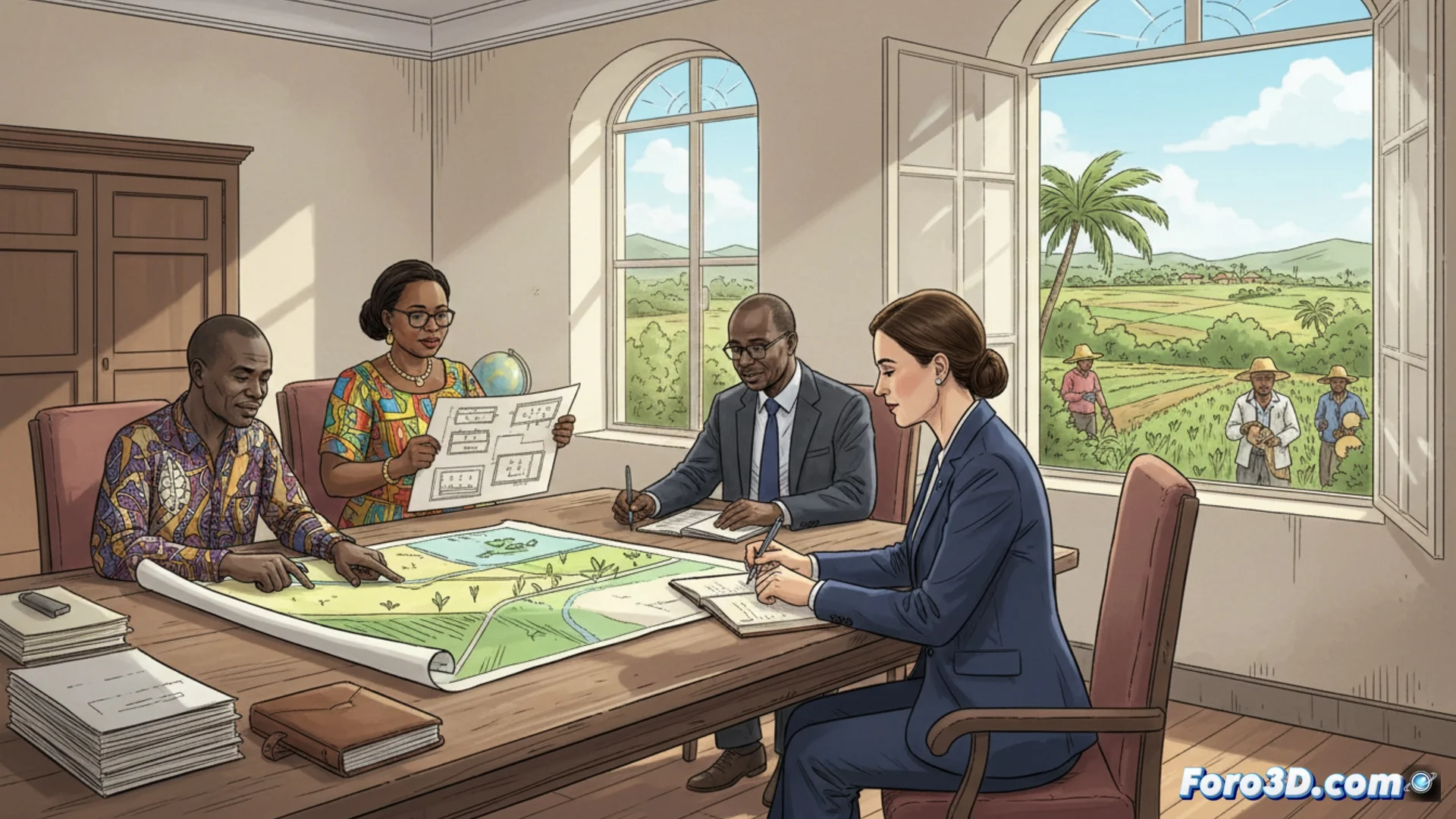
Germany strengthens its cooperation strategy in Sierra Leone
The German Minister for Economic Cooperation and Development, Reem Alabali Radovan, is in Sierra Leone to promote the new roadmap of her government. This initiative, which Berlin calls building tomorrow together, is aimed at nations with fewer resources. The visit seeks to prioritize ensuring food, improving education, and strengthening capacity to address climate change. To achieve this, Germany funds specific actions, such as school feeding programs and direct aid to local farmers. 🌍
Berlin aims to fill gaps and foster stability in the region
Germany is trying to cover the spaces left by other countries or aid-donating entities in the area. Its goal is to foster regional stability and combat the root causes of conflicts, such as lack of resources and criminal networks. This effort takes place in a geopolitical scenario where the influence of other powers, such as China, is growing in Africa. Germany emphasizes solidarity and working together as the basis of its approach. It is not just about providing aid, but about creating lasting alliances.
Central pillars of the German strategy:- Funding concrete projects that address immediate basic needs.
- Strengthening local institutions so they can manage their own development.
- Creating cooperation frameworks that deter instability and conflict.
While some seek influence with large projects, Germany bets that a school meal can be the best long-term geopolitical strategy.
The challenge of involving private capital to sustain collaborations
A fundamental axis of the plan is to attract investment from German private companies to make development alliances more enduring. However, this objective faces the challenge of the risks perceived by German companies when investing in the region. The German government is working to build trust and demonstrate that stable cooperation can also open long-term economic opportunities, beyond immediate assistance. 💼
Actions to attract private investors:- Creating mechanisms that reduce the risk perceived by companies.
- Demonstrating successful cooperation cases that have generated stable business environments.
- Linking development aid to the creation of sustainable business opportunities.
A bet on long-term impact
The minister's tour underscores a shift in Germany's foreign policy approach, where development intertwines with geopolitical stability. Instead of competing on the scale of infrastructure, Germany chooses to invest in human and social capital. The central idea is that by ensuring food, education, and climate resilience today, more stable and prosperous societies are built tomorrow, which ultimately also benefits Germany's and Europe's interests. It is a vision that prioritizes the depth of impact over the spectacularity of the project.