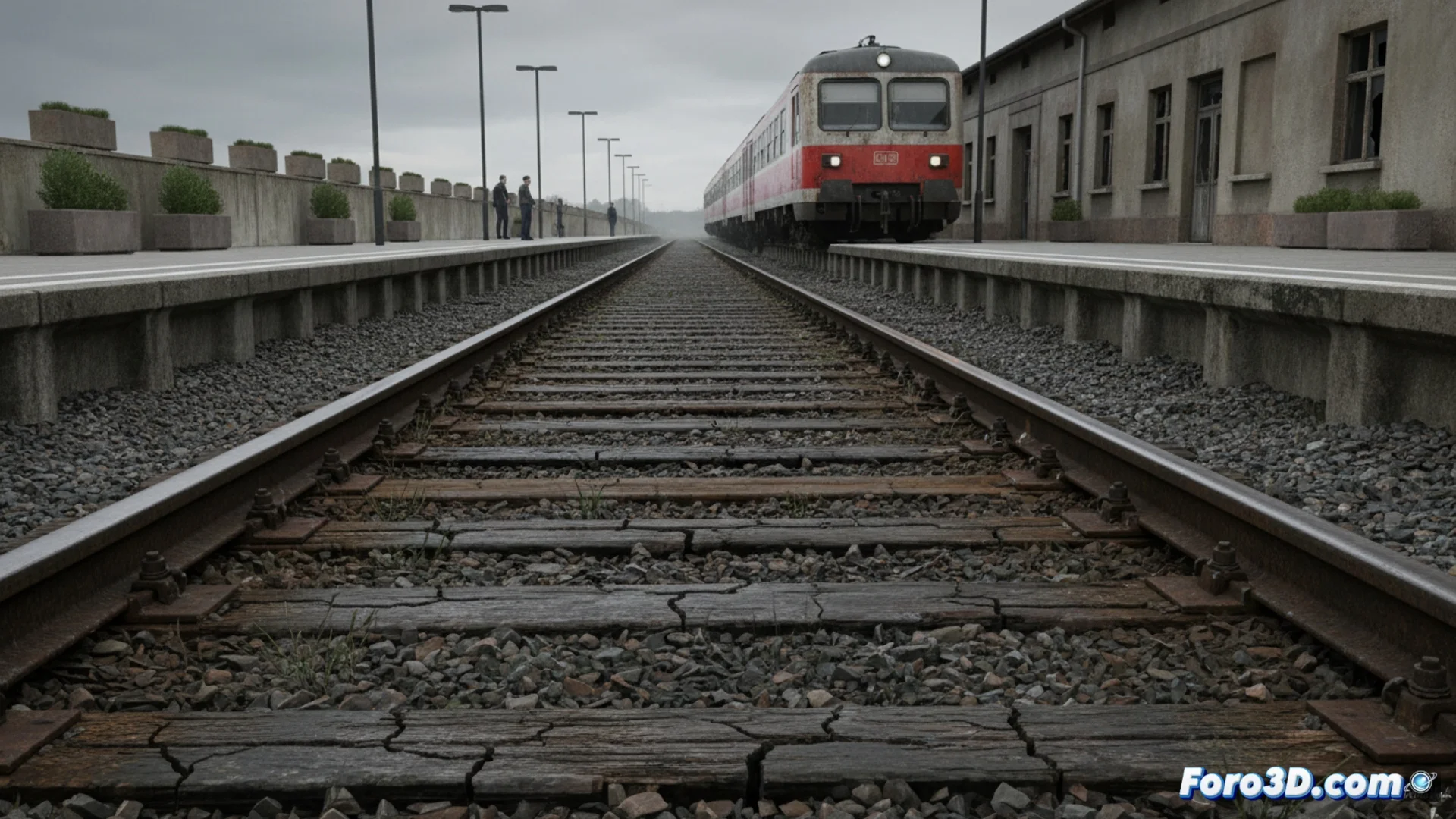
Germany Cuts Funds to Update Its Train Network
German authorities have decided to significantly reduce the budget allocated to renewing the national railway network. This action directly impacts Deutsche Bahn, the public train company, and stems from an agreement to adjust finances following a crisis in the state's accounts. 🚄
Key Investments Postponed
The current financing plan envisaged allocating billions of euros over the next ten years. The new budget cut eliminates a substantial portion of that money. As a result, numerous projects to repair tracks, upgrade bridges, and improve signaling systems will not follow the planned schedule. Experts warn that delaying these works will worsen existing problems with punctuality and trust in the service.
Direct Impact of the Measure:- Projects to renew aging railway infrastructure are halted.
- Problems with delays and reliability could intensify.
- The long-term financing strategy is compromised.
Disinvesting in railways goes against transferring traffic from roads to trains, a key climate objective.
Concerns from the Operator and Passengers
Deutsche Bahn has expressed concern about how this cut will affect service quality in the future. Both unions and user associations have criticized the decision. They argue that not investing sufficiently in the railway sector contradicts Germany's climate protection goals, which aim to shift more transport from roads to trains.
Reactions and Debate Generated:- Criticism for the long-term impact on operations and service quality.
- Pointing out the contradiction with sustainable mobility plans.
- The debate highlights the conflict between balancing public accounts and maintaining essential infrastructure.
A Future with More Uncertainty
This situation leaves passengers with a clear outlook: delays, now driven by both policy and daily operations, seem guaranteed for the coming years. The tension between fiscal consolidation and the need to improve critical infrastructure defines the present and immediate future of railways in Germany. 🔧