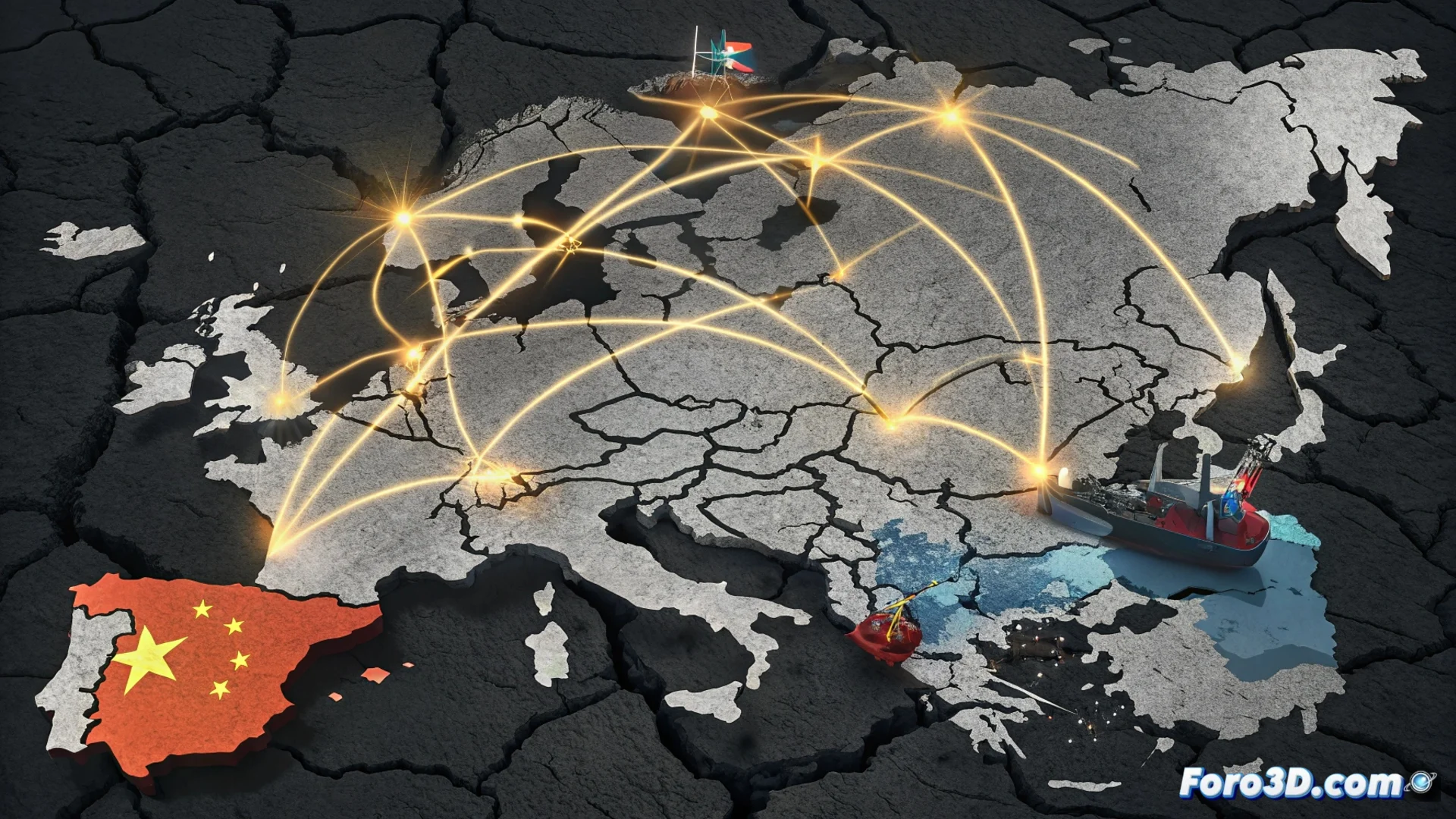
Geopolitical Conflicts Strain the European Economy
The economic environment in Europe is subjected to strong external pressures. Disputes in nearby regions compromise the flow of goods and sow doubts in financial markets. This state of fragility creates space for other global actors to increase their weight on the continent. 🧩
Supply Chains Reveal Their Cracks
Interruptions in maritime and land routes, combined with the increase in transport costs, hit the industrial sector head-on. Companies that need components from conflict areas suffer delays and higher prices. This disruption not only slows down production pace but also fuels the consumer price index. Seeking different suppliers or redesigning value chains becomes an immediate priority, an intricate and expensive path that is not resolved quickly.
Direct Impacts on Industry:- Blockades in trade corridors that raise logistics costs.
- Delays in the arrival of essential raw materials for manufacturing.
- Price increases that fuel internal inflation in countries.
The irony lies in the fact that Europe, which seeks strategic autonomy, may end up depending more on those it considers systemic rivals.
Russia and China Adapt Their Trade Approach
Taking advantage of these cracks, Russia could strengthen its role as an energy supplier for European nations that prioritize stability, even circumventing restrictive measures. At the same time, China has the capacity to expand its offer of manufactured products and infrastructure projects, establishing itself as an almost indispensable trading partner. 🏗️
Economic Influence Strategies:- Russia offers energy alternatives to meet urgent needs.
- China provides goods and infrastructure, positioning itself as a key partner.
- Both direct capital toward European assets in logistics, technology, or energy.
A Scenario of Critical Dependence
Europe's need for external resources transforms into a decisive factor. This context allows these powers to gain economic and political weight at a time when the European Union shows weakness. The goal of strategic autonomy clashes with the practical reality of keeping industries operational and ensuring basic supply, which could lead to a greater dependence on actors considered competitors. ⚖️