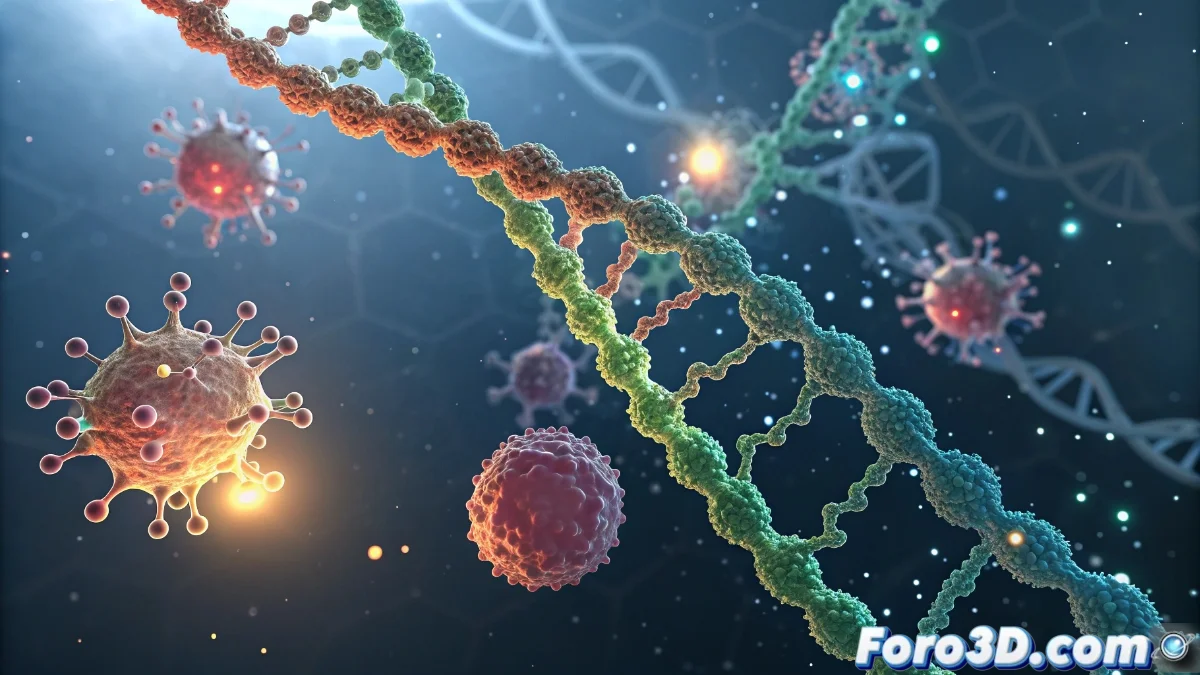
Genetically Modified Enzymes Revolutionize PET Plastic Recycling
Plastic pollution represents one of the greatest contemporary ecological challenges, but synthetic biology is offering extraordinary solutions. Scientists have created optimized enzymes through genetic engineering that degrade polyethylene terephthalate (PET) in hours, a process that would naturally take hundreds of years 🌱
Molecular Mechanism of Accelerated Degradation
These specialized proteins, originated from microorganisms but perfected in the laboratory, identify and selectively break the chemical bonds of the plastic. By depolymerizing PET into its constituent monomers, they enable a complete recycling cycle where the basic components are reintegrated into new plastic products of equivalent quality to the original material.
Key Advantages of the Enzymatic Process:- 70% reduction in carbon emissions compared to virgin plastic production
- Elimination of oil dependency for manufacturing new packaging
- Ability to treat mixed and contaminated plastic waste
This technology transforms what was an environmental problem into a circular economic opportunity
Industrial Implementation and Future Prospects
Practical applications extend from conventional recycling centers to bioremediation systems in landfills. Various companies are developing industrial-scale bioreactors capable of processing several tons of plastic waste daily, while researchers work to optimize efficiency and reduce operating costs.
Ongoing Development Areas:- Adaptation of enzymes for other complex polymers like polypropylene
- Improvement of thermal stability for operation in industrial conditions
- Integration with automatic waste sorting systems
Hopeful Horizon for Waste Management
These biotechnological advances represent a paradigm shift in our approach to plastic pollution. The combination of natural solutions with scientific innovation could allow us to remedy the environmental impact accumulated over decades of unsustainable consumption, leading us toward a future with a truly circular economy ♻️