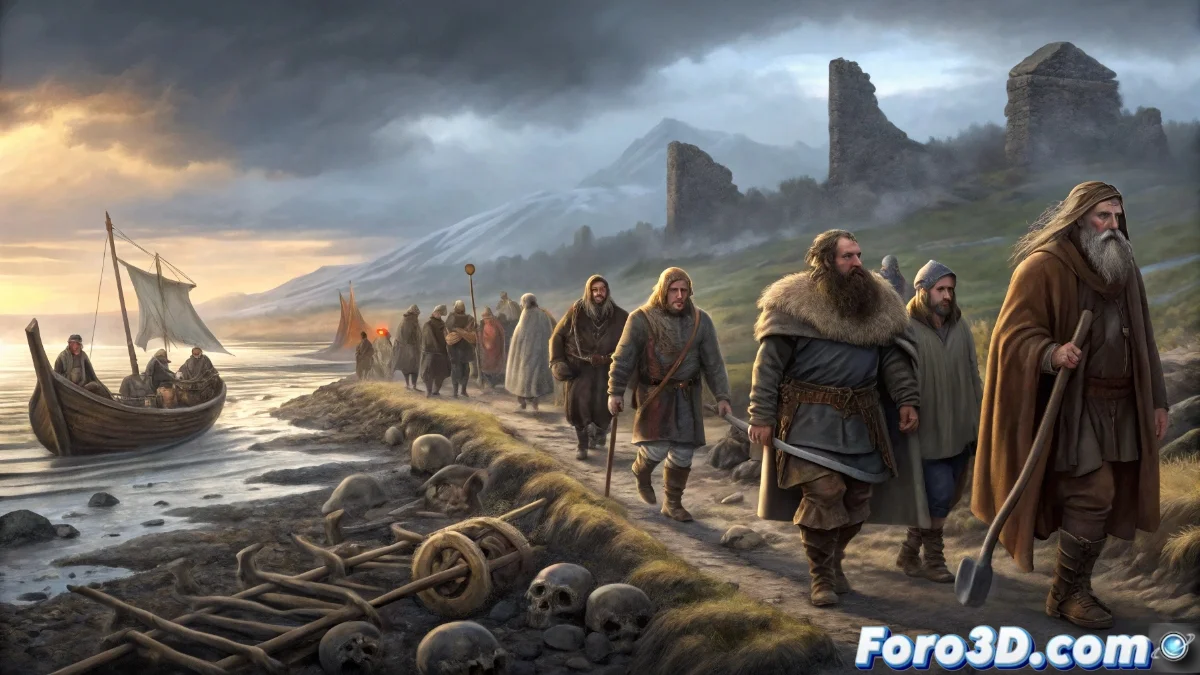
Genetic Revolution in the History of Icelandic Settlement
Genomic studies applied to human remains from Icelandic archaeological sites are radically transforming our understanding of the first settlers of this Atlantic island. 🧬
Innovative Methodology in Archaeological Genetics
Researchers have implemented pioneering techniques of massive sequencing to analyze extremely degraded genetic material from various archaeological sites distributed throughout Iceland. This revolutionary approach combines specialized extraction protocols with advanced ancient DNA amplification systems.
Key aspects of the genetic research:- Recovery of highly degraded genetic material using specialized techniques
- Comparative analysis with global genetic databases to determine ancestry patterns
- Precise identification of migratory routes through specific genetic markers
Genetic evidence demonstrates that the first inhabitants arrived earlier than documented, challenging the traditional chronology of Viking colonization.
Repercussions on the Historical Narrative
These transformative findings force a rewrite of the initial chapters of Icelandic history, revealing that the formation of its primitive society involved much more complex and diverse processes than recorded in medieval sagas.
Identified cultural implications:- Presence of diverse genetic components indicating multiple waves of migration
- Early cultural contacts with populations from the British Isles and Scandinavia
- Possible interactions with other Atlantic regions before the documented Viking settlement
New Research Horizons
This new scientific evidence fundamentally questions the traditional view of an exclusively Nordic colonization and establishes new paradigms for studying cultural dynamics in the North Atlantic during periods prior to Viking expansion. 🌍