Genetic Mutations that Made Human Bipedalism Possible
The ability to walk upright represents one of the most significant milestones in our evolution as a species. Recent genetic research has revealed how regulatory modifications in existing structures transformed our pelvic anatomy to make this distinctive feature possible 🦴.
The Two Key Mutations in the Pelvis
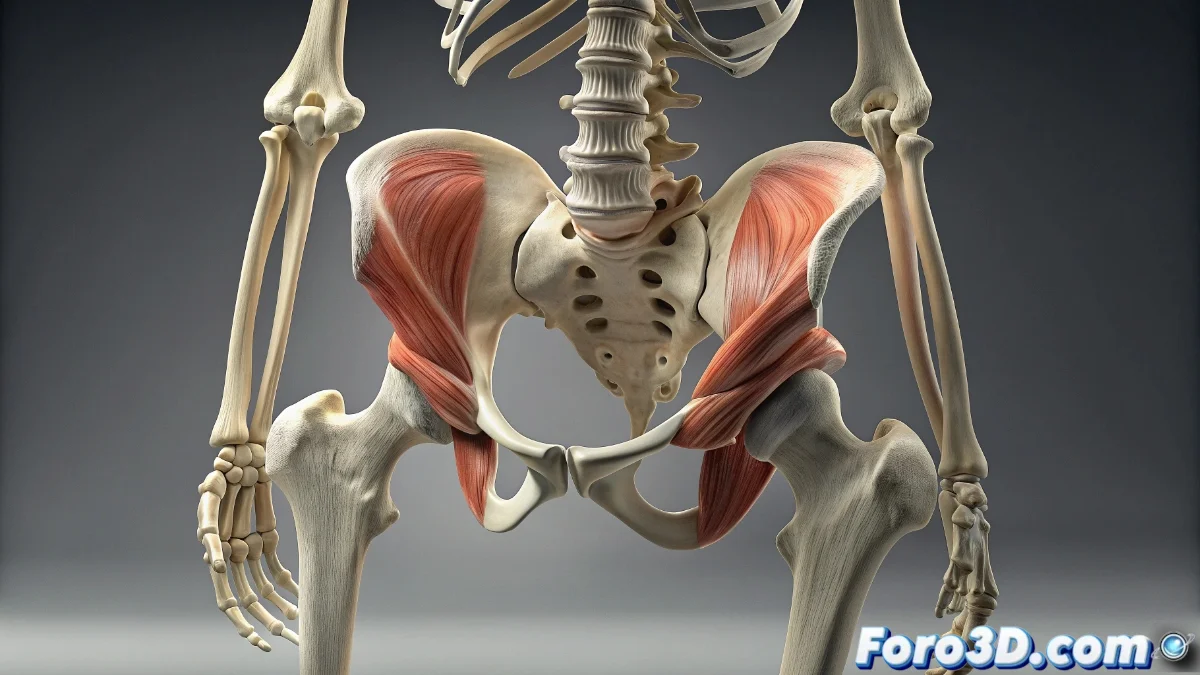
Scientists have discovered that two small genetic alterations were crucial for adapting the human pelvis to permanent bipedalism. The first mutation produced a specific rotation of the ilium that modified muscle insertion points, significantly improving the balance necessary for bipedal gait. The second alteration delayed the ossification process of the ilium, allowing the pelvic structure to adopt that wide bowl shape so characteristic of our species.
Characteristics of the identified mutations:- Ilium rotation: Angular change that reorients the pelvis and optimizes biomechanics for upright walking
- Delayed ossification: Prolongation of bone development that allows shaping a wider and more stable pelvic structure
- Genetic regulation: Modifications in control mechanisms that activate existing genes during embryonic development
These findings demonstrate that human evolution did not require creating new genes, but rather finely tuning the regulators of already existing genes to fundamentally transform our anatomy.
Functional and Medical Consequences
These pelvic adaptations not only made walking upright possible, but also had important repercussions on our biology. The bowl-shaped configuration allowed for a wider birth canal, facilitating the birth of offspring with more developed brains. However, this same adapted structure generates different biomechanical stresses that could explain the higher incidence of hip osteoarthritis in humans compared to other primates.
Impacts on human health:- Obstetric advantage: Enlarged pelvis that allows births of neonates with greater brain development
- Joint risk: Greater predisposition to hip problems due to the biomechanical stresses of bipedalism
- Evolutionary compensation: Balance between reproductive advantages and costs to joint health
Evolutionary Perspectives and Future Research
These discoveries underscore how human evolution often operates through precise regulatory adjustments rather than radical genetic innovations. The study of these subtle modifications offers a fascinating window into understanding how small genetic changes can produce profound anatomical transformations. As we walk proudly upright, our evolved pelvis supports us, though it occasionally reminds us with joint discomfort that every adaptation comes with its evolutionary trade-offs 🚶♂️.