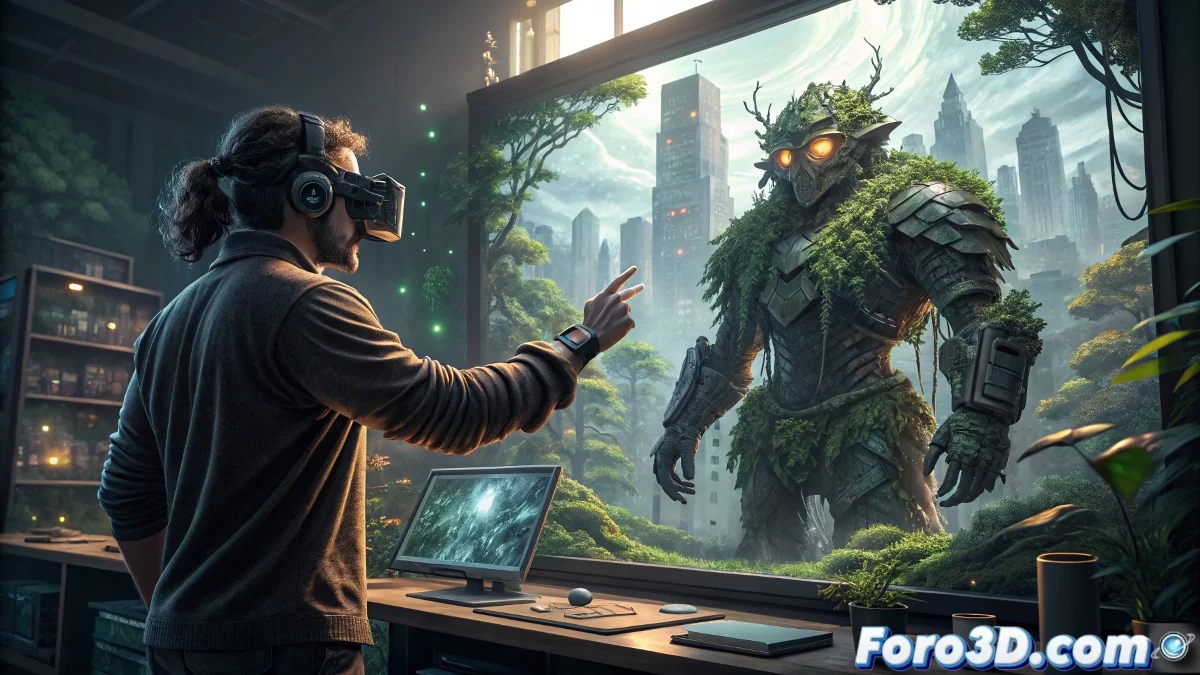
When Machines Learn to Sculpt Digitally
The video game industry is undergoing a silent but profound transformation with the incorporation of generative artificial intelligence in the creation of three-dimensional models. What previously required weeks of meticulous work by specialized artists can now be generated in minutes using algorithms trained on millions of existing assets. This revolution does not seek to replace artists, but to enhance their creativity by eliminating the most repetitive tasks in the process.
These generative AI tools work through neural networks that have learned the fundamental principles of 3D modeling, texturing, and the anatomy of objects and characters. Developers can input simple textual descriptions or basic sketches to receive fully textured and optimized models for game engines. The technology has advanced to the point of understanding complex concepts like medieval shield with dragons and embedded gems or cargo spaceship with wear marks.
Practical Applications in Current Development
- Procedural generation of vegetation and environmental elements
- Rapid creation of enemy variants and secondary characters
- Automation of the UV mapping and texture baking process
- Mass production of props and decorative objects for scenes
The New Hybrid Workflow
The most innovative studios have adopted an approach where AI generates the base of the models and human artists handle refinement and art direction. This hybrid method leverages the machine's speed and the artist's judgment, resulting in more efficient production without sacrificing quality. The tool becomes a creative assistant rather than a replacement, enabling rapid iterations that were previously impossible due to time constraints.
AI doesn't create art, it creates opportunities for artists to create better art
The most advanced algorithms can learn a studio's specific visual style and generate content that maintains aesthetic coherence with the rest of the game. This capability is invaluable for established franchises that need to expand their worlds while maintaining visual identity. Art directors can train custom models with previous project assets, ensuring that every generation aligns with their creative vision.
Tools Leading the Transformation
- Texture generators based on material descriptions
- Image-to-3D conversion systems from 2D images to complete 3D models
- Automatic geometry optimization platforms for different platforms
- Variation engines that create object families from a base design
While some see this technology as a threat to jobs, the most visionary industry considers it an opportunity to raise the creative bar. Artists can dedicate more time to designing main characters and key scenes, while AI handles the mass production of secondary content. The result is more ambitious games in scale and detail, with teams that can focus on what really matters: the player experience.
Those who feared that 3D artists would be replaced by machines probably didn't count on the machines needing artists to tell them what to do 🤖