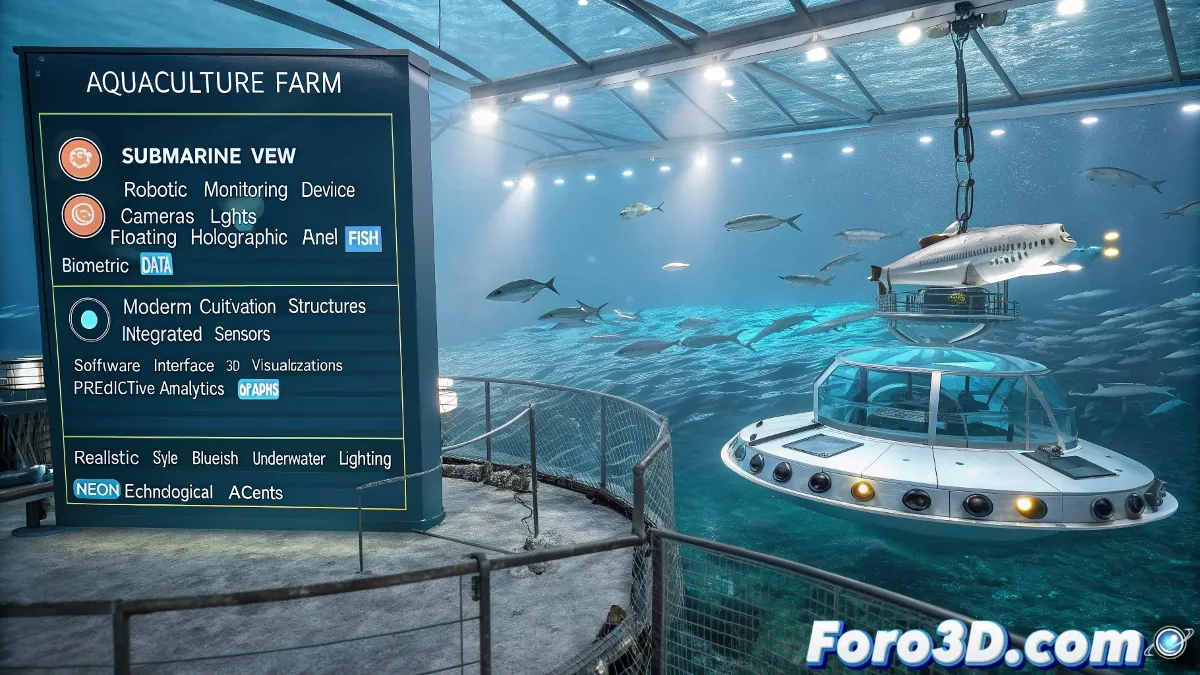
Digital Revolution in Aquaculture Production
The convergence of three-dimensional modeling and artificial intelligence is redefining the parameters of the fishing industry. In pioneering facilities in Norway, computerized systems analyze the development of cultivated marine species with unprecedented precision.
Underwater Volumetric Reconstruction
The core technology of this advancement allows converting underwater recordings into exact three-dimensional models. Specialized algorithms overcome the optical challenges of the aquatic medium to provide faithful representations that include:
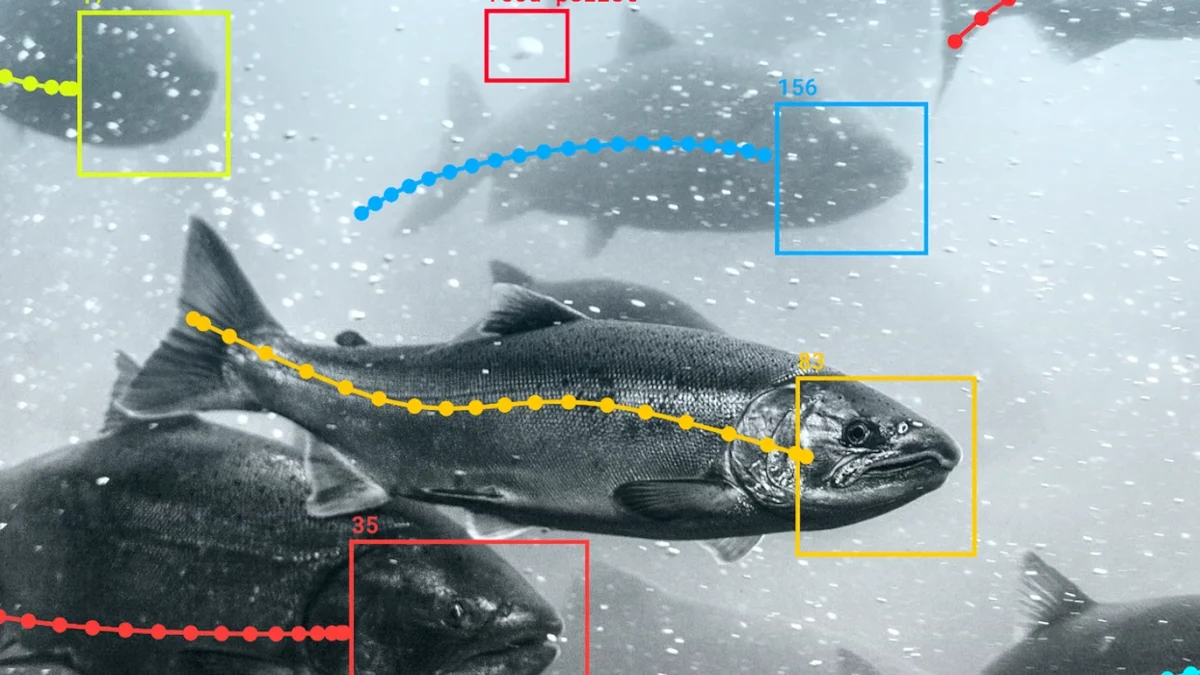
- Millimetric biometric measurements
- Analysis of epidermal textures
- Compensation for luminous distortions
- Individual tracking within schools

Predictive Analytics Platform
The generated models feed artificial intelligence systems capable of anticipating biological behaviors. This analytical capability provides aquaculturists with critical information on:
- Projected growth curves
- Early detection of pathologies
- Nutritional optimization
- Environmental stress indicators
"Digital simulation allows testing production scenarios without risk to real specimens"
Technological Interoperability
The solution integrates with professional tools through standard formats, facilitating its adoption in different production environments. This flexibility enables applications in:
- Aquaculture facility design
- Extended reality platforms
- Scientific visualization systems
- Operational management software
Future Perspectives
The potential applications of this technology extend beyond commercial aquaculture. Oceanographic research and marine conservation programs could benefit from these non-invasive analysis capabilities. The combination of 3D modeling and machine learning sets a new standard for interacting with aquatic ecosystems.
This development represents a paradigmatic case of how digital innovation can transform traditional industries, offering sustainable and efficient solutions for the food challenges of the future.