When a Teenager Finds History (and 3D Immortalizes It) 🌊
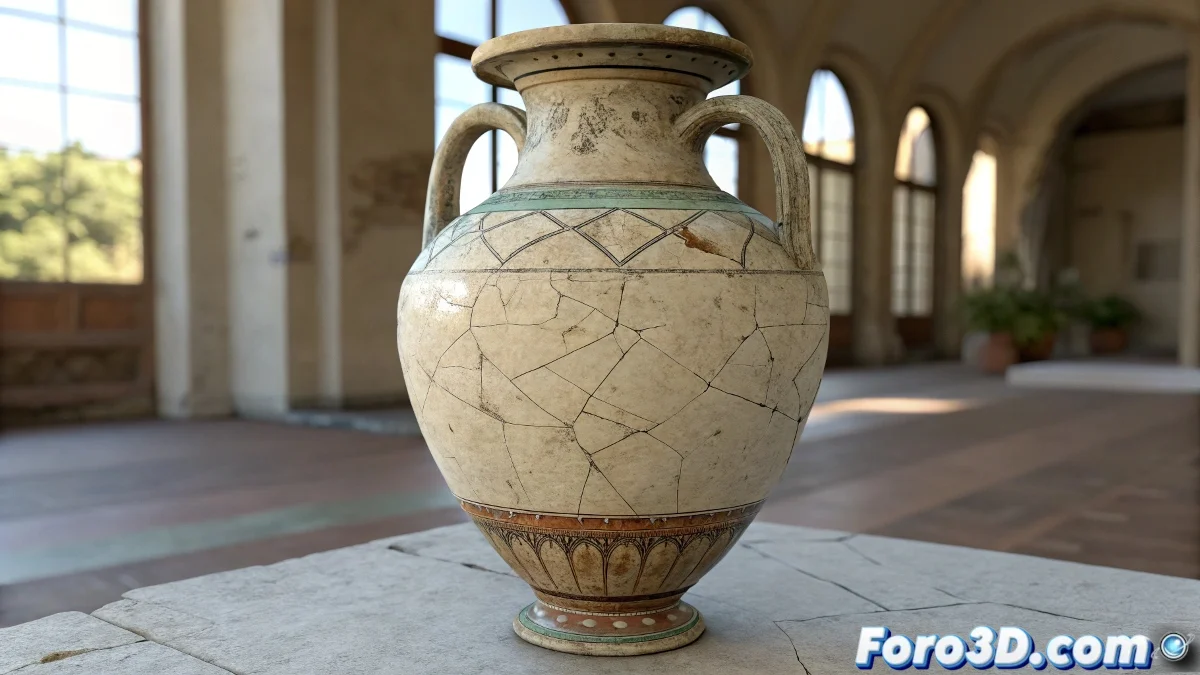
A 15-year-old diver literally stumbled upon a piece of history: a Roman amphora that had been waiting for 2000 years under the waters of Cádiz. Now, thanks to 3D technology, this archaeological piece is coming to digital life, proving that sometimes the best discoveries are made by those who can't even drive yet. �
What the sea preserved for centuries, photogrammetry captures in hours: every crack, every curve, and every story this amphora could tell.
Underwater Photogrammetry: Scanning Without Getting Your Feet Wet
The digitization process presents unique challenges:
- Waterproof cameras that capture hundreds of photos from every angle
- Special lights to counteract water distortion
- Software that compensates for current movement
The result? A 3D model so precise it even shows the fingerprints of the Roman potter. 👨🎨
Restoring the Past with Polygons
Digital artists face the challenge of:
- Filling in eroded areas using symmetry and historical references
- Recreating the original patina with PBR textures
- Simulating the weight of time through wear shaders
All this without physically touching the fragile piece - because breaking a 2000-year-old vase would be an even greater sin than breaking your mother-in-law's.
From the Lab to Your Screen
This digitized amphora can now:
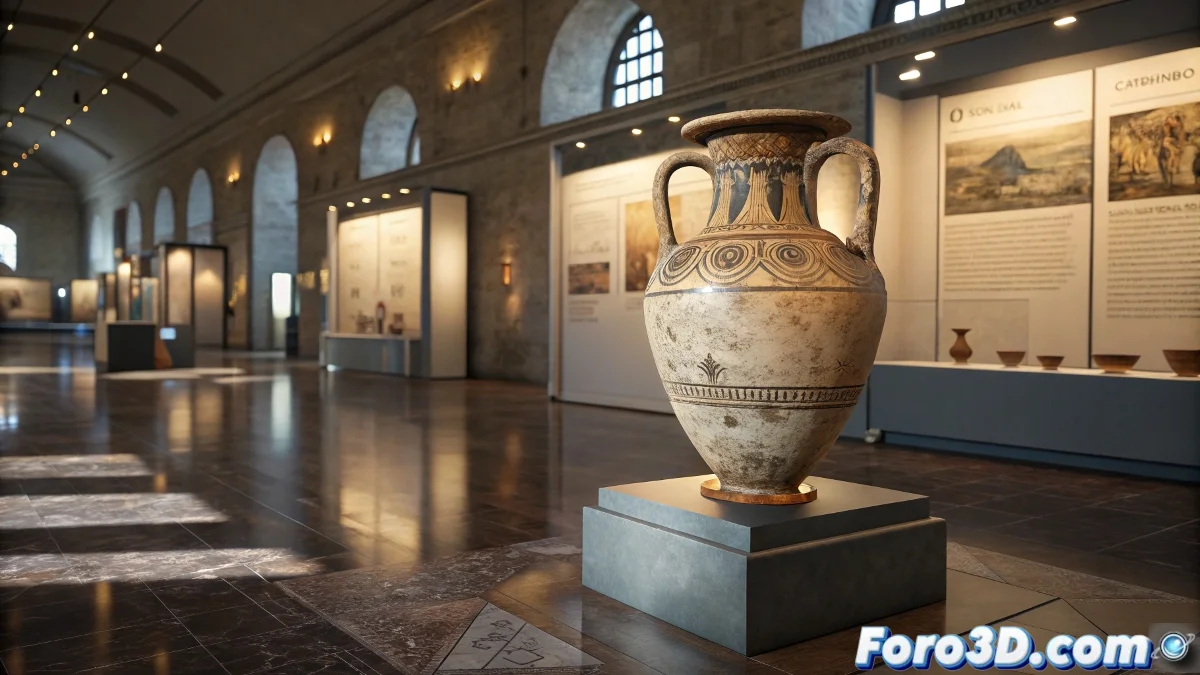
- Travel the world in virtual exhibitions
- Be studied by remote researchers
- Appear in your living room through augmented reality 📱
Imagine being able to rotate and examine this relic as if you were holding it in your hands... without the fear of dropping it.
A Message in a Digital Bottle
This project demonstrates how 3D technology is revolutionizing archaeology. When, in 2000 years, someone studies our era, perhaps they will find these digital files and think: "Wow, at least they knew how to preserve what was important." Although they probably won't understand why we saved so many memes. 🤳
Now, if anyone finds the wine this amphora originally contained, let us know... for historical research, of course.