When Statistics Take Off... So Do Your Renders
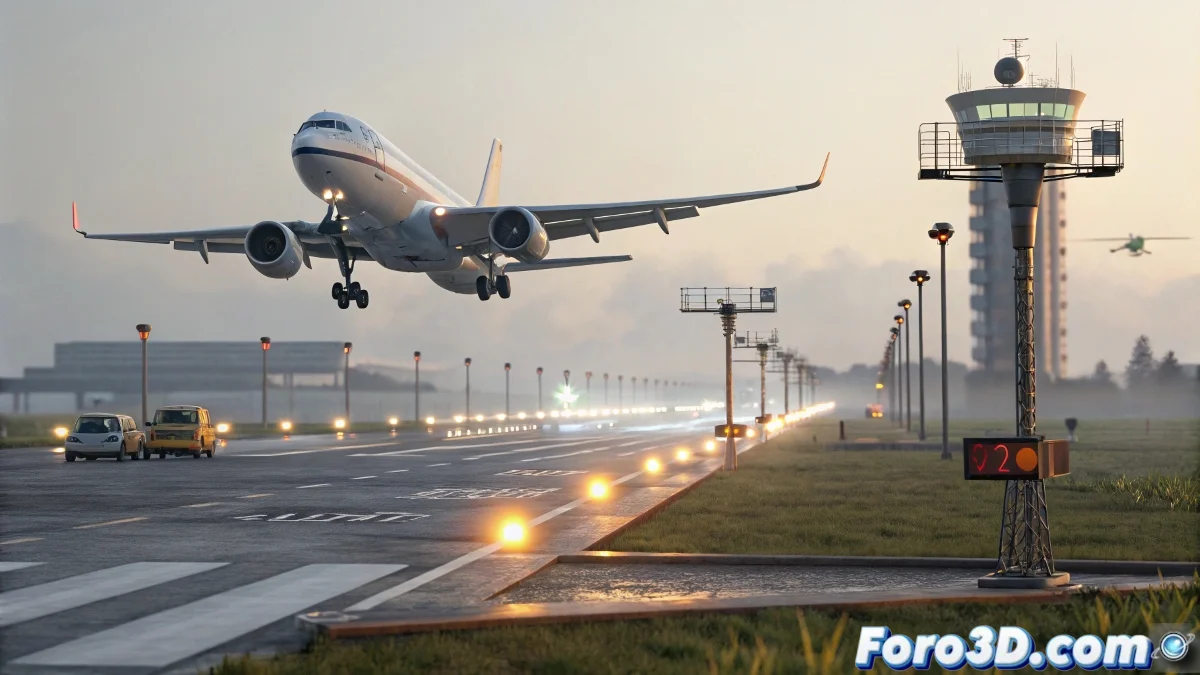
While Foronda breaks passenger records ✈️, we 3D artists find in this data the perfect excuse to animate airplanes... and justify our rendering hours. Because if aviation grows by 18%, our projects can grow by 180% in complexity.
Flight Kit for Animators
To turn boring numbers into epic animation:
- Strategic Rigging: Bones for flaps and landing gear that retract with more grace than a politician during elections
- Weight Physics: Graph editor adjusted so the plane doesn't float like a birthday balloon
- Camera Effects: Subtle vibration that says "turbulence" without reaching "guaranteed nausea"
A good animated takeoff should make you hear the roar of the engines... even if the render is on mute.
Details That Elevate Your Animation
The secret lies in:
- Runway lights that guide the plane... and the viewer's gaze
- Volumetric clouds that don't look like recycled cotton candy
- A control tower with lit windows (because someone has to work at those hours)
Bonus track: animate a scared bird flying in the opposite direction. For ecological realism... and comic relief.
The Paradox of the Aerial Animator
While the real plane takes off in seconds, your sequence takes hours to render. The irony: you can perfectly simulate flight physics... but not the client's patience waiting for the preview. 🛫
So go ahead: make those statistical figures literally fly. And remember: in the 3D world, the only jet lag that matters is the one from working late to finish the animation.