The visual effects (VFX) industry is at a moment of profound transformation. Recent Hollywood strikes have disrupted many productions, affecting content distribution and generating uncertainty in labor demand. However, this is not a crisis, but a necessary evolution to adapt to a constantly changing landscape.

Factors Driving Transformation
Changes in content distribution, driven by the rise of streaming, and the actors' and writers' strikes have slowed down productions. These factors, although challenging, are generating new opportunities for studios and artists.
The Impact of Artificial Intelligence
Artificial intelligence (AI) and machine learning are revolutionizing the tools and methods used in VFX. These technologies allow artists to explore new forms of creation while optimizing traditional workflows.
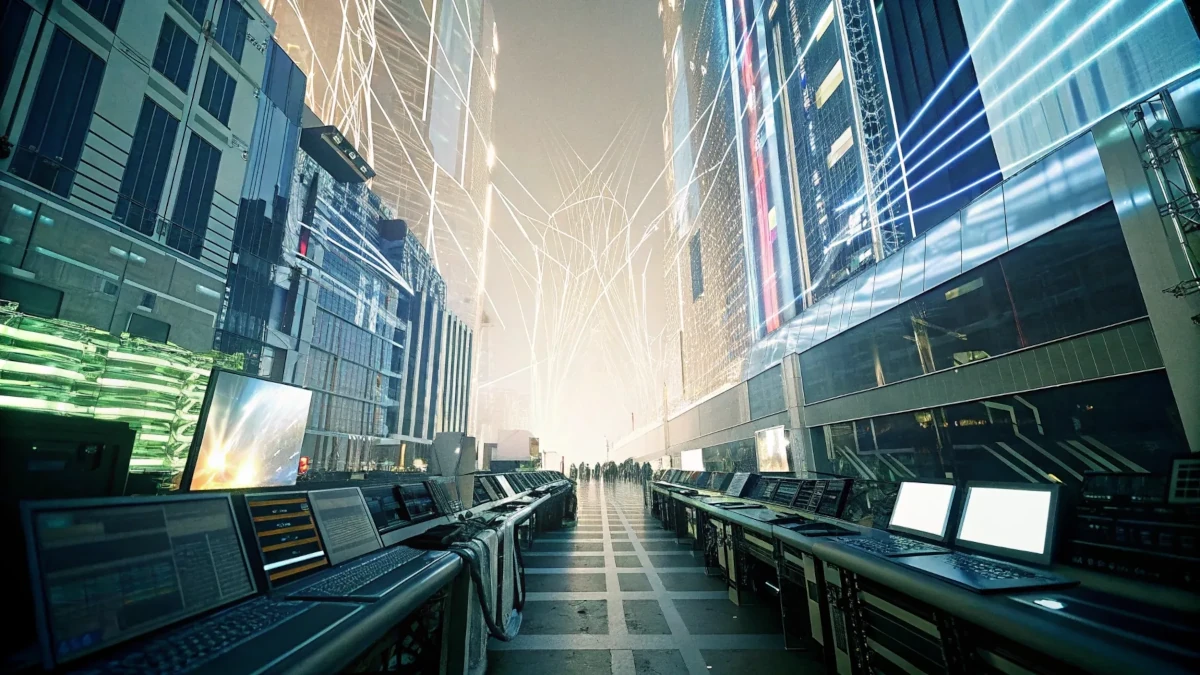
"AI does not replace creativity, but transforms how visual ideas are expressed."
Preparing for a Dynamic Future
Despite current challenges, VFX studios remain essential for creating high-quality visual content. It is expected that, with the resumption of productions, demand for professionals will grow again. Artists must adapt, mastering both emerging technologies and classic tools like Houdini and Nuke.
- Exploration of new fields like UI/UX design.
- Importance of training in AI-based technologies.
- Constant updating of traditional and emerging skills.
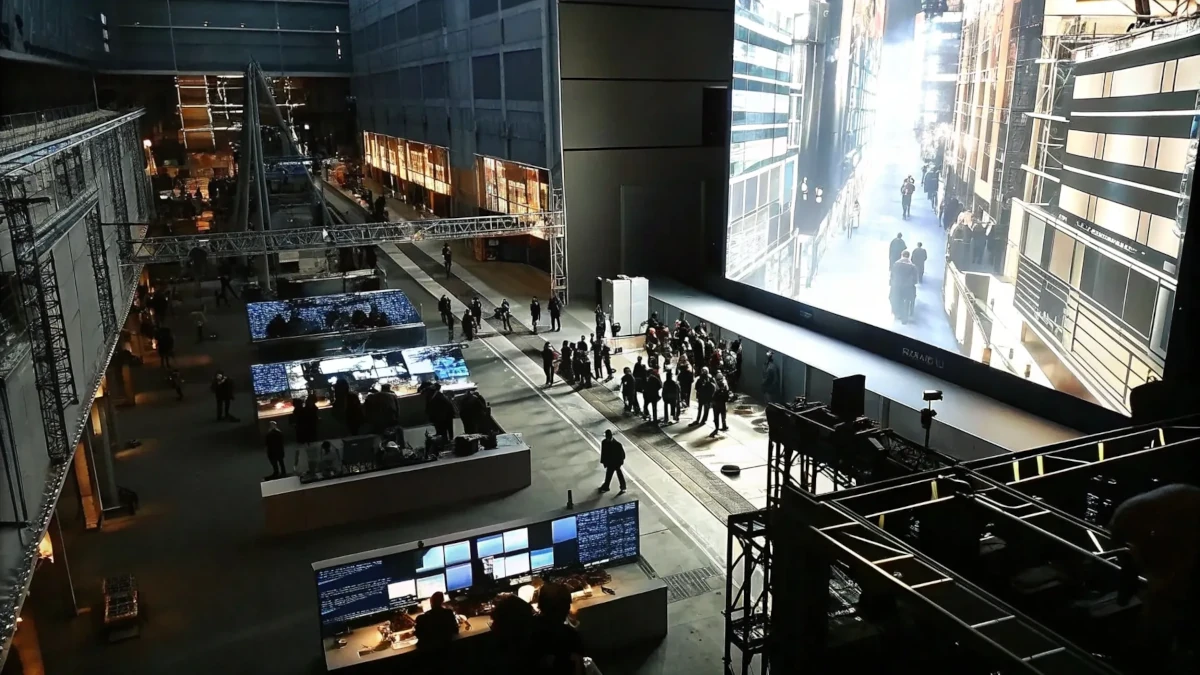
The Relevance of Visual Effects in the Future
The VFX industry remains a fundamental pillar in media creation. Although it is undergoing transformation, its relevance is not in question. Artists who continuously learn and leverage both experience and innovative technologies will thrive in this changing environment.