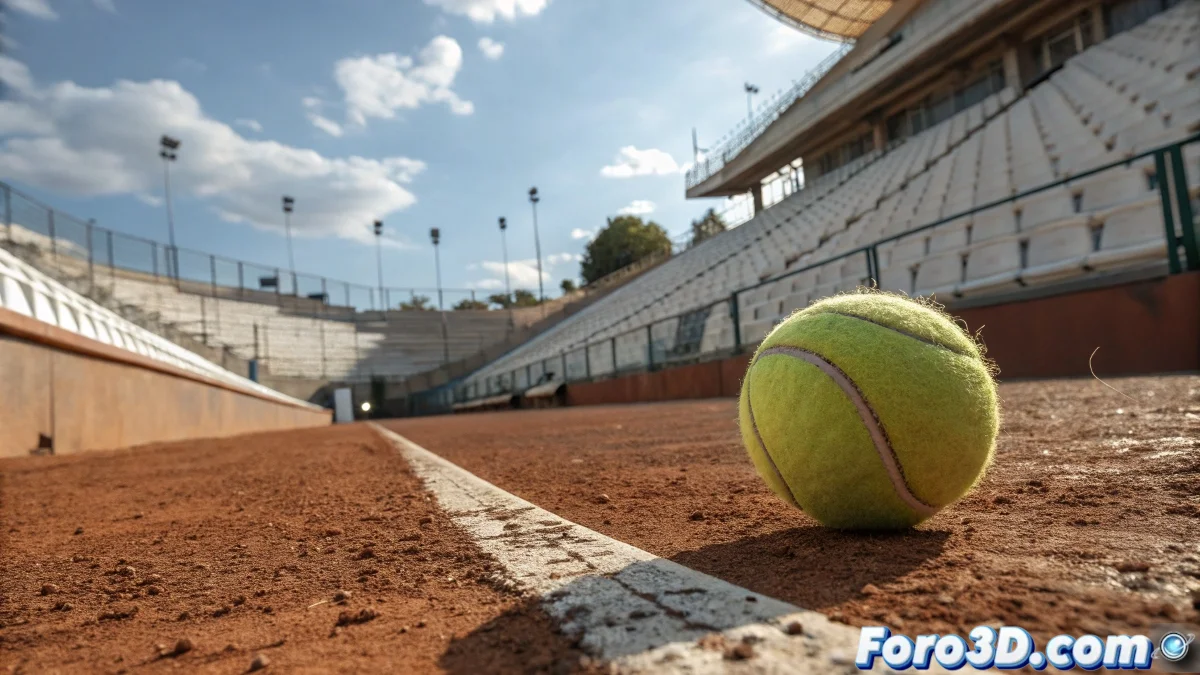
When Physics Meets Art 🎨⚛️
The bouncing ball exercise is the animated equivalent of musical scales: seemingly simple, but capable of revealing the true mastery of the artist. In professional studios, this foundation separates technicians from visual storytellers.
Anatomy of a Convincing Bounce
The elements that animation supervisors look for:
- Strategic Timing: Suspension frames that "breathe"
- Organic Spacing: Accelerations that fake gravity
- Expressive Deformation: Squash that screams "impact!"
Professional Techniques by Software
| Software | Advanced Technique | Key Advantage |
|---|---|---|
| Blender 4.x | Shape Keys with drivers | Deformation proportional to velocity |
| Toon Boom | Advanced Onion Skin | Millimetric control of spacing |
| Maya | Time Editor | Non-destructive timing adjustment |
From Simple to Complex
Professional evolution of the exercise:
"At Pixar, new animators must master 50 variations of the bounce before touching characters. It's the equivalent of shadowboxing before the real fight."
- Basic ball (pure timing)
- Ball with weight (lead vs. rubber)
- Angular objects (cubes, pyramids)
- Bounces with personality (cheerful, tired)
Mistakes That Give Away Beginners
Red flags in your animation:
- Perfectly mathematical arcs (too robotic)
- Deformations that do not conserve volume
- Linear spacing (constant acceleration)
Resources to Take Your Exercise to Professional Level
On foro3d you will find:
- Reference files from studios
- Breakdowns of classic scenes
- Monthly challenges with expert feedback
Remember: If your ball looks calculated by Newton, it probably needs more Disney. The magic is in the 12% of artistic inaccuracy. ✨