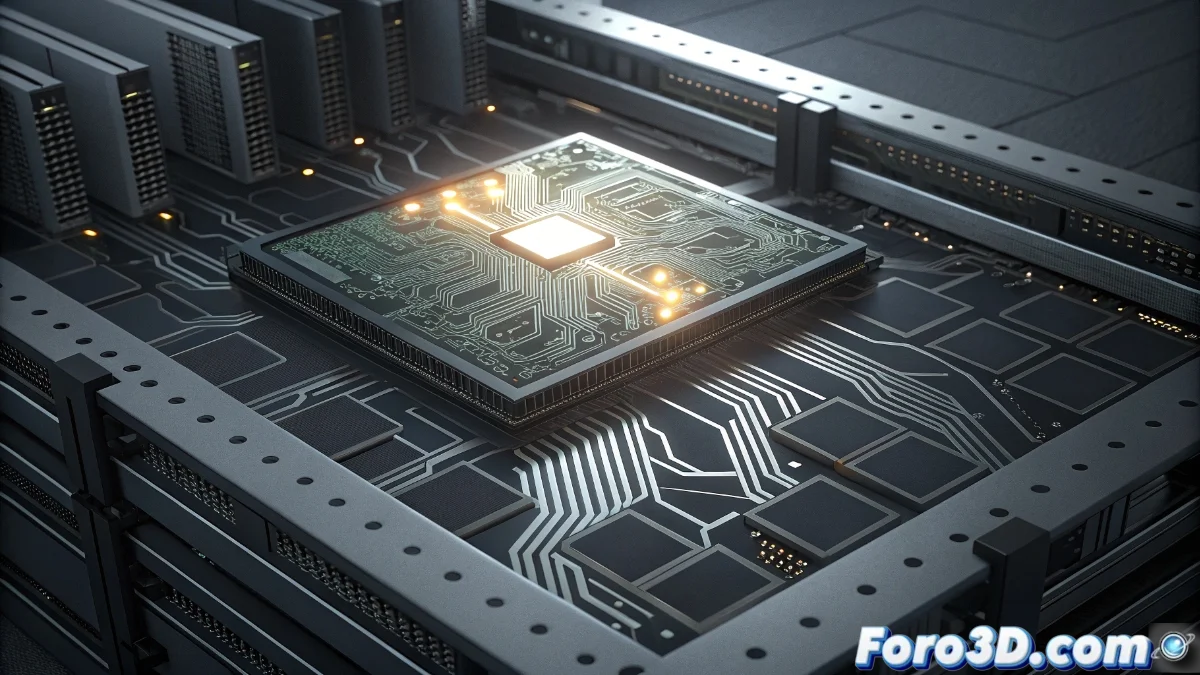
FPGAs in Accelerated Computing: Flexibility and Efficiency for AI
FPGAs (Field-Programmable Gate Arrays) are versatile devices that enable dynamic reconfiguration to adapt to specific workloads, excelling in artificial intelligence applications and parallel processing. 🚀
Key Advantages in AI Environments
The low latency and high energy efficiency make FPGAs ideal options for real-time systems. Their ability to reprogram the internal architecture avoids excessive resource consumption, optimizing performance in data centers and embedded devices.
Main Benefits:- Reduction in energy consumption compared to generic solutions
- Efficient processing of parallel workloads
- Adaptability to specific AI algorithms
The flexibility of FPGAs allows a unique balance between performance and efficiency, surpassing other technologies in specialized scenarios.
Development Tools and Frameworks
To maximize the potential of FPGAs, there are languages like VHDL and Verilog, along with high-level frameworks like Vitis AI that simplify the implementation of machine learning models without requiring advanced expertise in digital design.
Programming Options:- Hardware description languages for precise control
- Accessible frameworks that speed up development
- Automatic optimization for neural network inference
Challenges and Practical Considerations
Although FPGAs offer significant advantages, their learning curve can be steep, often compared to the complexity of assembling modular systems without clear instructions. However, modern tools are closing this gap, facilitating adoption in projects that require hardware customization without compromising productivity. 💡