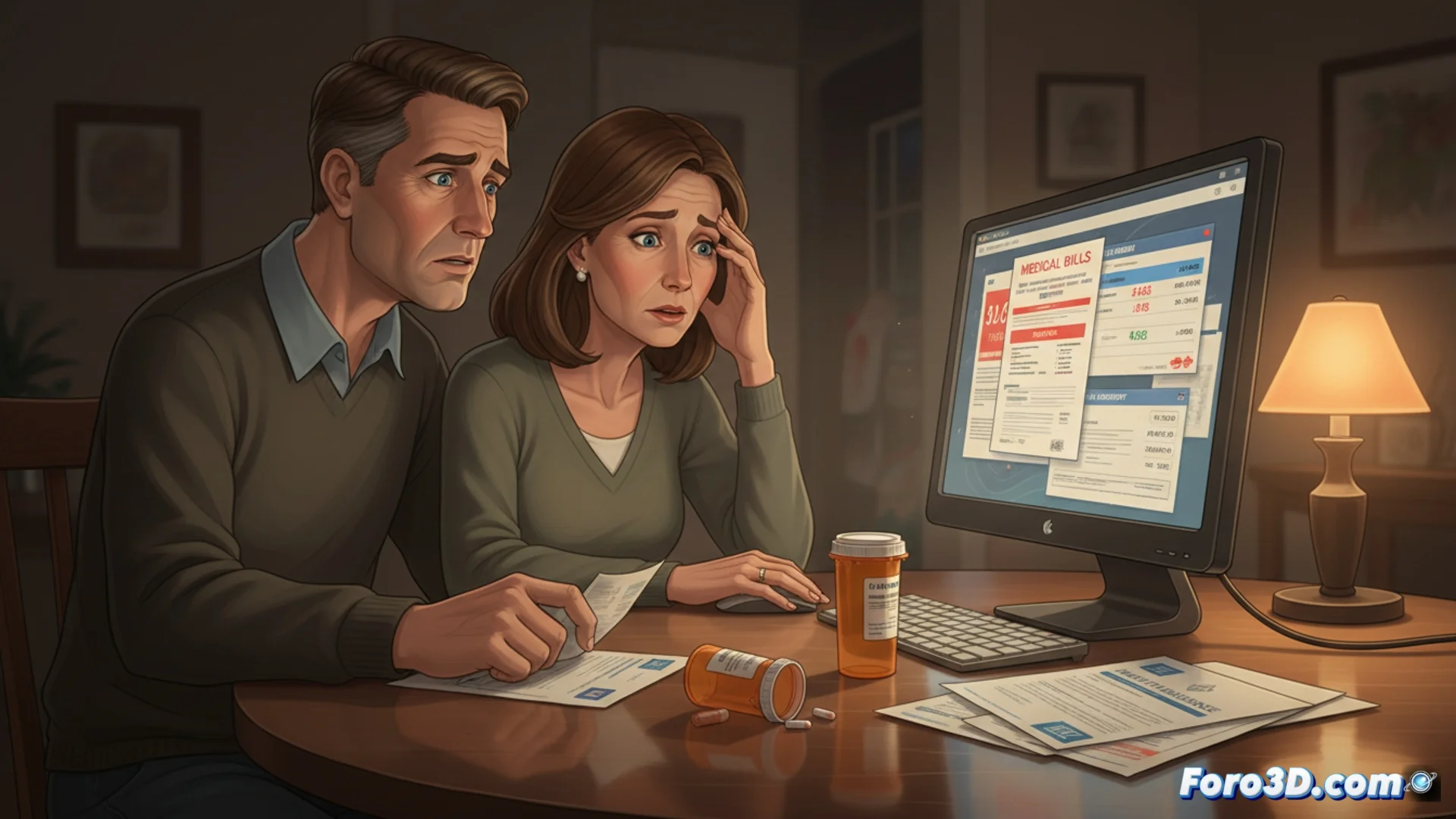
Four million Italian households face financial risk due to medical expenses
A recent study by ANSA agency indicates that private healthcare costs and copayments exert considerable pressure on the finances of millions of households in Italy. The data show that these family units allocate a significant portion of their economic resources to paying for therapies, drugs, and specialized consultations that the public service does not fully cover. This reality raises growing concern about how household economies can sustain ongoing medical care. 🏥
The impact of healthcare expenses on family economy
The report specifies that direct healthcare spending represents a high percentage for around four million families. Factors such as the increase in the average age of the population, waiting times in the public system, and the demand for innovative therapies justify this trend. Many people are forced to turn to private providers for faster diagnoses or interventions, which directly affects their ability to save and their standard of living.
Factors explaining this phenomenon:- Population aging increases the need for frequent medical care.
- Long waiting lists in the public healthcare system.
- The search for advanced therapies or faster diagnostic technologies.
To maintain their health, some families must compromise their economic stability, creating a cycle where the solution can be as burdensome as the health problem itself.
Repercussions and discussion on the healthcare model
This financial strain can lead households to cut back on other essential expenditures or, in extreme situations, to forgo some treatments. The analysis reopens the conversation about the effectiveness of the national healthcare system and the urgency to reevaluate coverage schemes. Experts emphasize the importance of balancing the viability of the public system with real protection for people, especially the most vulnerable groups.
Possible consequences of this economic pressure:- Reducing spending on basic needs such as food or housing.
- Postponing or abandoning medical care considered non-urgent.
- Increasing family debt to cover treatments.
A necessary balance for the future
The final paradox is evident: seeking physical well-being can endanger a family's economic well-being. This scenario demands deep reflection on how to structure a system that protects citizens without this imposing an unsustainable burden on their personal finances. The debate is on the table for public policies. ⚖️